Last updated November 22, 2026
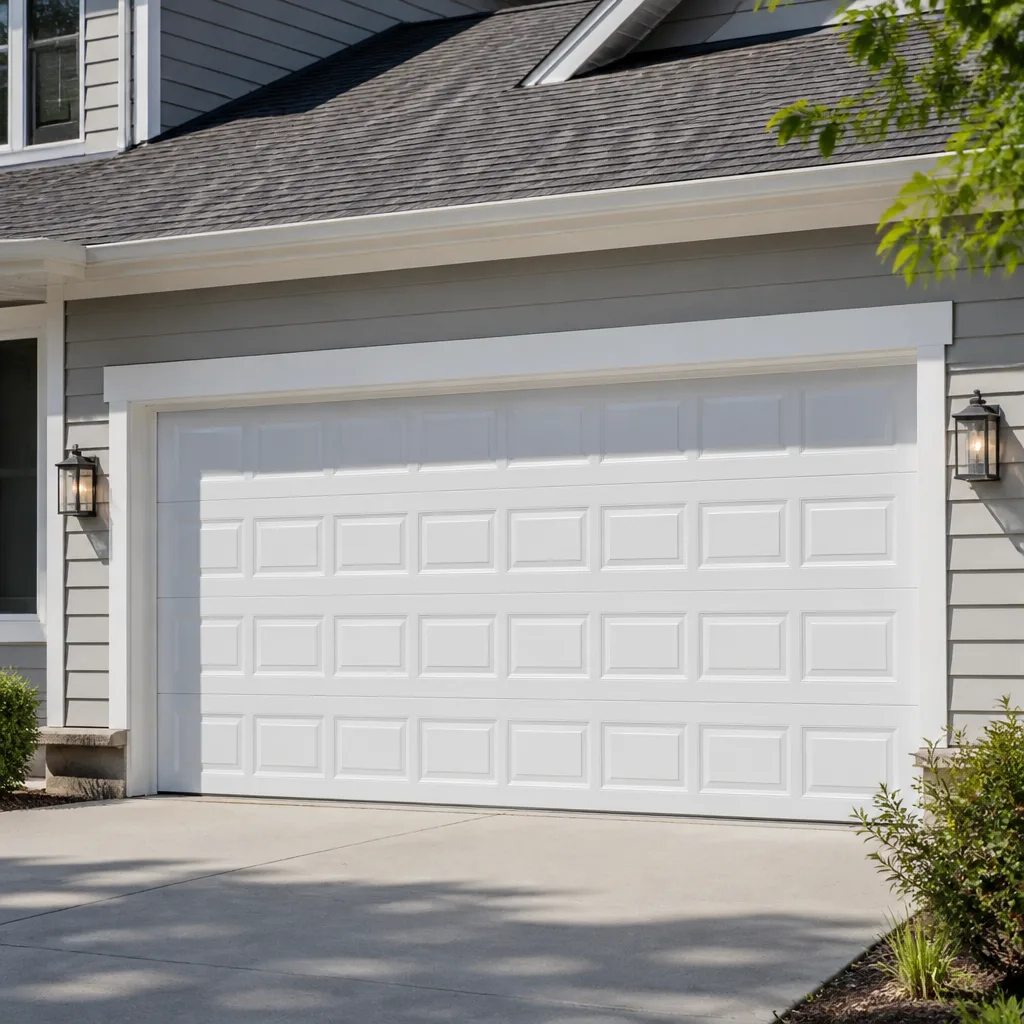 Raised-panel steel
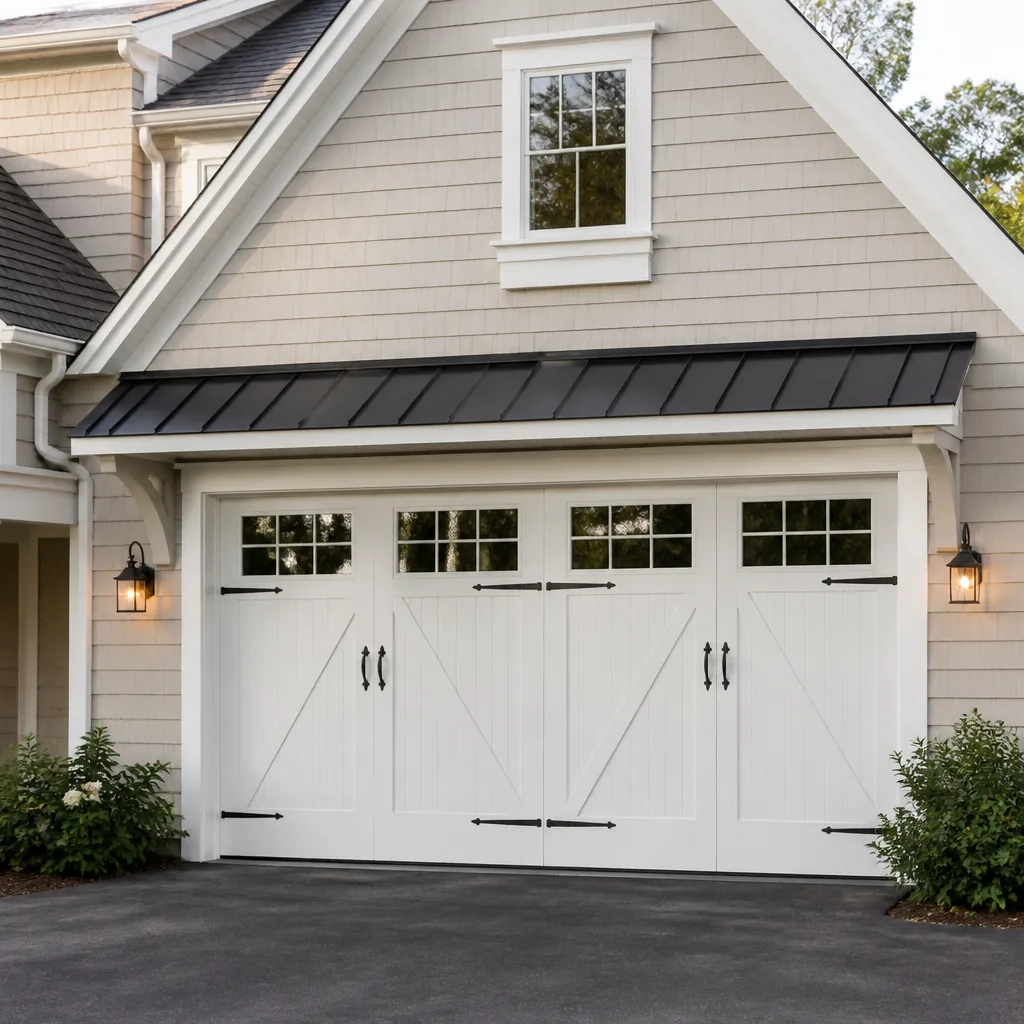 Carriage house
 Modern flush
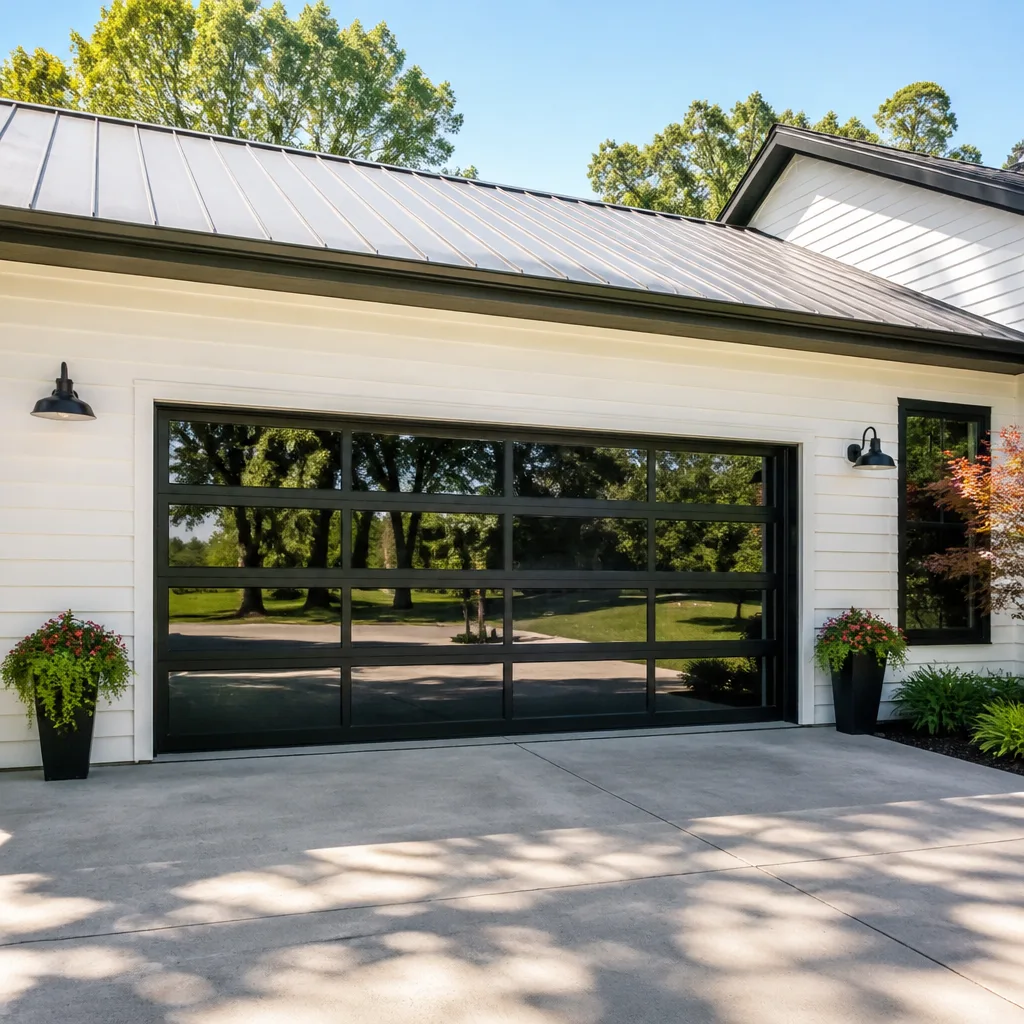 Full-view glass
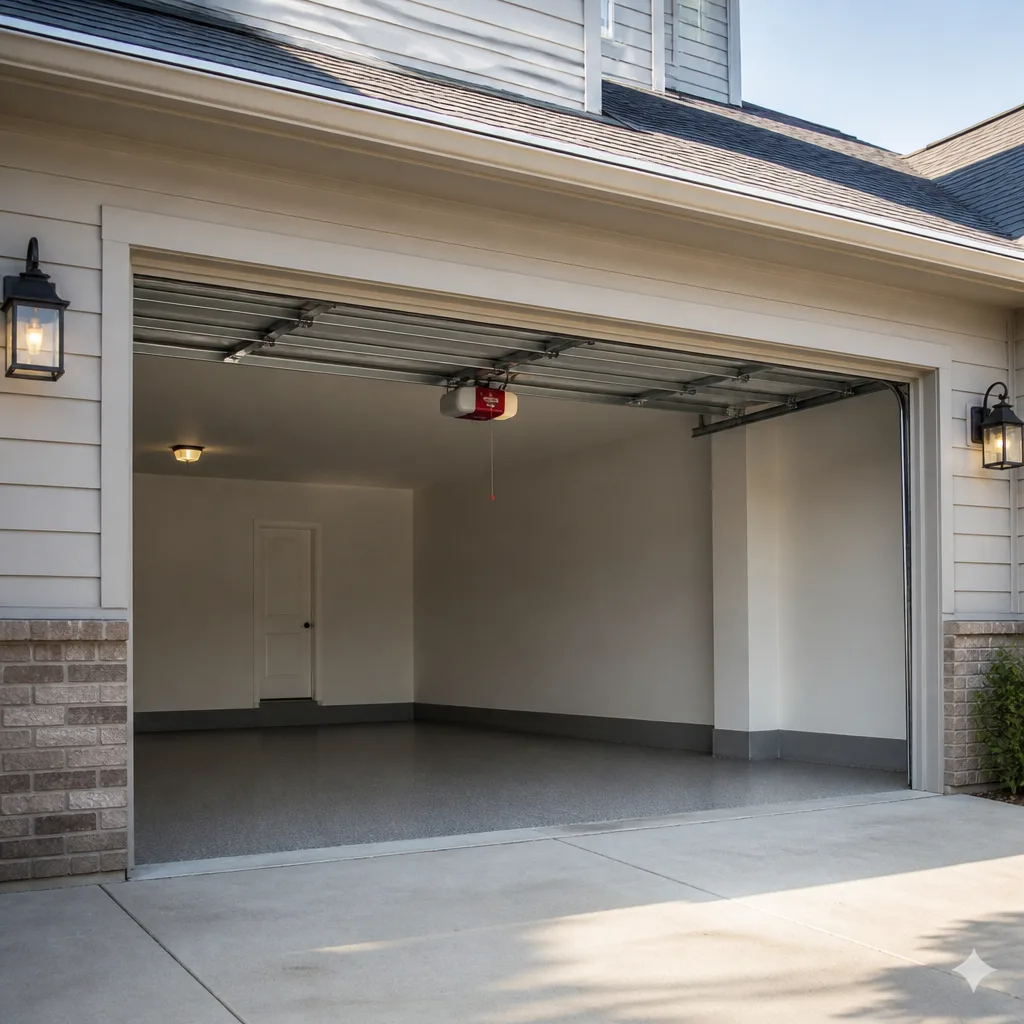 LiftMaster openers
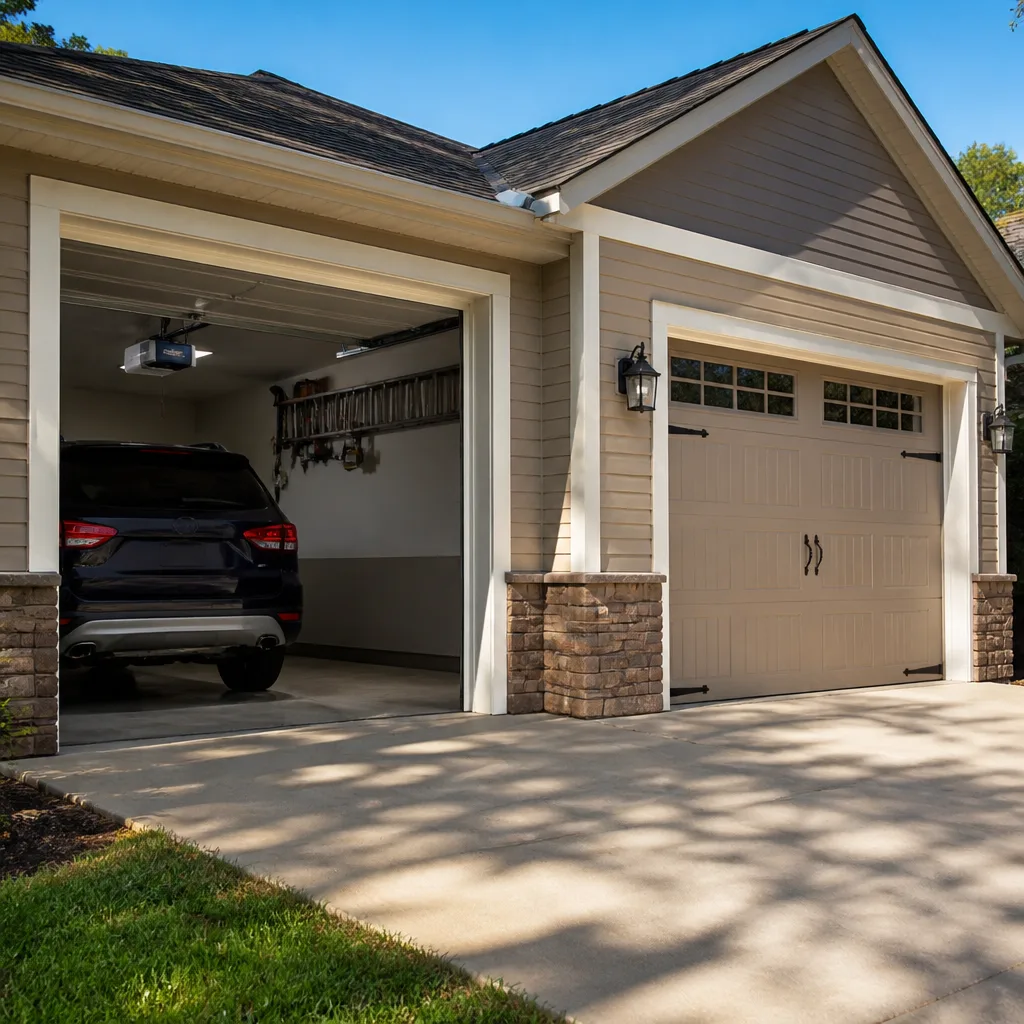 Chamberlain openers
Full 25-point door and opener safety check with every visit - springs, cables, rollers, tracks, and your LiftMaster or Chamberlain opener included
You get a price before we start. It does not change when the pro arrives.
Get your free estimateGarage Door Permits, Codes & Inspections in Centennial, CO: What You Need to Know
Here’s the part that catches most homeowners off guard: replacing a single damaged panel usually needs no permit at all, while a full door replacement can trigger one. Same house, same opening, two very different paper trails. Contractors quote these jobs every week, and some are still working from code language that predates Colorado’s current residential code adoption. The gap between those two realities is where violations get created. In this guide we’ll walk through exactly when Centennial requires a permit for garage door work, what the current wind and insulation requirements mean for product selection, how inspections actually work, and why confusing an HOA approval with a municipal permit is the single biggest source of delay on Centennial jobs.
Quick Answer
In Centennial, replacing a garage door of the same size and opening in a like-for-like manner generally doesn’t require a permit, but changing the door’s size, altering the opening, or doing a full replacement that modifies structural framing usually does. New installations must meet current International Residential Code (IRC) requirements for wind load and insulation, and the inspection verifies that the door, tracks, and hardware were installed to manufacturer specifications. To confirm your specific project, call your city’s building department before scheduling work.
Styles & brands we work with
- Raised-panel steel
- Carriage house
- Modern flush
- Full-view glass
- LiftMaster openers
- Chamberlain openers
Table of Contents
- When does Centennial require a permit for garage door work?
- Wind load and R-value: what Colorado’s IRC adoption means for your door
- What a code-compliant garage door installation inspection actually checks
- HOA approval vs. municipal permit: two separate processes
- How an unpermitted replacement surfaces at resale
- What remediation typically costs and involves
- How to vet a garage door contractor for code compliance in Centennial
- Annual safety inspections: the parts that matter most
When Does Centennial Require a Permit for Garage Door Work?
Centennial sits within Arapahoe County, and building permitting runs through the city’s own permitting process rather than a simple county handoff. The rule of thumb is that permits attach to structural change, not to a repair or a direct replacement of a door of matching dimensions. If the opening stays the same and you’re installing a door of the same size in the same location, most projects flow through without a permit. If you’re enlarging the opening, raising the header, adding a new opening to a wall, or replacing framing to accommodate a heavier door, expect a permit requirement.
Here are the specific triggers that catch people off guard:
- Resizing the opening. Going from a single-car to a double door, or adding height to fit a taller door, is a structural change.
- Header modifications. Any change to the structural header above the opening, including reinforcement for a heavier door, typically requires a permit.
- New construction of a garage opening. Converting a carport, adding a garage bay, or cutting a new door opening into an existing wall.
- Manufacturer specification changes. Some heavier doors or unusual track configurations require anchoring that a building inspector will want to see before the door is operational.
A straight replacement of a damaged door with an identical-size unit from the same manufacturer category is the scenario that almost never needs a permit. This is also the case where we most often see homeowners told they need a permit when they don’t. If a contractor tells you a same-size, same-location replacement needs a permit “just to be safe,” it’s worth confirming with the city before you spend the fees or the time.
Wind Load and R-Value: What Colorado’s IRC Adoption Means for New Door Installations
Colorado’s adoption of the current International Residential Code changed the way garage doors are specified. Two requirements matter most in Centennial. The first is wind load: the door, tracks, and anchoring must be rated for the design wind pressure at your location. The second is thermal performance, typically expressed as an R-value, which determines how well the door insulates the garage from the rest of the house.
Wind load is the one that trips people up. A door that was perfectly adequate under the code it was installed under may not meet current wind load ratings if it’s replaced with a lighter-weight door. That’s why a code-compliant installation in Centennial often means selecting a door with specific wind-load ratings for the region, along with reinforced tracks and heavier-gauge hardware to match.
What this means for product selection:
- Insulation matters more than it used to. A garage attached to a conditioned house loses heat through an uninsulated door. Rated insulation helps, and the R-value printed on the door’s spec sheet is what an inspector or appraiser will reference.
- Brand and model selection narrows. Not every door line sold nationally is rated for the wind zones that apply in the Centennial area. Working with brands like Raynor or Clopay gives you access to doors that are documented against current ratings.
- Hardware changes with the door. A door rated for a higher wind load needs heavier tracks and hinges, sometimes a different opener. Our technicians have up to 9 years of experience matching hardware to wind ratings, which is why brand-specific knowledge matters more than generic installation experience.
If you’re upgrading from an older door, plan on more than just the door panel cost. The tracks, hinges, and opener may all need replacing to stay within current code. For details on the installation process itself, see our guide to garage door installation.
What a Code-Compliant Garage Door Installation Inspection Actually Checks
Knowing what the inspector looks for before the appointment saves you time and rework. The inspection focuses on the parts of the installation that affect structural safety and life safety, not on cosmetic details. Here’s what typically gets checked:
- Anchoring and fastening. The inspector confirms that the door’s tracks and brackets are anchored into solid framing with the fasteners specified by the manufacturer, not into drywall or sheathing alone.
- Wind-load compliance. The door’s rating documentation is checked against the design wind pressure for the address.
- Balance and counterbalance. The door must open and close smoothly without binding, and the spring system must be properly sized for the door weight.
- Safety devices. The photo-eye sensors at the bottom of the tracks must be aligned, functioning, and mounted at the height specified by the code and manufacturer.
- Auto-reverse function. The mechanical auto-reverse must engage when the door meets an obstruction, and the opener must be listed and installed per the manufacturer’s instructions.
- Labels and documentation. The door’s model and rating plate, and the opener’s safety labels, must be visible and legible.
In our experience, the two items that fail most often are the anchoring and the safety devices. Anchoring fails when a door is installed over framing that isn’t solid enough, which is common on older garages in the Centennial area where the header has seen decades of settling. Photo-eye sensors fail because they’re bumped or misaligned after installation, sometimes when a door is closed on a car roof or a bicycle. Check that sensors line up before the inspector arrives, and confirm the mechanical auto-reverse engages with a piece of lumber laid flat under the door.
HOA Approval vs. Municipal Permit: Two Separate Processes, Two Separate Timelines
This is the delay that catches the most Centennial homeowners. An HOA architectural review committee and the city’s building department are entirely separate entities with separate timelines, and neither one accepts the other’s approval. An HOA reviews style, color, and visual uniformity. The city reviews structural, wind-load, and life-safety compliance. A project can pass one and fail the other.
The order that works best:
- Check your HOA’s architectural guidelines first. Many Centennial HOAs restrict door style, color, and window placement. Getting a style pre-approved by the HOA before you order a door avoids the worst-case scenario where a door is installed and then must be swapped out.
- Confirm with the city whether a permit is required. Call the building department, describe the project, and ask specifically whether your job falls into the permit-required category. Ask the same question twice if the answer is vague.
- Order the door only after both approvals are in hand. Doors are typically custom-ordered and lead times can run weeks. Ordering early and then hitting an HOA or permit snag means the door sits in the garage waiting for paperwork.
- Schedule the inspection after installation. The inspector must see the door fully installed and operational, not mid-installation.
Confusing the two is also where homeowners get told the wrong thing by a contractor. “The HOA approved it” is not the same as “the permit is pulled.” “The city doesn’t require a permit” also doesn’t override an HOA’s requirement that the door match the neighborhood. A door that clears one process can fail the other, and a door that clears both is the only kind you can install without risking a redo.
How an Unpermitted Garage Door Replacement Surfaces at Resale
A garage door replacement without a permit doesn’t usually cause problems while you live in the house. It surfaces at resale, and it surfaces in a way that can affect both the sale and the price. When a buyer’s inspector or a mortgage appraiser notes that a major improvement was done without a permit, the buyer’s lender may require documentation before closing. Some lenders ask for proof that all major structural work was permitted and inspected.
What tends to happen, in order:
- The buyer’s home inspector reports the door as a recent replacement. The inspector often notes the door brand, model, or installation date and recommends that the seller provide installation documentation.
- The lender’s appraisal flags missing permits. Depending on the lender, an unpermitted structural change can delay closing or require an escrow hold-back.
- The buyer asks for a credit or a reduction in price. Remediation costs get negotiated into the deal, and the buyer typically pushes for the higher end of the range.
- You remediate after closing, or you pay someone else to remediate before closing. Either way, the paperwork and cost become part of the deal, and often not on your terms.
The point is that a permit is cheap compared to the resale problem it prevents. In Centennial, the permit is the inexpensive half of the transaction. The resale problem is the expensive half.
What Remediation Typically Costs and Involves
Remediation for an unpermitted garage door replacement usually comes down to retroactive permitting. The city’s building department reviews the installation, which may involve an inspection, and issues a permit after the fact. If the door was installed to code, remediation can be relatively straightforward. If it wasn’t, remediation may require rework to bring the door up to current standards, which can mean replacing hardware, tracks, or the door itself.
Typical remediation costs, in our experience, break down roughly like this:
- Retroactive permit and inspection fees: these vary by project scope and jurisdiction, and are typically in the hundreds of dollars rather than the thousands.
- Inspection and documentation: a licensed inspection and a written report, typically a few hundred dollars.
- Rework if the door fails inspection: this is the expensive half. Anchoring corrections, hardware replacement, or track upgrades can run into the hundreds or more, depending on what the inspector requires.
- Full door replacement if the door doesn’t meet current code: the worst case, and the case that turns an unpermitted job into a genuine loss.
Specific fees and remediation ranges depend on the scope of your project, so a written estimate from a qualified contractor and a direct call to the Centennial building department will give you the most accurate numbers. What you can count on is that the cost of doing it right is lower than the cost of doing it twice.
How to Vet a Garage Door Contractor for Code Compliance in Centennial
Not every contractor who installs garage doors understands the current code. Some are still working under the older rules, and some are generalists who handle doors alongside roofing and siding. A specialist is a better bet when code compliance is on the line, and our approach is to work only on garage doors and openers. Here’s how to vet anyone you hire:
- Ask whether the project requires a permit and why. A contractor who can explain the reasoning is more likely to get it right than one who gives a yes-or-no without context.
- Ask whether the crew has handled jobs under the current IRC adoption. The rules changed, and a contractor who hasn’t worked under the new rules may quote a project incorrectly.
- Get the door’s wind-load and R-value documentation in writing. The spec sheet should match the design wind pressure for your location and the R-value you’re paying for.
- Confirm the work is quoted before it starts. The price is quoted and agreed before any work begins, and the written estimate sets the final price.
- Ask specifically about HOA approval. A contractor who knows the local HOA landscape can flag style restrictions before you order a door.
- Check the warranty terms on the door and the installation. Manufacturer warranties often require a professional installation to stay valid.
For repair work that doesn’t touch the opening, our garage door repair page covers the most common failures. For opener issues, garage door opener repair is the place to start. And if you’re not sure whether your job rises to the level of a permit, the safest call is the city’s building department, not a guess.
Annual Safety Inspections: The Parts That Matter Most
A permit-triggering installation is a rare event for most homes, but the components inside a garage door system wear every year. Annual safety inspections catch problems before they become emergency calls. The parts worth checking are the springs, the cables, the rollers, and the opener’s safety systems. Springs are the highest-stakes repair on any garage door: they’re under significant tension, and a failure can be dangerous. Never attempt spring or cable work yourself. Springs, torsion and extension alike, are a job for a trained professional.
The checks that protect you most:
- Photo-eye sensors: Test monthly by placing an object in the door’s path and confirming the door reverses. Sensors should be aligned and clean.
- Auto-reverse function: Lay a piece of lumber flat under the closing door. The door should reverse on contact.
- Spring wear: Springs stretch or compress over time. A door that feels heavy or opens unevenly is a sign that the springs need attention.
- Cable condition: Frayed cables are a failure risk and need professional replacement.
- Hardware: Rollers, hinges, and brackets wear and should be replaced when they show damage. Loose hardware can cause the door to bind or the opener to strain.
Inspections are also a good time to have the opener checked. Brands like LiftMaster, Chamberlain, and Genie all have model-specific safety features that should be tested against the manufacturer’s instructions. If your opener is older and its safety features no longer test correctly, replacement is often the safer call.
Common Mistakes to Avoid
- Assuming a full replacement never needs a permit. It depends on whether the opening changes. A same-size swap in the same location is generally permit-free; resizing or framing changes are not.
- Assuming every replacement needs a permit. Same problem in reverse. Some homeowners pay for a permit they don’t need because a contractor told them to. Confirm with the building department first.
- Confusing HOA approval with a permit. They’re separate processes with separate timelines, and one does not satisfy the other. Get both before ordering a door.
- Skipping the wind-load and R-value check. A door that meets current code isn’t just a nicer door. It’s a door with documentation that survives an inspection and an appraisal.
- Ordering the door before checking the HOA guidelines. A door that violates neighborhood style restrictions may have to come back out. Check the guidelines first, then order.
- Hiring a generalist for a code-sensitive installation. A contractor who installs doors alongside roofing and siding may not know the current IRC requirements for garage openings. Ask specifically what changed.
- Doing spring or cable work yourself. These are the highest-stakes repairs on any garage door and can cause serious injury. Leave them to a trained professional.
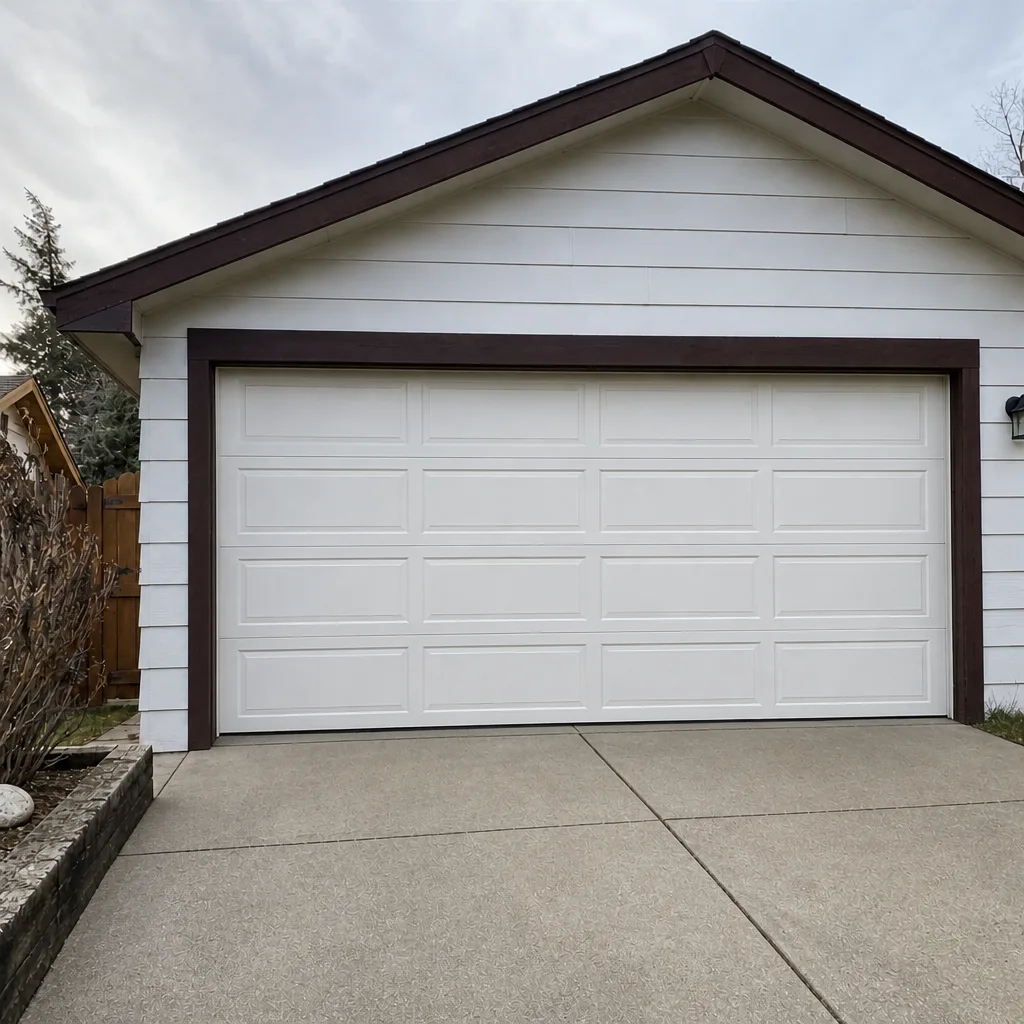
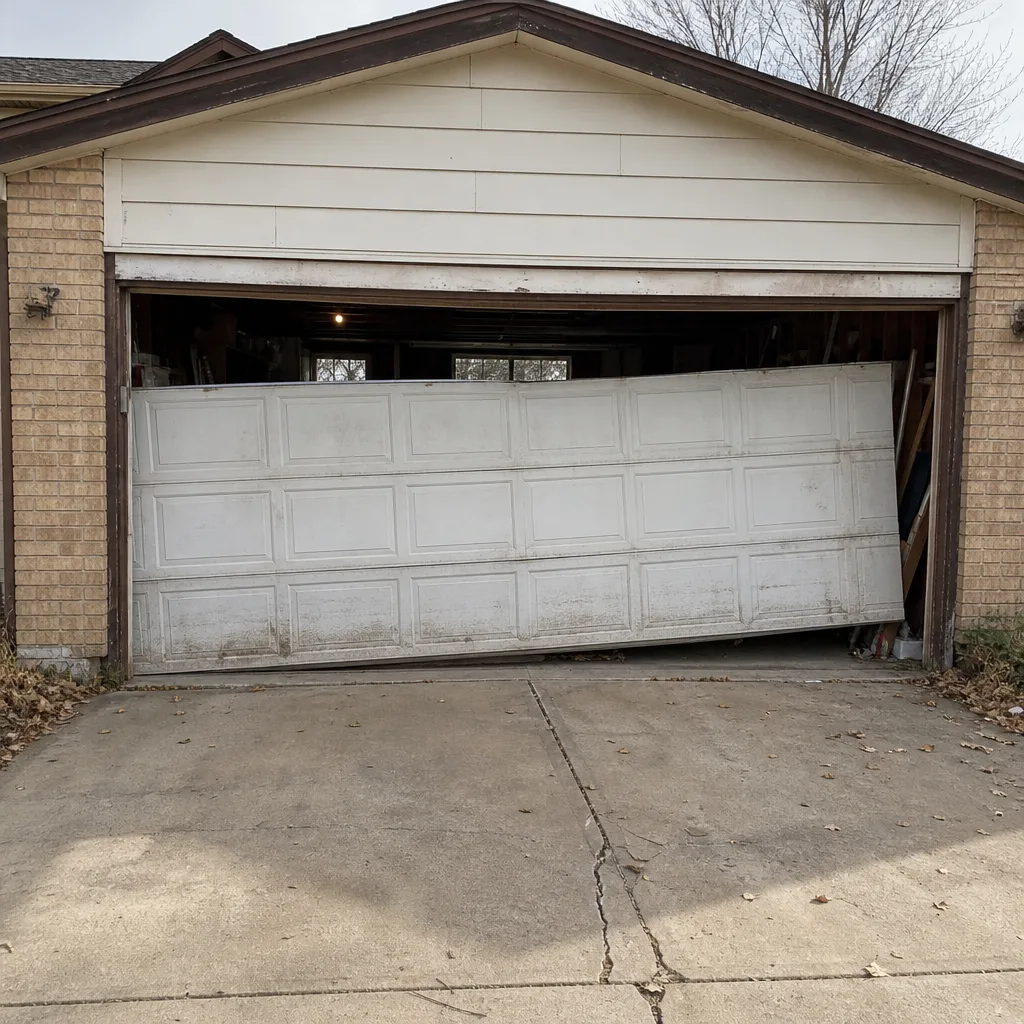
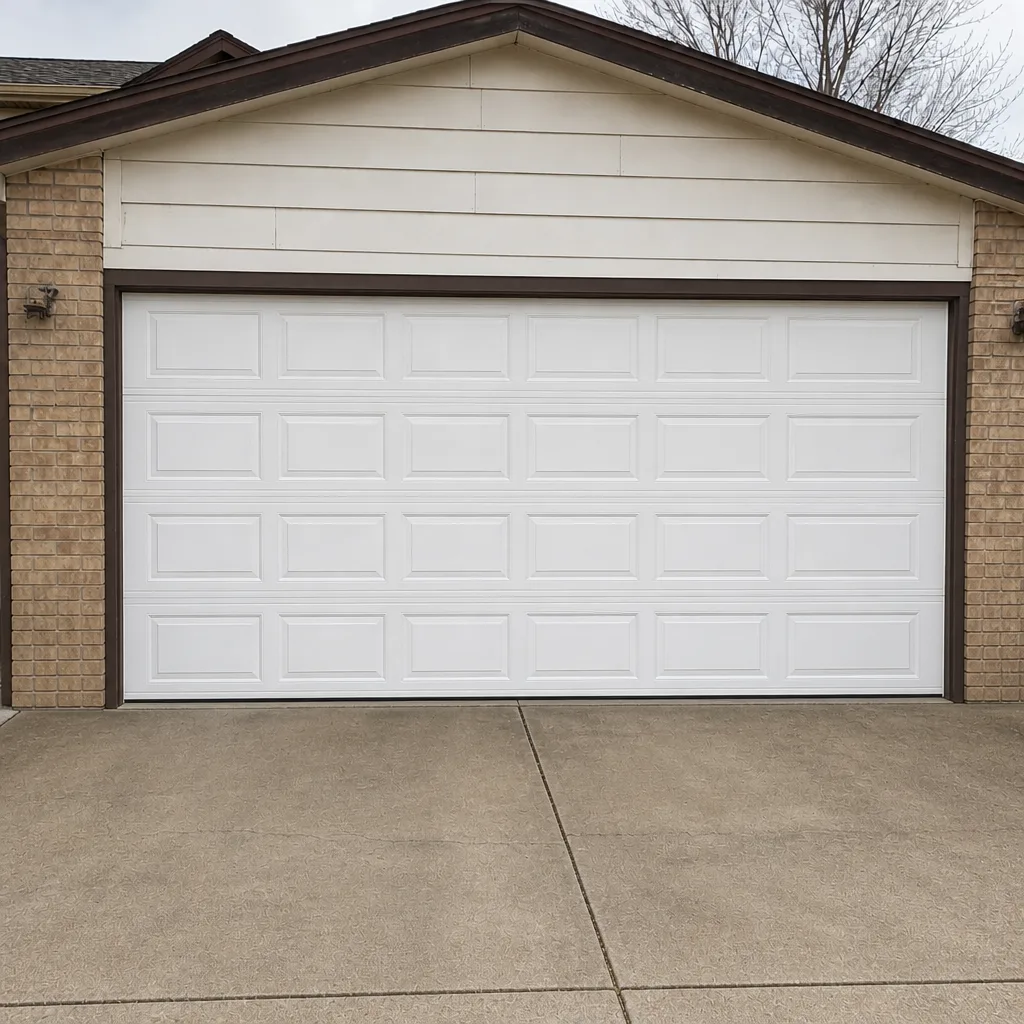
See the difference
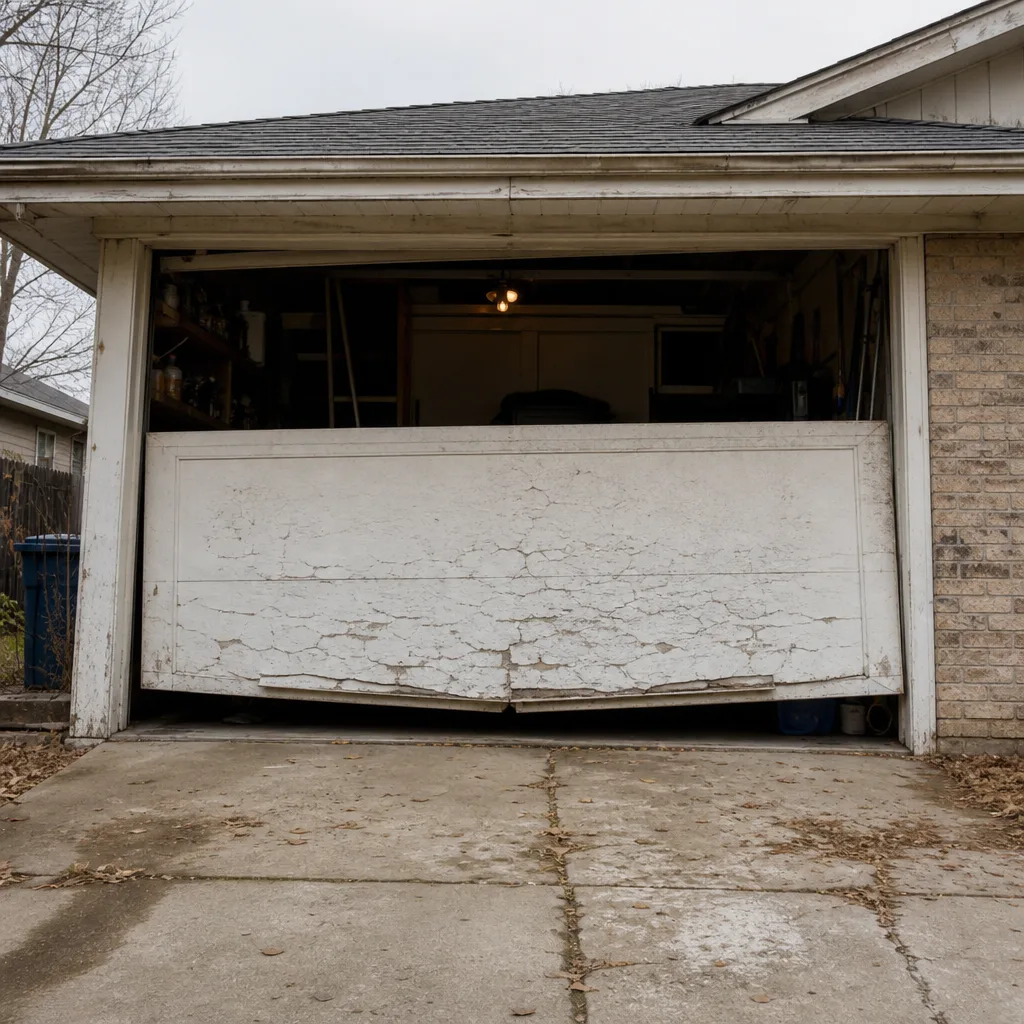 Before
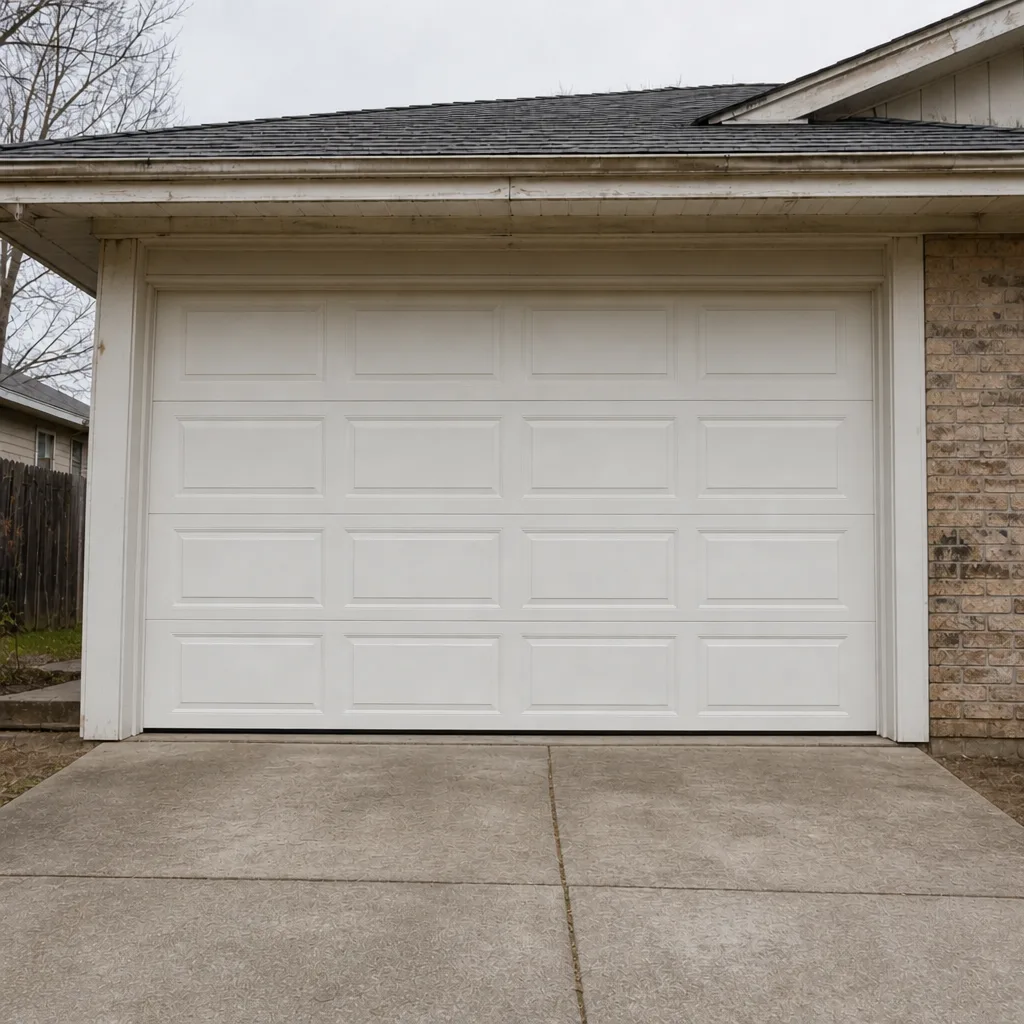 After
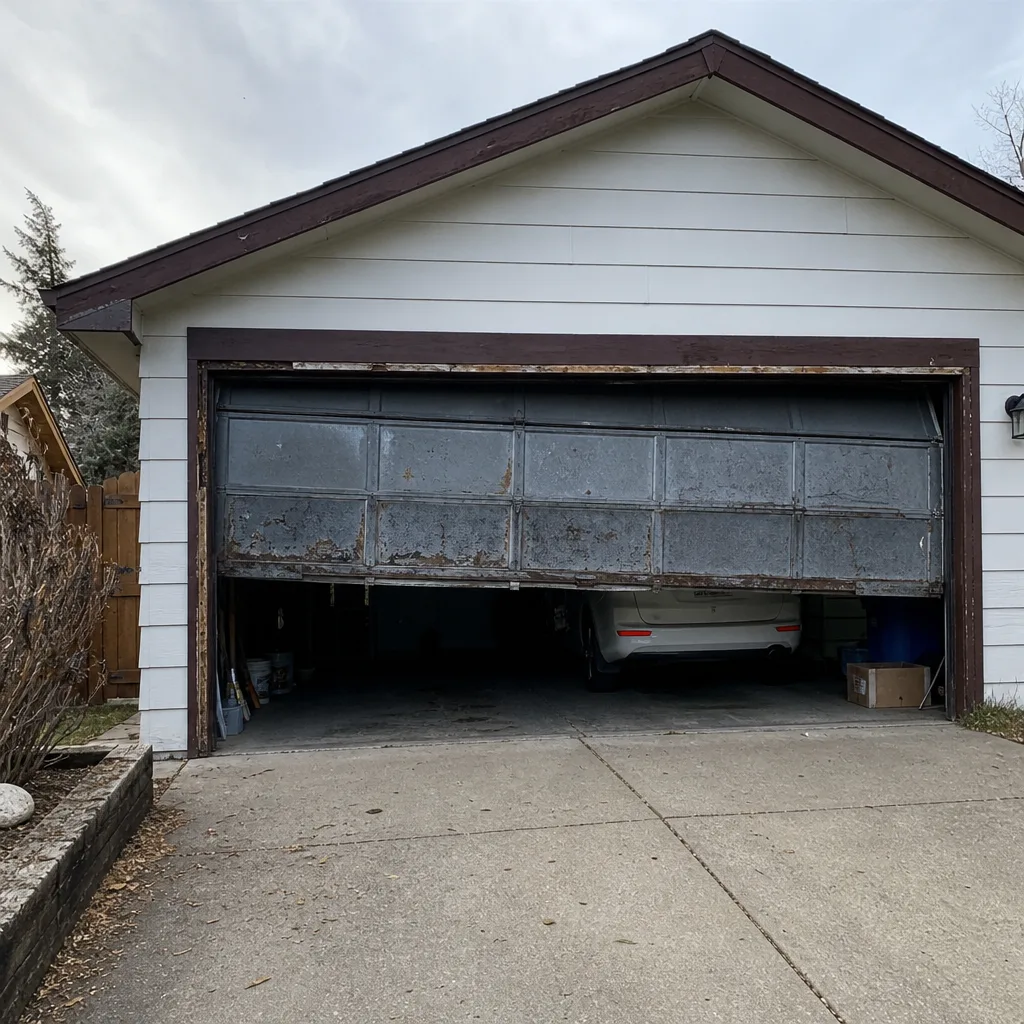 Before
 After
 Before
 After
When to Call a Professional
Call a professional when the door won’t open or close, when a spring has broken, when the door comes off its tracks, or when the opener runs but doesn’t lift the door. Call a professional before any installation that changes the opening, since that’s the work most likely to require a permit. Call a professional if you’re unsure whether an existing door meets current wind-load or R-value requirements, since a code-compliant installation depends on the door’s specs and the anchoring details. And call a professional if you’re preparing to sell a home in Centennial and don’t have documentation for a prior garage door replacement.
Centennial Garage Door Repair Pros offers free estimates in Centennial, and our technicians work on equipment from the major brands including Raynor, LiftMaster, Chamberlain, and Genie. Call (877) 542-4141 to schedule.
Frequently Asked Questions
A like-for-like replacement of a garage door of matching size in the same opening generally doesn’t require a permit, but a replacement that changes the size of the opening, modifies framing, or adds a new opening typically does. Because permit requirements hinge on the scope of the project, confirm with the city’s building department before scheduling. Call (877) 542-4141 for a free estimate and we can help you figure out which category your project falls into.
Doors installed in Centennial must be rated for the design wind pressure at the address and should carry a documented R-value for insulation, both of which are checked during a code-compliant installation. The ratings depend on the specific door model and location, so review the manufacturer’s spec sheet against the requirements you receive from the building department. A door rated and documented to current standards is what a compliant installation looks like. Call (877) 542-4141 for a free estimate on a code-compliant door.
An inspection checks anchoring and fastening, wind-load compliance, door balance, photo-eye sensors, the mechanical auto-reverse function, and the door and opener labels. The inspector is looking for structural safety and life-safety compliance, not cosmetic details. Anchoring and sensor alignment are the two most common failure points. If you’re not sure what your installation requires, call (877) 542-4141 and we’ll walk you through it.
No. An HOA architectural review committee and the city’s building department are entirely separate processes with separate timelines, and neither accepts the other’s approval. The HOA reviews style, color, and visual uniformity; the city reviews structural and life-safety compliance. Get both before ordering a door. Call (877) 542-4141 if you want help checking which approvals your project will need.
Yes. An unpermitted replacement can surface during a buyer’s inspection or a lender’s appraisal and can delay closing or require remediation. The realistic cost to remediate ranges from a retroactive permit and inspection in the hundreds of dollars to rework or full door replacement in the worst case. If you have an unpermitted door, sorting it out before listing is usually less expensive than sorting it out during a sale. Call (877) 542-4141 for a free estimate and we’ll help you assess the situation.
Call for emergency service when a door won’t open or close, when a spring breaks, when the door comes off its tracks, or when the door is stuck in a position that leaves the garage unsecured. Emergency garage door service is a core offering for us, not an upsell, and we handle these calls as a normal part of what we do. Call (877) 542-4141 and we’ll get a technician out as soon as we can. If you’re unsure whether you need emergency service or a routine repair, see Centennial Garage Door Repair Pros for an overview of what we handle.
The Bottom Line
Permit requirements for garage door work in Centennial come down to whether the project changes the opening or just replaces the door. A same-size, same-location swap is generally permit-free. A resizing, a header change, or a new opening typically requires one. New installations must meet current wind-load and R-value requirements, and the inspection verifies anchoring, balance, sensors, and auto-reverse function. Confusing HOA approval with a municipal permit is the most common delay, and an unpermitted replacement can surface at resale and cost more to remediate than it would have cost to permit in the first place. When in doubt, call the building department and a specialist before work begins.
Centennial Garage Door Repair Pros is a garage-door-only service company offering repair, opener repair, spring repair, installation, and emergency service. We work on equipment from major brands including LiftMaster, Chamberlain, Genie, Clopay, Amarr, Wayne Dalton, Craftsman, and Raynor, and our technicians have up to 9 years of experience. Whether you’re weighing a code-sensitive installation, chasing down an unpermitted door before a sale, or dealing with a spring that just let go, one call covers it. Call (877) 542-4141 for a free estimate in Centennial.
Written by the team at Centennial Garage Door Repair Pros.