Last updated November 22, 2026
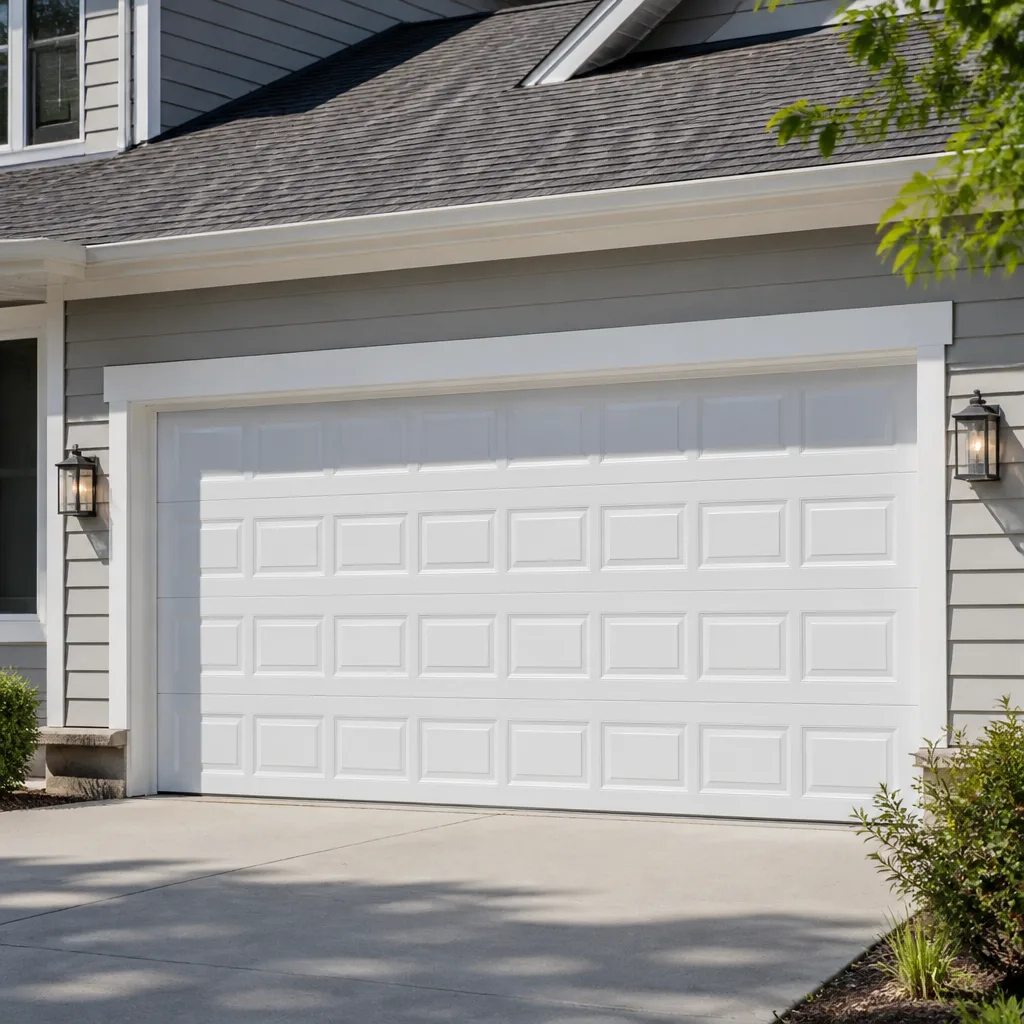 Raised-panel steel
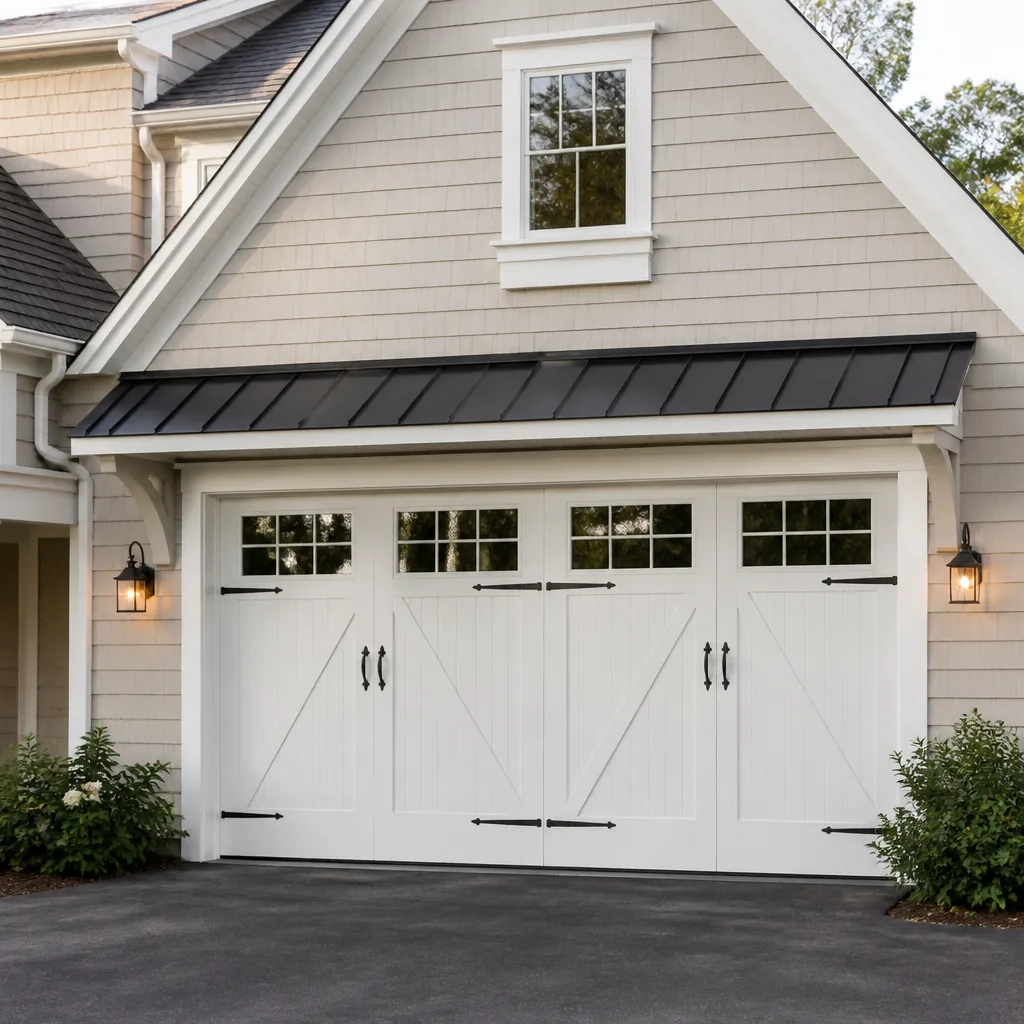 Carriage house
 Modern flush
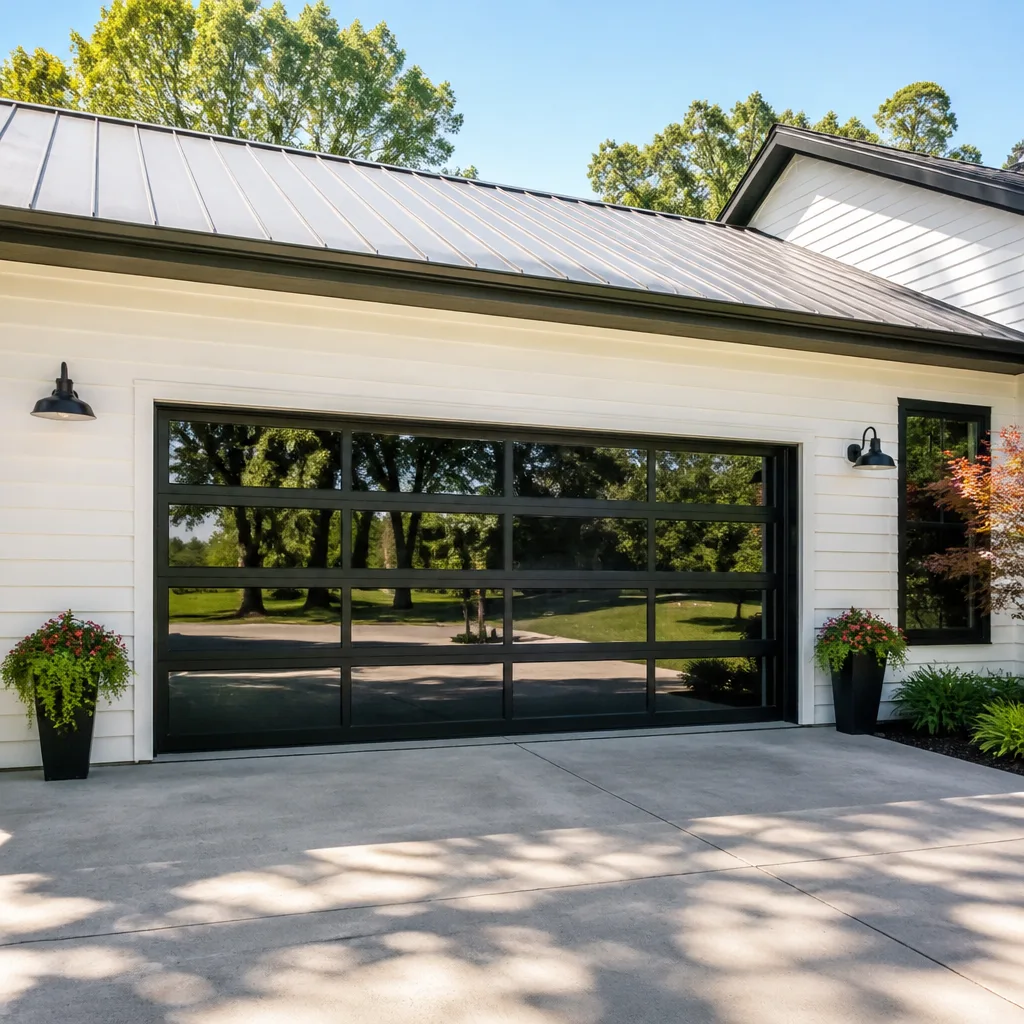 Full-view glass
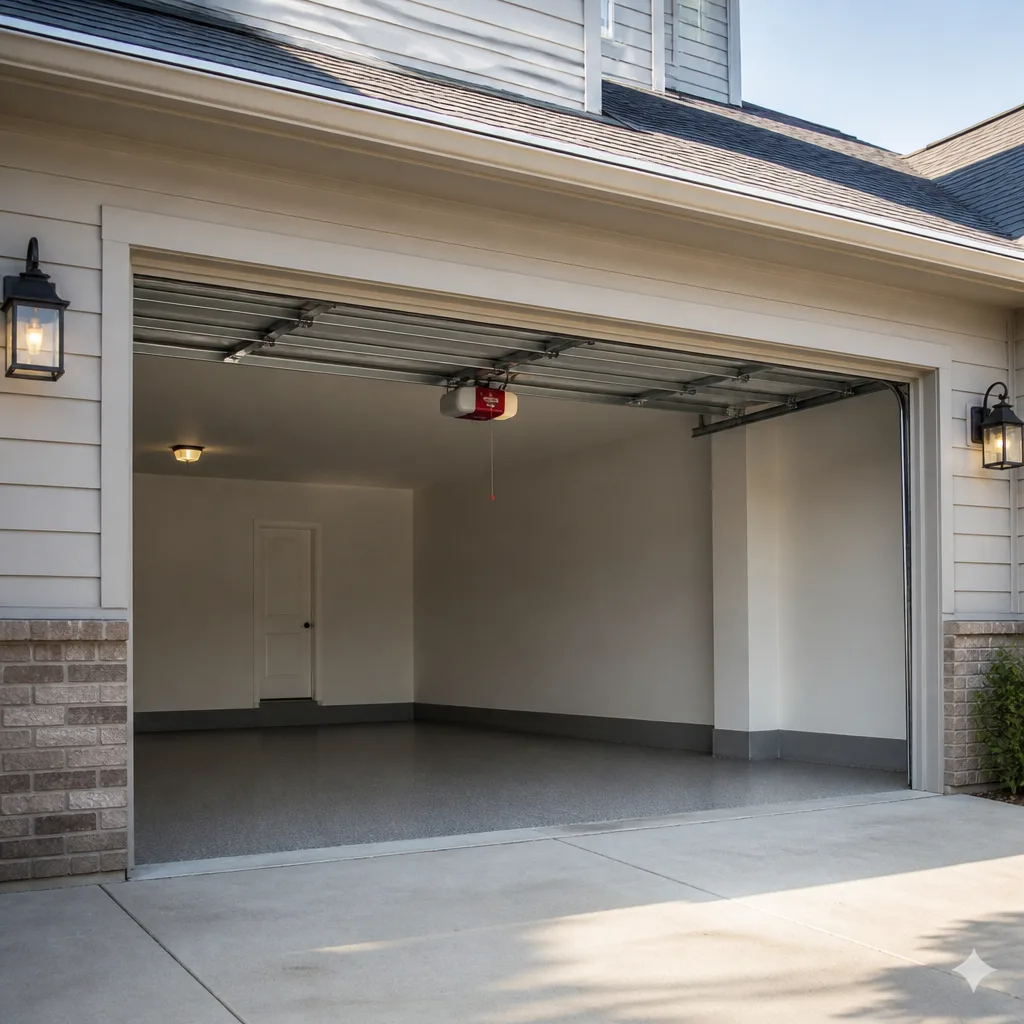 LiftMaster openers
 Chamberlain openers
Full 25-point door and opener safety check with every visit - springs, cables, rollers, tracks, and your LiftMaster or Chamberlain opener included
You get a price before we start. It does not change when the pro arrives.
Get your free estimateGarage Door Repair Maintenance Schedule: What to Do and When
The usual advice to “tune up the door once a year” was written for average use, and average use is not what most Centennial households actually put a door through. A family with two drivers cycling the door four times a day hits 1,460 cycles a year. Most torsion springs are rated for roughly 10,000, which means your spring is halfway through its life in under seven years, not “sometime eventually.” So we don’t hand out a seasonal checklist. We build the schedule around how your door is used. This guide gives you a task-and-frequency matrix, plus the Centennial-specific timing that matters when temperatures swing.
Quick Answer
A garage door maintenance schedule is driven by cycles, not the calendar: lubricate moving parts every 6 months or 2,000 cycles, tighten hardware and inspect cables every 6 to 12 months, test the safety reverse monthly, and have a professional inspect springs and balance every 1 to 2 years. In Centennial, add a pre-winter inspection in October and a post-freeze-thaw check in April, because those are the two points where track and hardware problems surface. Spring tension itself is never a homeowner task.
Styles & brands we work with
- Raised-panel steel
- Carriage house
- Modern flush
- Full-view glass
- LiftMaster openers
- Chamberlain openers
Table of Contents
- Why Cycle Count Beats the Annual Tune-Up
- Your Task-and-Frequency Matrix
- The Right Lubricant for Each Component
- October: Before the Temperature Drops
- April: After Freeze-Thaw Stress
- The One Adjustment You Must Never Make
- Keeping a Door Log That Actually Helps
- Brand-Specific Maintenance Notes
Why Cycle Count Beats the Annual Tune-Up
Every component on a garage door wears out on cycles. A cycle is one full open-and-close. Spring life, roller bearing life, and hinge wear all track to that number, not to how many months have passed. The annual tune-up advice assumes a door used maybe four or five times a day by a homeowner who is home most of the time. A two-commuter household, a door used by kids coming and going, or a small property owner with tenants cycling the door regularly will blow past that assumption without noticing.
Here’s the quick way to calculate your own annual cycles:
- Count how many times the door opens and closes on a typical weekday. Each open and each close is one cycle, so one trip out and back equals two cycles.
- Multiply by six (Sunday through Friday, excluding Saturday).
- Adjust for days the house is empty more than usual, or a vacation-home door used only twice a week.
- Multiply by 52 to get your annual cycle count.
A four-cycle-a-day household lands at around 1,460 per year. A vacation-home door used twice a week lands closer to 208. Same door, same parts, wildly different maintenance cadence. In our experience, ignoring that gap is the single biggest reason a door feels worn out long before its owners think it should. If your door has already started to feel sluggish or loud, that’s often a sign it’s overdue – see our garage door repair service for a proper look.
Your Task-and-Frequency Matrix
Build your schedule from cycles and let the calendar follow. The matrix below works for most Centennial homes; bump every frequency up if your door cycles hard twice a day or more.
Monthly (roughly every 200 cycles)
- Test the safety reverse: place a roll of paper towels under the door and confirm it reverses on contact.
- Listen for new sounds – grinding, popping, or a sudden change in how the motor sounds on startup.
- Check the photo-eye alignment with a quick visual pass.
Every 6 months (roughly every 2,000 cycles)
- Lubricate hinges, rollers, and the torsion spring with the correct lubricant for each component (more on that below).
- Wipe down the track and check for debris or small dents.
- Tighten any loose hinge or bracket bolts by hand.
- Check the weather seal along the bottom edge.
Every 12 months (roughly every 4,000 cycles)
- Inspect cables for fraying or rust.
- Check the balance: disconnect the opener and lift the door halfway – it should stay put.
- Test the opener’s force settings and safety sensors once more.
- Have the spring and cables inspected by a professional.
Every 1 to 2 years
- Full professional inspection, especially on a door cycling more than 1,000 times a year.
- Roller replacement if any have worn flat spots or started to squeal.
If any step above turns up something that isn’t right – a frayed cable, a spring that won’t hold, a motor that grinds – do not keep cycling the door. Stop and get it looked at. We run garage door opener repair for motor and control problems, and spring work is a core part of what we do precisely because it’s the highest-stakes repair on any garage door.
The Right Lubricant for Each Component
Here’s what most homeowner guides get wrong: “silicone spray everything” is bad advice on newer doors. Silicone is fine for rollers, but it can degrade the plastic and composite components used on newer Clopay and Wayne Dalton panels. Those panels and their trim are designed with specific materials, and a generic spray can dry them out or cause them to crack over time. And the wrong lubricant on a torsion spring attracts dirt that turns into a grinding paste.
Match the product to the part:
- Rollers (metal): a few drops of a garage-door-specific lubricant, or silicone spray if the rollers are nylon.
- Hinges and pivot points: light oil, applied sparingly to the pivot, not the whole hinge leaf.
- Torsion spring: a dedicated spring lubricant applied as a light film. Not grease, not WD-40.
- Tracks: nothing wet. Wipe clean with a dry cloth. Grease on a track collects grit and grinds the rollers.
- Weather seal and plastic trim: product recommended by the door manufacturer – silicone or a dry film, never an oil-based spray.
We’re factory-familiar with eight of the leading brands – LiftMaster, Chamberlain, Genie, Clopay, Amarr, Wayne Dalton, Craftsman, and Raynor – and each one has quirks. A Clopay panel’s trim and a Wayne Dalton composite door can react to the same spray very differently. That’s why we don’t hand out a single generic product name. If you’re not sure what your door was built with, check the sticker or nameplate on the panel and match to the manufacturer’s lubrication recommendation. When it’s unclear, a technician can tell you what’s safe for your specific system.
October: Before the Temperature Drops
Centennial’s temperature swings from October into November do a specific kind of damage. Metal contracts as it cools, and a track or hinge assembly that sat in warm summer air will start to shift, loosen, or bind. This is the time to get ahead of it rather than waiting for the first cold snap to make a problem obvious.
Do these tasks in October, before the overnight temperatures settle below freezing:
- Walk the full length of both tracks and check for any bows, dents, or bends. A bent track will grind the rollers once the rollers stiffen in cold.
- Tighten every hinge, bracket, and roller carrier bolt by hand. Don’t over-torque – snug is what matters.
- Clean and re-lubricate rollers, hinges, and the spring. Cold lubricant that’s too thick will trap a door and put stress on the opener motor.
- Check the weather seal at the bottom of the door. A cracked seal lets cold air in and lets snowmelt under the door where it can freeze and bind the panel.
- Test the safety reverse one more time – cold-opener motor performance can lag.
If the door starts making noise or stuttering in the cold, that’s not “normal winter behavior.” It usually means the door is fighting track contraction or a worn component. If you’ve got a Genie or Chamberlain opener that’s getting louder in the cold, our team can check it before the problem turns into a full failure. The same adjustment window is a good time to look at garage door installation if your door is at the end of its service life and the repairs are starting to pile up.
April: After Freeze-Thaw Stress
The freeze-thaw cycle that hits a Centennial door through winter leaves its mark by spring. Metal that has expanded and contracted dozens of times can loosen hardware, shift tracks, and put stress on cables and springs in ways that don’t show up until the door is used hard again. April is when you check the aftermath – not a fresh inspection, but a verification pass on everything winter moved.
April checklist:
- Walk both tracks again, checking for any new wobble, bend, or separation from the wall.
- Look at the cables for fraying, rust, or loosening at the drum. A fraying cable is an immediate stop-cycling issue, not a “keep an eye on it” issue.
- Check all hinges, brackets, and bolts for looseness and re-snug them by hand.
- Inspect the weather seal again – the winter thaw often leaves it cracked or peeled.
- Re-check the balance: disconnect the opener, lift the door to the halfway point, and see if it holds. If it drifts down, the springs have lost some tension and need professional attention.
If the April walk-around turns up a broken spring or frayed cable, our spring repair is exactly the call to make. Springs are the highest-stakes repair on any garage door, and a door that’s cycling on a compromised spring is one you should leave down until it’s checked. Do not run the door until a technician has looked at it.
The One Adjustment You Must Never Make
Spring tension is the single maintenance task that must never appear on a homeowner’s checklist. Torsion springs and extension springs are under enormous stored force, and loosening or adjusting them without the right tools and procedure is genuinely dangerous – injuries from spring work are serious and can be permanent. We’re not going to give you a step-by-step on this one, and no honest garage door company should.
What you can do instead, on a service call, is tell the technician exactly what to check:
- That the balance test (door halfway up) holds without drift.
- That the spring isn’t showing visible gaps, rust-through, or stretch that looks wrong.
- That the door travels smoothly through both open and close without sudden speed changes.
- That the cables aren’t frayed or loose at the drum.
- That the opener’s force and travel limit settings are correct for the current weight of the door.
That list is what an experienced technician wants to hear anyway. Getting specific about what you’ve observed cuts the diagnostic time in half – more on that below. If your door’s balance is off, a technician can confirm the spring condition and, if needed, carry out spring repair safely.
Keeping a Door Log That Actually Helps
Keep a simple door log with three columns: date, observation, action. That’s it. No spreadsheet formulas, no month-long diary – just three things one line per visit or check.
Why it matters: when something does go wrong, the most useful information for a technician is what changed and when. “Started grinding around the 15th, got louder by the 20th, now won’t close fully” is far more valuable than “it stopped working.” A log tells a technician where to look first, and it rules out the false trails that eat up service time.
What to log:
- Date of each monthly safety reverse test (a simple date is enough).
- Any change in sound, motion, or speed – even mild.
- Dates of each lubrication and hardware tightening pass.
- Any professional visit, and what was checked or replaced.
- Anything unusual after a storm, cold snap, or heat wave.
Our technicians work on LiftMaster, Chamberlain, Genie, Clopay, Amarr, Wayne Dalton, Craftsman, and Raynor systems and are used to reading between the lines of a homeowner’s notes. A log cuts down on guesswork, and it’s a small habit that pays back over the life of the door.
Brand-Specific Maintenance Notes
Different brands have different maintenance sensitivities, and treating every door the same wastes effort on the parts that don’t need attention while missing the parts that do.
Clopay and Wayne Dalton: newer Clopay and Wayne Dalton panels often use composite and coated materials that react poorly to oil-based sprays. Stick to a dry or silicone-based product on trim and seals, and check the manufacturer’s lubrication guidance for your specific model.
Genie and Chamberlain openers: both brands have force and travel limits that should be rechecked after any hardware change. A door that’s had rollers replaced may need its opener re-tuned to match the new weight.
Amarr: Amarr doors typically hold up well, but the hardware is still metal on metal – October and April are the two points where they’re most likely to show looseness.
LiftMaster and Craftsman: these systems are common in Centennial homes and both respond well to consistent monthly safety testing. Craftsman openers in particular benefit from a quick visual check of the safety sensor alignment each month.
Raynor: Raynor doors are built to specific tolerances, and a Raynor panel that’s been bumped or dented can affect travel. If you notice uneven travel after a knock, have it checked rather than adjusting the opener to compensate.
We’re factory-familiar with all eight brands, which means we diagnose from brand-specific logic rather than guessing. When something does go wrong, that’s the difference between a quick fix and a return visit. If you own a brand not listed here, we still cover the standard service arc – see our Centennial Garage Door Repair Pros page for the full range of work.
Common Mistakes to Avoid
- Following a generic seasonal checklist. The “annual tune-up” advice assumes a usage level most doors don’t have. Build your schedule around your own cycle count, not the calendar year, or you’ll waste time and still miss the real wear points.
- Using the same spray on every component. Silicone on metal rollers is fine, but silicone on newer Clopay and Wayne Dalton plastics can dry and crack them over a season. Match the product to the part, and don’t skip the manufacturer’s guidance.
- Greasing the tracks. A greased track collects grit and turns the rollers into grinding wheels. Wipe the tracks clean and keep them dry.
- Ignoring new sounds. A grinding or popping door is telling you a part is failing. Waiting until it stops moving entirely usually means a larger repair – and sometimes a spring call you could have caught earlier.
- Adjusting spring tension yourself. Springs are under extreme tension and adjusting them without training is genuinely dangerous. Leave this one to a professional, every time.
- Skipping the October and April passes. Centennial’s temperature swings put specific stress on tracks and hardware in both directions. The two best moments to check the door are before the cold sets in and after the thaw.
- No log. Without a record of dates and observations, every service call starts from zero. A three-column log is a five-minute habit that saves diagnostic time down the road.
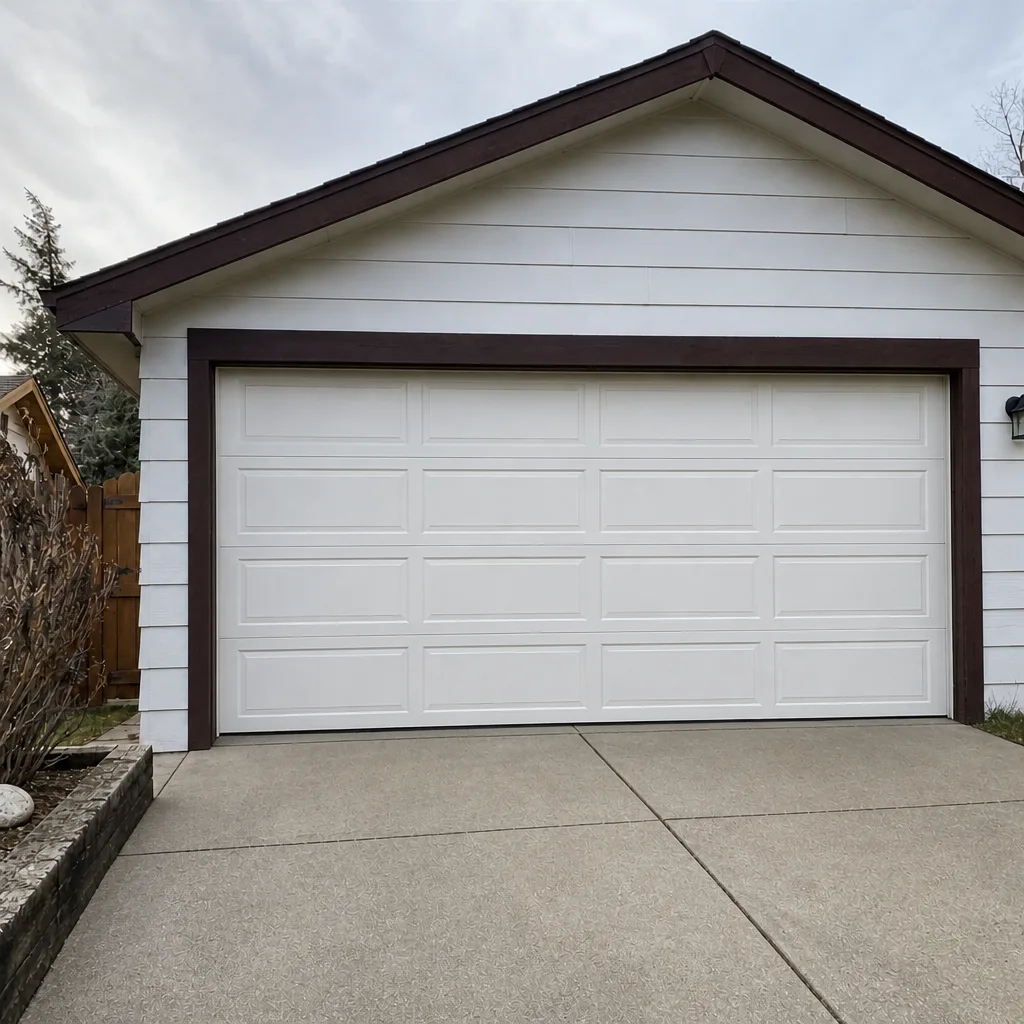
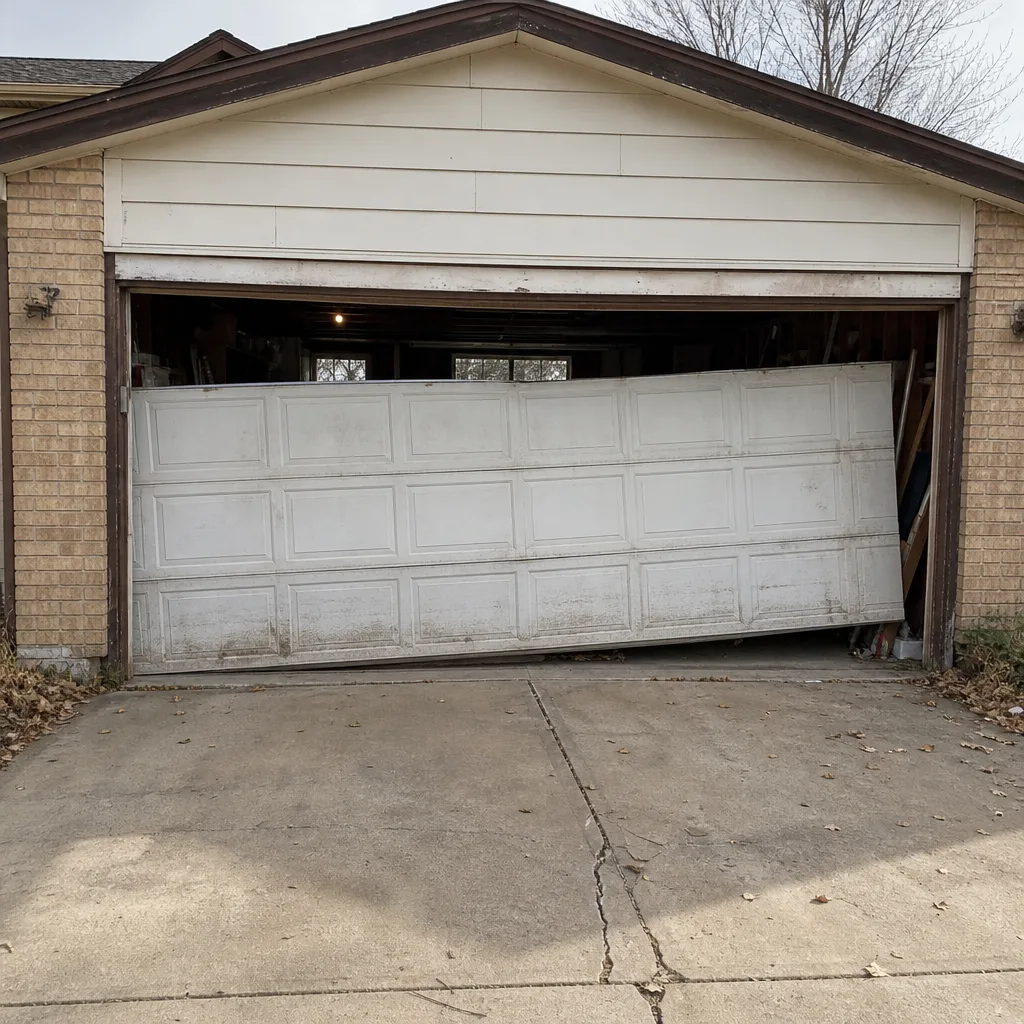
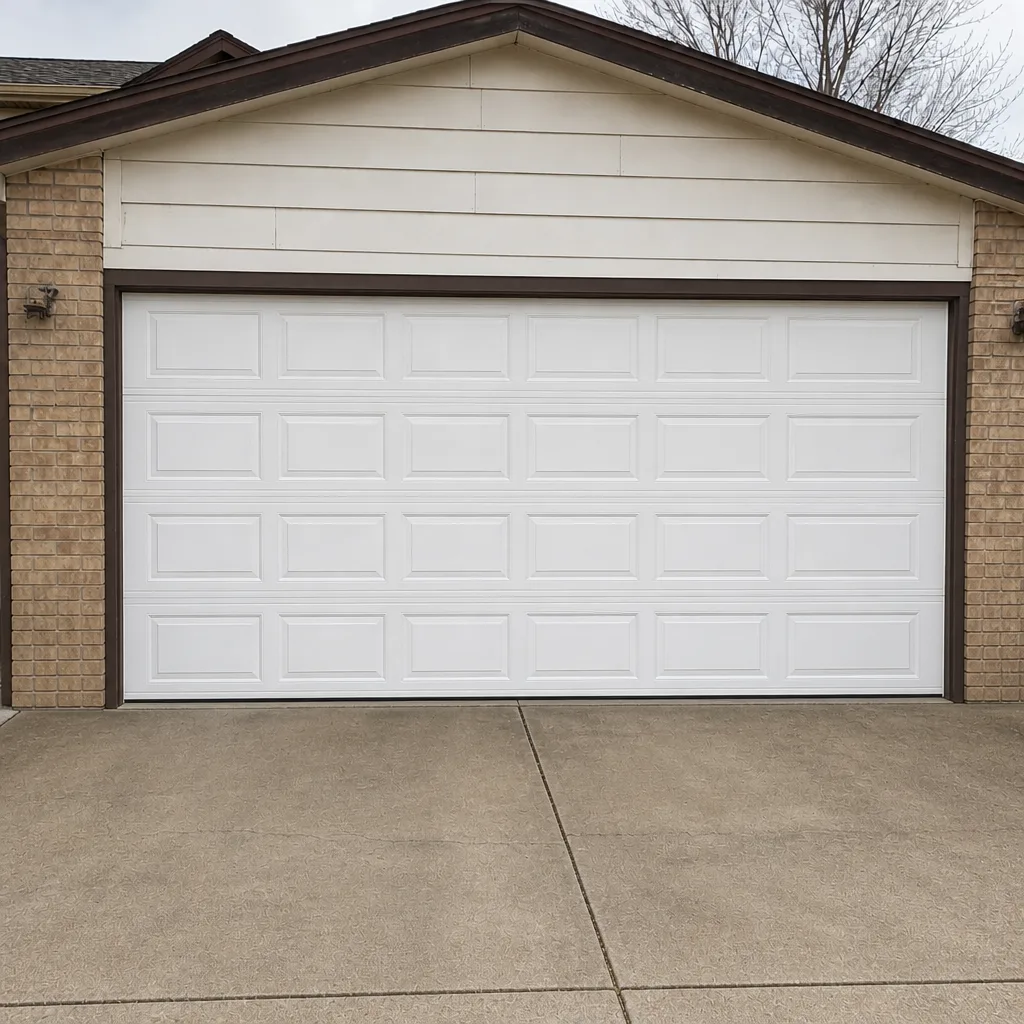
See the difference
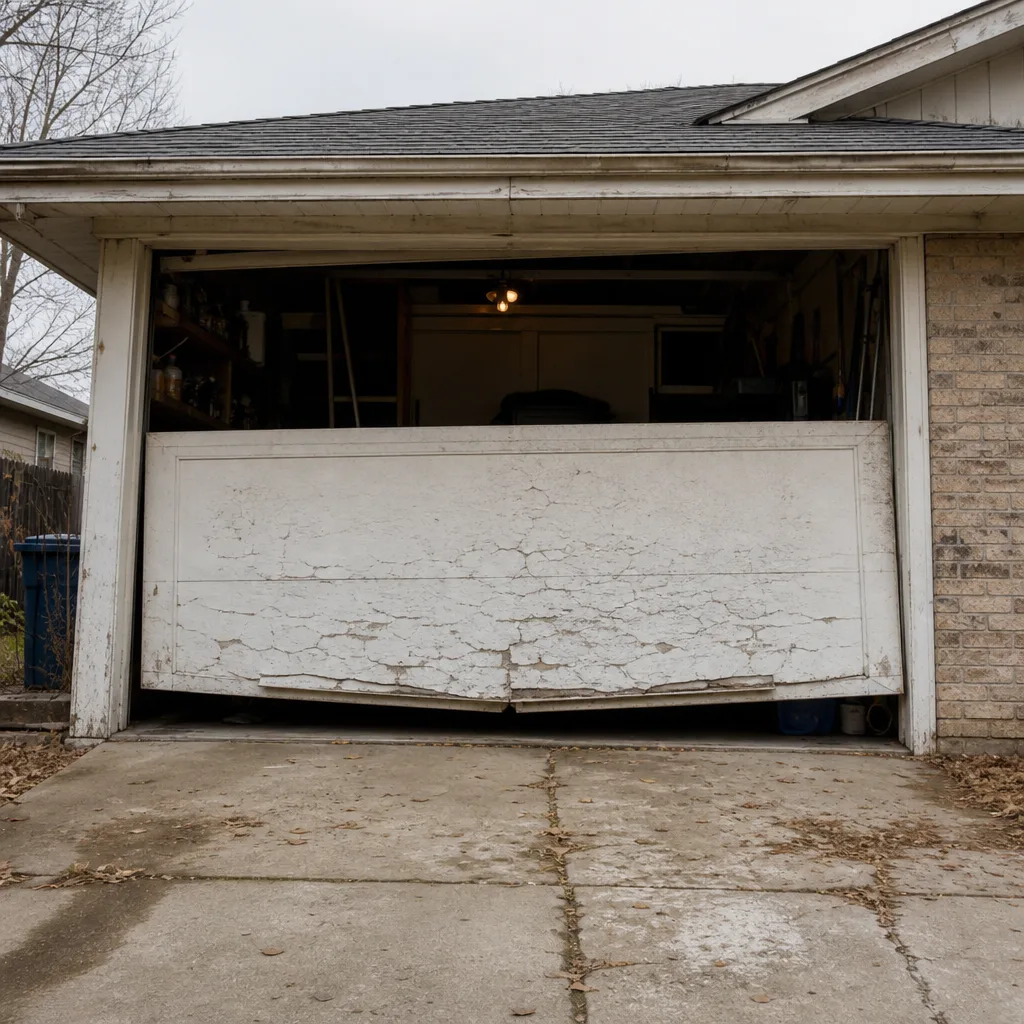 Before
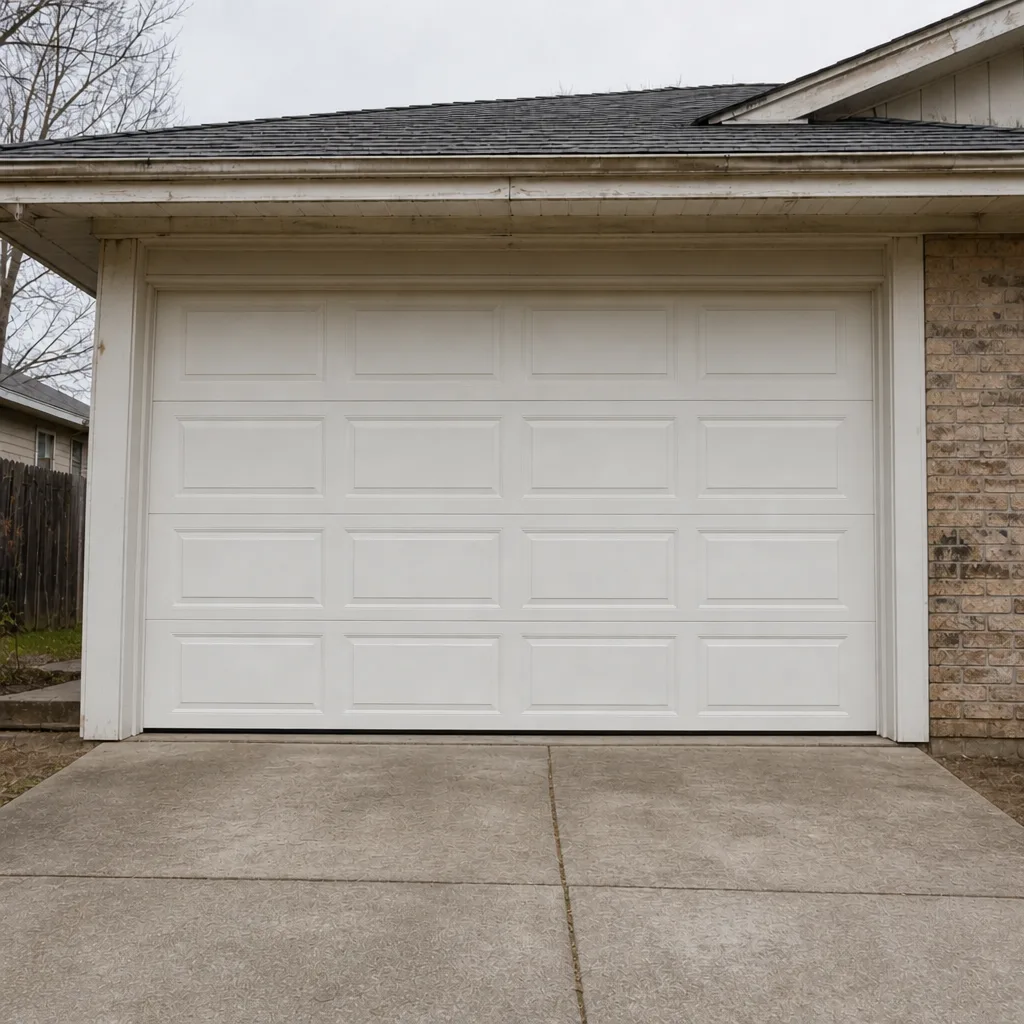 After
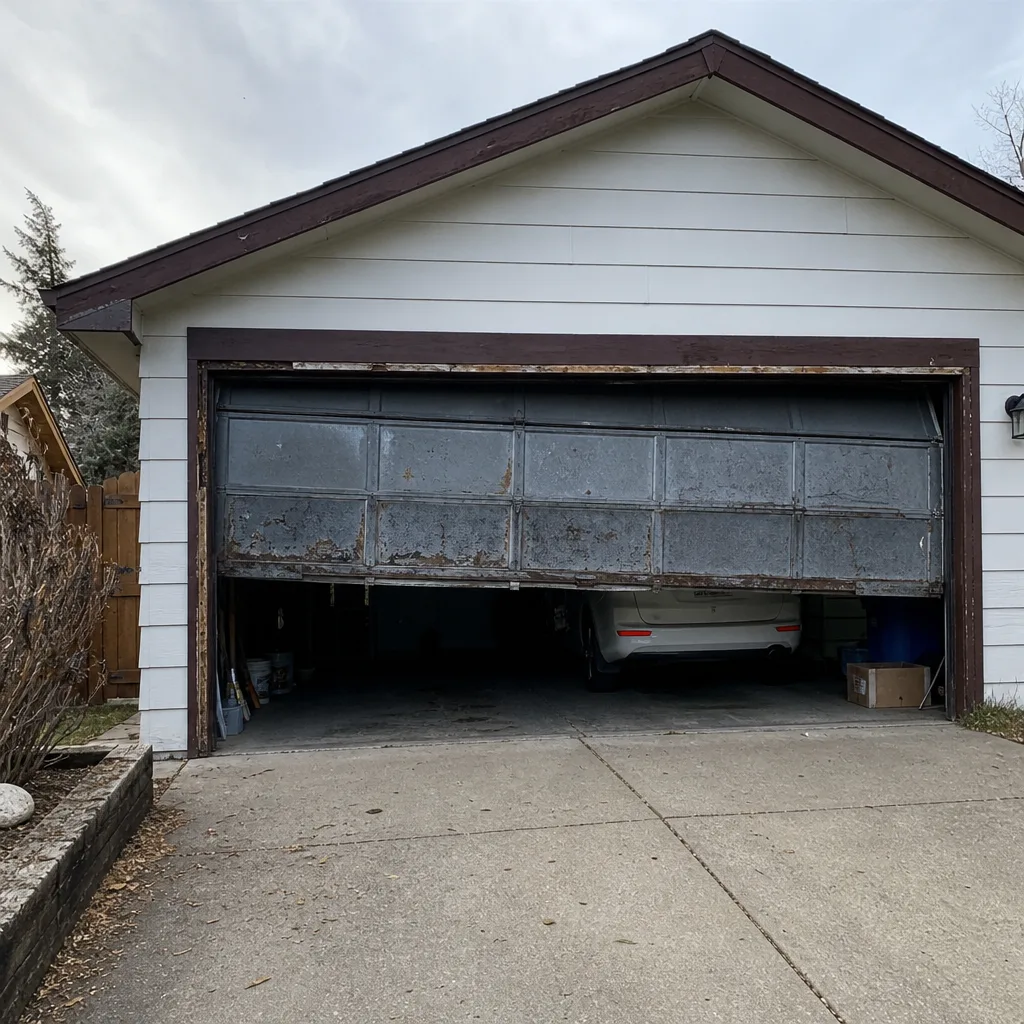 Before
 After
 Before
 After
When to Call a Professional
Some maintenance is a homeowner job, and some isn’t. Call a professional if your door has a broken spring (visible gap in the coil or a door that won’t stay up), a frayed or loose cable, a track that’s visibly bent, or a door that moves unevenly or stalls partway. Any spring, cable, or balance issue is not a DIY repair – springs and cables are under heavy stored tension and adjusting them without training is dangerous. A door that cycles on a bad spring should stay down until it’s checked.
We also want to hear from you if something just doesn’t feel right – a new noise, a slow opener, a door that drifts down after you stop it halfway. Our technicians have up to 9 years of experience and diagnose by brand logic, not guesswork, so a service call is short and specific. Centennial Garage Door Repair Pros offers free estimates in Centennial. We’re open Sunday through Friday, 7am to 7pm, and closed on Saturday; call (877) 542-4141.
Frequently Asked Questions
Maintain it every 6 months or roughly every 2,000 cycles, whichever comes first, plus a monthly safety-reverse test. If your door cycles four times a day – typical for a two-driver household – you’re running about 1,460 cycles a year, so half-year lubrication and hardware checks keep you ahead of wear. A door used only twice a week can stretch that interval. Call (877) 542-4141 for a free estimate if you want a schedule built around your actual usage.
Check the tracks for any bows or bends, tighten hinges and brackets by hand, re-lubricate rollers, hinges, and the spring, and inspect the weather seal at the bottom. Cold weather contracts metal and can bind a track that was fine all summer, so October is the right time to catch it. If anything feels off or the door starts to grind, get it looked at before the first freeze. Call (877) 542-4141 for an exact quote – estimates are free.
You can apply a light film of spring lubricant to the coil without adjusting tension, but you must never attempt to adjust, loosen, or tighten the spring itself. Springs are under extreme stored force and working on the tension is a job for a trained professional – injuries from DIY spring work are serious. If your door isn’t holding halfway up, keep it down and call a technician. Call (877) 542-4141 for a free estimate.
Count your opens and closes on a typical weekday, multiply by six (we’re closed Saturday so most homes skip that day), and then multiply by 52. A household that opens and closes the door four times a day lands at roughly 1,460 cycles per year, while a vacation-home door used twice a week lands closer to 208. Most torsion springs are rated for around 10,000 cycles, so a four-cycle household can expect a spring to reach halfway through its rated life in under seven years. Call (877) 542-4141 for a free estimate on a spring check.
Cold weather contracts the metal track and stiffens lubricant, which can make a door grind or stutter. It’s often a sign that a track is binding or a roller has worn, not just “winter behavior.” October lubrication and a hand-tightening pass usually solves it; if not, have a technician look at the door. Call (877) 542-4141 for an exact quote – estimates are free.
The local professionals we connect you with are licensed and insured as their state requires, and our team is trained on the eight major brands – LiftMaster, Chamberlain, Genie, Clopay, Amarr, Wayne Dalton, Craftsman, and Raynor. Our technicians have up to 9 years of experience. Call (877) 542-4141 for a free estimate.
Yes – emergency garage door service is a core part of what we do, not an after-hours add-on. If your door won’t close and you can’t wait, or won’t open when you need to leave, call us. We’re open Sunday through Friday, 7am to 7pm, and closed on Saturday. Call (877) 542-4141 for a free estimate.
The Bottom Line
A garage door maintenance schedule built around cycles, not the calendar, is the only one that actually protects your door. Lubricate every 6 months or 2,000 cycles, tighten and inspect hardware every 6 to 12 months, test the safety reverse monthly, and get a professional spring and balance check every 1 to 2 years. In Centennial, add the October pre-winter pass and the April post-thaw check – those are the two points where track and hardware problems surface. Keep a simple three-column log, leave spring tension to a professional, and call when something sounds different. A small cadence beats a big repair, every time.
If your door is due for a maintenance visit or you’ve noticed something that needs attention, Centennial Garage Door Repair Pros covers repair, opener repair, installation, spring repair, and emergency service under one name. Call (877) 542-4141 for a free estimate and we’ll help you build a schedule that matches how your door is actually used.
Written by the team at Centennial Garage Door Repair Pros.