Last updated November 22, 2026
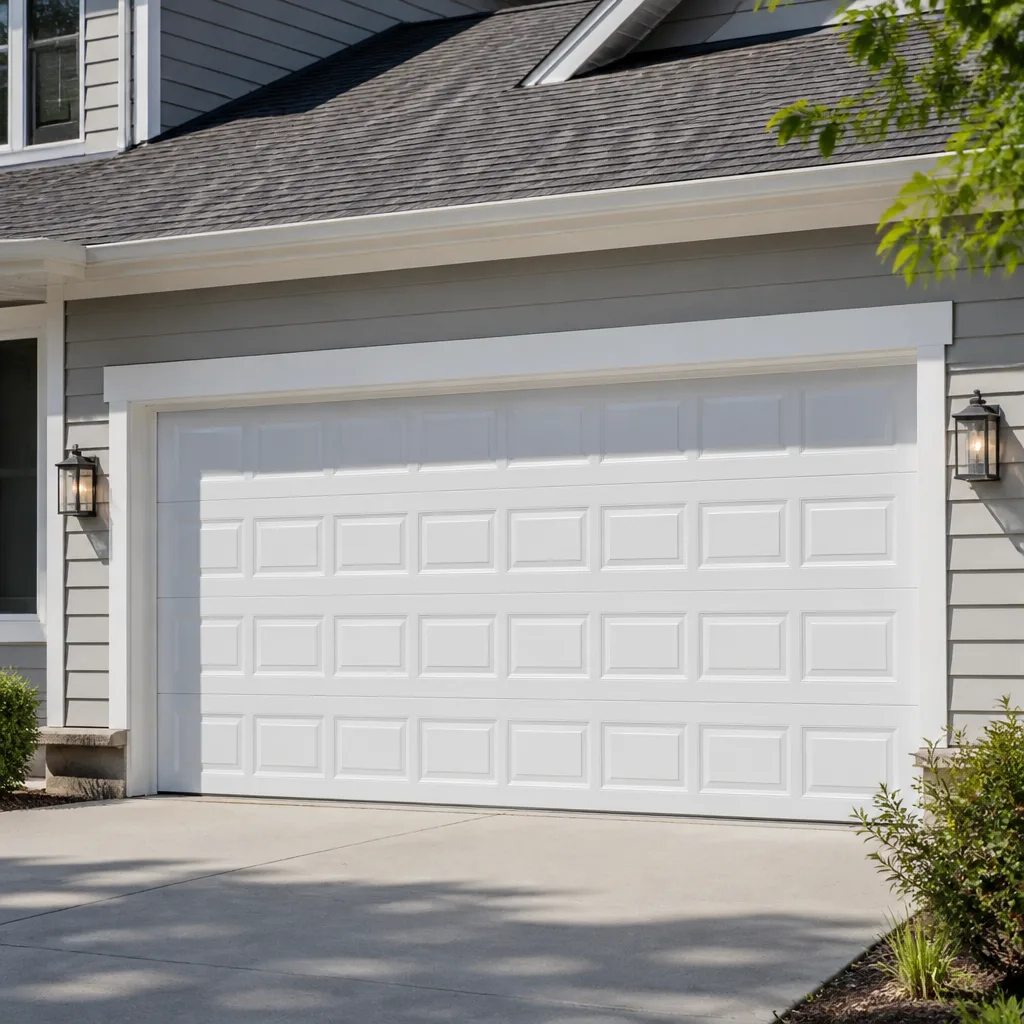 Raised-panel steel
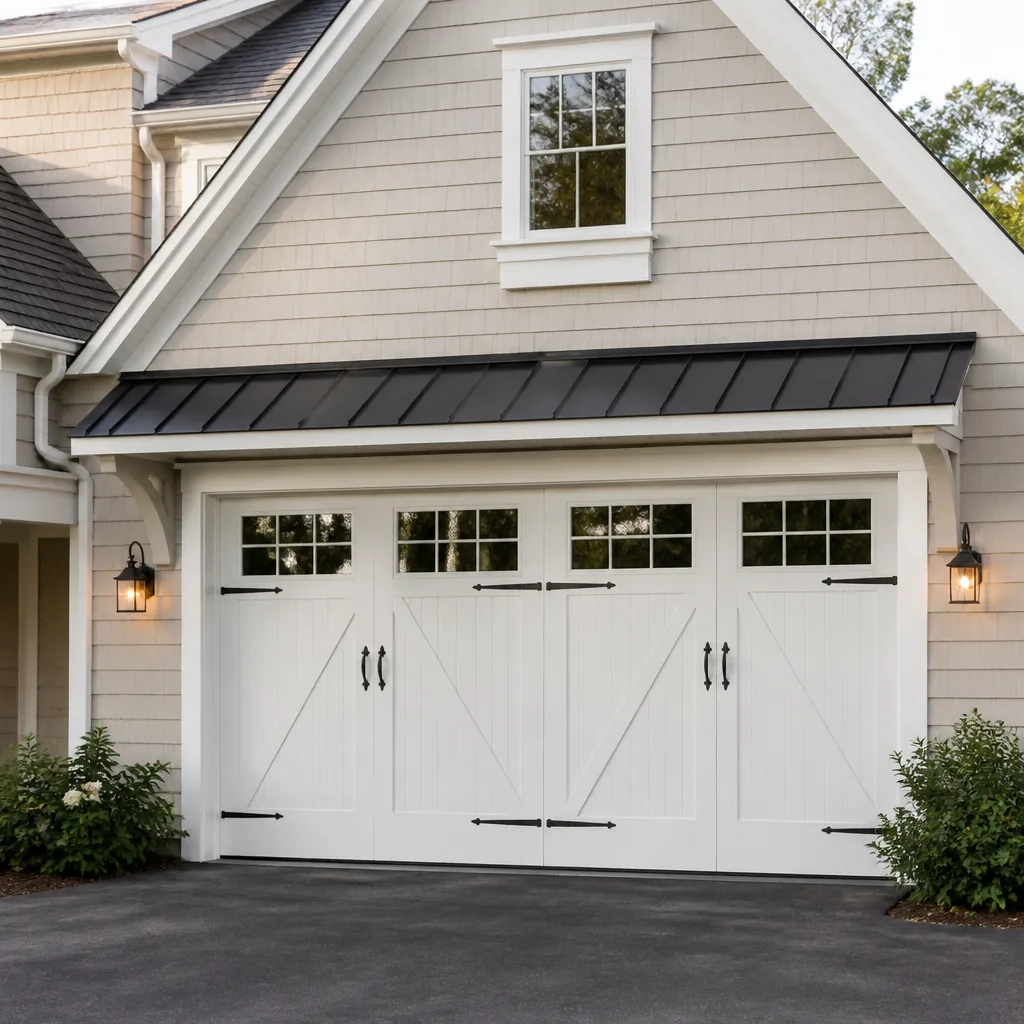 Carriage house
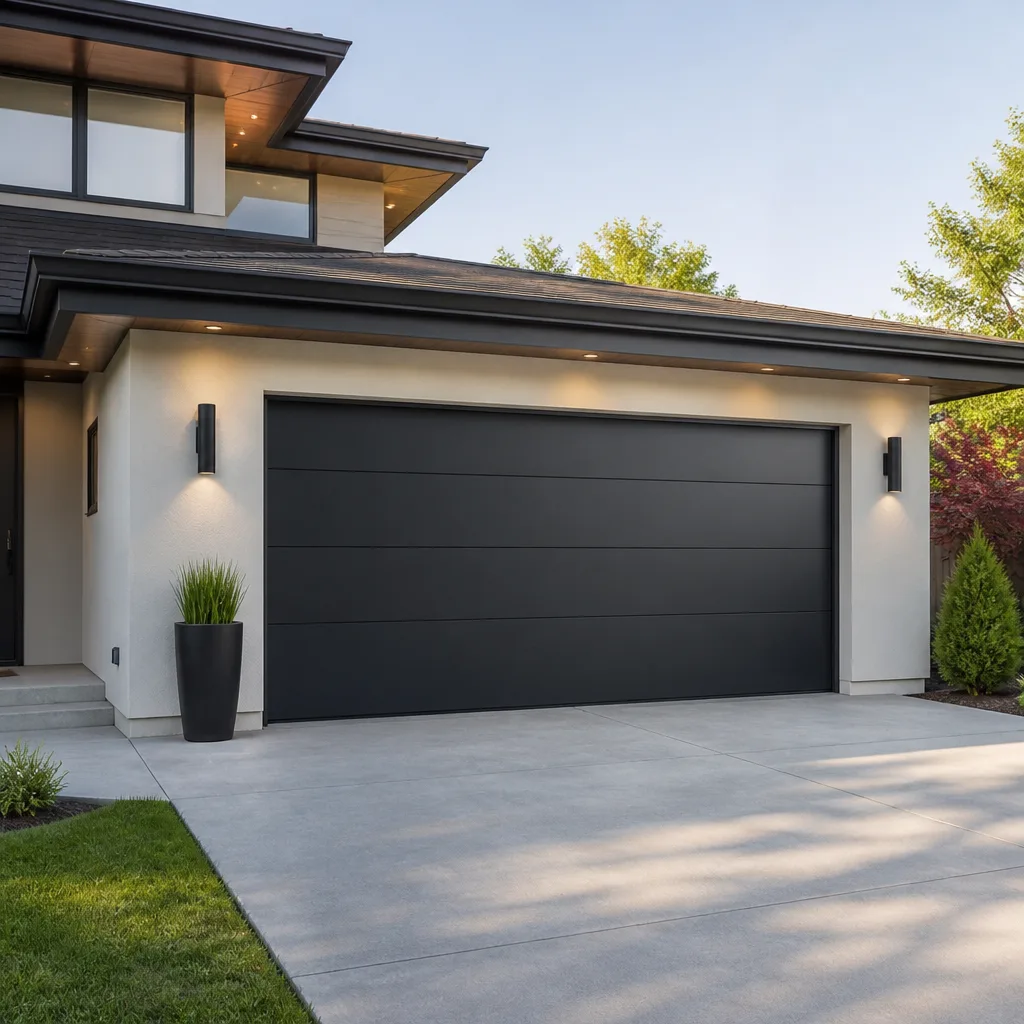 Modern flush
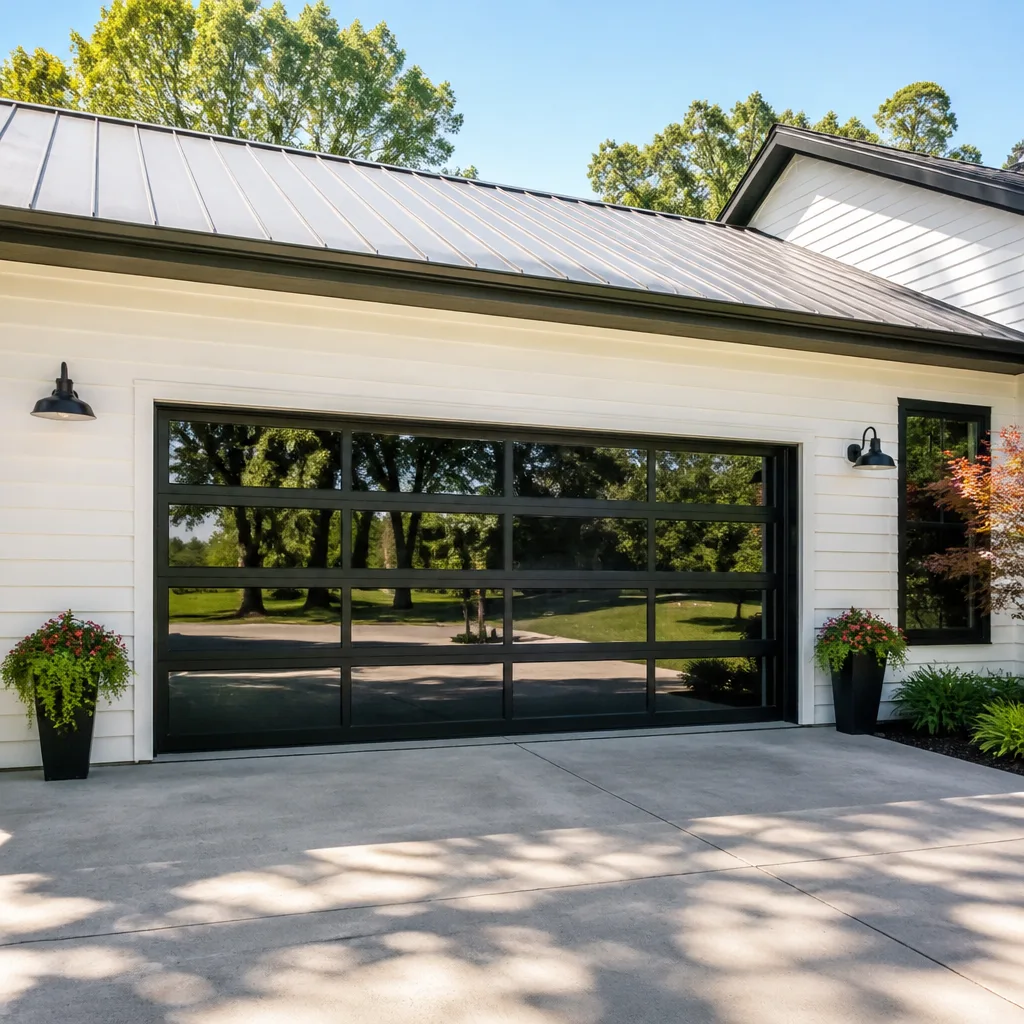 Full-view glass
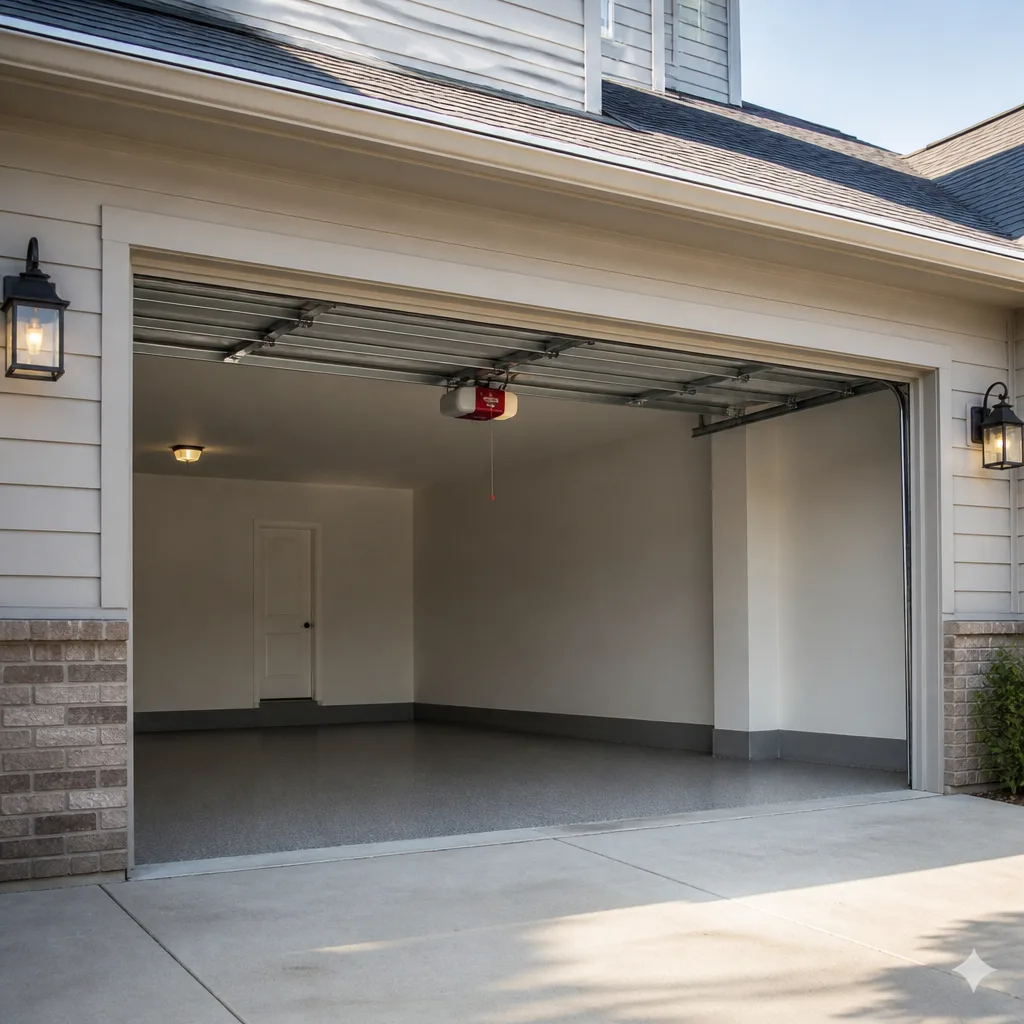 LiftMaster openers
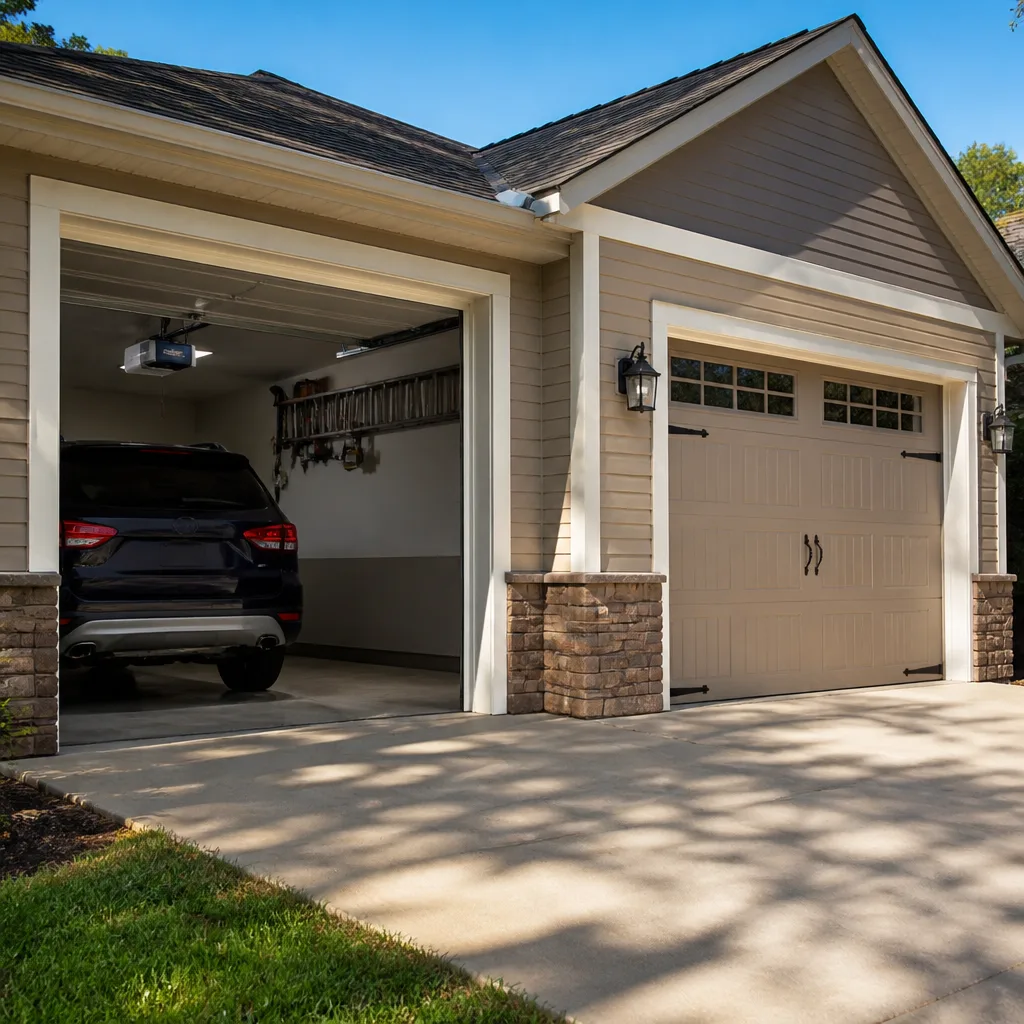 Chamberlain openers
Full 25-point door and opener safety check with every visit - springs, cables, rollers, tracks, and your LiftMaster or Chamberlain opener included
You get a price before we start. It does not change when the pro arrives.
Get your free estimateGarage Door Cost Breakdown: The Centennial Homeowner’s Reference for 2026
Most Centennial homeowners budget for the door and the labor, and then get surprised by a final invoice that runs higher than the estimate they approved. The gap almost always comes from the same four categories: disposal, haul-away, permit fees, and existing hardware that doesn’t fit the new system. None of them are hidden on purpose. They just don’t show up on the quote unless somebody asks. This guide makes those categories visible before a technician pulls into your driveway, not after. You’ll see what a fair parts-versus-labor split looks like in Centennial’s market right now, how to compare quotes that use different spring types or opener drives, and where the real return sits in garage door spending at our Front Range temperature swings. It’s written for the homeowner who’d rather understand the number than negotiate it.
One thing to know up front: we work on your brand. LiftMaster, Chamberlain, Genie, Clopay and the rest of the major names come through our day constantly, and diagnosing by brand-specific logic beats guessing every time. But cost is where most homeowners need help first. Start there.
Quick Answer
In Centennial in 2026, a typical garage door replacement runs roughly $1,300 to $4,800 depending on door size, material, insulation and opener, a spring replacement runs about $180 to $340 per spring, and an opener install runs about $350 to $750 depending on drive system. Add 20 to 40 percent to a base quote if disposal, haul-away, permit fees or hardware changes apply, because most estimates leave those out. Ask for each one in writing before you sign, and the written estimate becomes the price.
Styles & brands we work with
- Raised-panel steel
- Carriage house
- Modern flush
- Full-view glass
- LiftMaster openers
- Chamberlain openers
Table of Contents
- Parts vs. Labor: What a Fair Split Looks Like in Centennial
- The Four Cost Categories Most Quotes Leave Out
- How to Compare Quotes That Use Different Springs and Openers
- Where the Real ROI Is in Garage Door Spending
- Repair a 10-Year-Old Door or Replace It?
- What Door Type Fits a Centennial Home
- When to Call a Professional
Parts vs. Labor: What a Fair Split Looks Like in Centennial
A fair garage door quote in Centennial usually splits about 40 to 60 percent parts and 40 to 60 percent labor, depending on the job. Spring work leans toward labor because the parts are inexpensive. A full door replacement leans toward parts because the door itself is the big line item.
Here’s how that plays out across the three jobs homeowners ask about most:
- Spring replacement: one torsion spring typically runs $180 to $340 installed. The spring itself is a small fraction of that. Most of what you’re paying for is skilled labor and the safety setup that goes with working on a wound spring under tension. Because springs are replaced in matched pairs, a pair costs about twice that range, and most technicians will recommend replacing both at once so the door stays balanced.
- Opener install: roughly $350 to $750 depending on drive system and door weight. Belt drive sits at the higher end, chain drive at the lower, and screw drive in between. The openeral unit itself is maybe $150 to $400 of that; the rest is removal of the old unit, mounting, wiring, safety sensor alignment and travel adjustment.
- Full door replacement: about $1,300 to $4,800 installed. Doors run roughly $400 to $2,500 of that depending on material and insulation, and labor, tracks, hardware and opener add the rest.
In our experience across Centennial, a quote that’s dramatically below these ranges usually reflects a shortcut somewhere – reused hardware, a single spring on a door that needs a pair, or a chain-drive opener spec’d for a door it wasn’t sized for. A quote dramatically above them usually means the panel count or insulation level wasn’t matched to the door opening, or the contractor is padding labor. Either way, ask for the split in writing. It’s the fastest way to spot which side of the range a quote sits on and why.
If a technician can’t or won’t break out parts and labor, that’s your signal to get a second estimate. For a full walkthrough of what repair should include, see our garage door repair page. It covers what a proper repair visit looks like from arrival to final adjustment, and it’ll help you read a quote the same way a tech does.
The Four Cost Categories Most Quotes Leave Out
The four costs that reliably push a garage door invoice past the estimate are disposal, haul-away, permits, and existing hardware that won’t work with the new system. On a full replacement these four can add 20 to 40 percent to the base quote. Here’s what each one actually costs in the Centennial market.
1. Disposal of the old door
$75 to $150 on a typical single-car door, $100 to $200 for a double. A steel door with glass panels and a frame weighs more and takes more handling. Some quotes fold this in, many don’t.
2. Haul-away and recycling
$50 to $125. This is separate from disposal more often than homeowners expect: disposal is what a landfill or transfer station charges, haul-away is the labor and vehicle time to get the old door there. Steel doors can sometimes be recycled, which offsets the cost, but that depends entirely on what the local waste stream accepts. Ask.
3. Permit fees
Most cities require a permit for a garage door replacement, especially when the opening, header or electrical for the opener changes. Permit costs vary from city to city, so the honest answer is to ask your city’s building department what a garage door replacement permit costs in Centennial, and to confirm whether your job triggers one. Some quotes include it; many list it as a pass-through. Never assume it’s included.
4. Hardware incompatibility
$75 to $300 or more. New doors don’t always accept old hinges, rollers, struts or bottom brackets. Opener rail systems don’t always mount to older ceilings. When the old door was a different thickness or weight, the spring and opener may both need resizing. This cost shows up as “additional hardware” on the final invoice if it wasn’t caught at measure.
The fix is simple. Before you sign anything, ask for a single line that reads “disposal, haul-away, and permit included” or an itemized list showing each is separate. Then ask what the technician will do about hardware that doesn’t fit. A good measure catches it up front. A bad one leaves it to invoice day.
How to Compare Quotes That Use Different Springs and Openers
Two quotes can look 30 percent apart and actually be identical in cost once you match spring type and opener drive. The biggest source of leaf-apples confusion in Centennial is spring cycle rating.
Springs are rated by cycle count, and standard springs run roughly 10,000 cycles. High-cycle springs run roughly 20,000 or more, at roughly 20 to 40 percent more cost than standard. A door that opens twice a day hits about 730 cycles a year, so a standard spring lasts roughly 13 to 14 years of that use. A door that opens six times a day burns through it in under five. Ask each contractor which spring they’re quoting. If one quote says “standard spring” and another says “20K spring”, the higher price may actually be the lower cost per year.
The same applies to opener drives:
- Chain drive – lowest cost, loudest, best for a detached garage or a door above a space nobody sleeps under.
- Belt drive – quietest, higher cost, usual pick for an attached garage with a bedroom over it.
- Screw drive – middle cost, low maintenance, fewer moving parts.
When you compare, normalize all three factors: spring cycle rating, opener drive system, and door R-value if it’s a replacement. A LiftMaster belt drive and a Chamberlain chain drive on the same door with the same spring spec are not the same quote, even if the numbers look close. A Genie or Clopay equivalent isn’t either – the brand matters less than the spec behind it, but the spec behind the brand is what you’re buying.
If you’re comparing opener installs specifically, our garage door opener repair page explains how drive systems are chosen for a given door weight and use pattern. It’s a useful read before you approve the higher or lower of two quotes.
Where the Real ROI Is in Garage Door Spending
The real return on garage door spending in Centennial comes from three places: insulation value against the Front Range temperature swings, resale data showing garage doors as a strong exterior upgrade for a Colorado listing, and the energy cost offset from a tighter door and weather seal.
Insulation and our temperature range
Centennial sits high enough on the Front Range that summer afternoons push into the 90s and winter nights drop well below freezing. That’s a big swing for a garage. An uninsulated door makes a garage essentially outdoor temperature, which affects anything stored in it, any room above it, and any garage-attached living space. An insulated door with a thermal break, matched to a weather seal at the bottom and sides, holds that temperature swing far better. If the garage is attached to the house, the door is a wall. Insulate it like one.
Don’t chase an R-value number though. Ask instead what the insulation material is (polystyrene panel versus polyurethane), whether there’s a thermal break, and whether the door has a full perimeter seal.
Resale data for the Colorado market
Garage door replacement historically ranks as one of the stronger exterior upgrades in national remodel cost-versus-value reporting, and in Colorado the same pattern holds because buyers read a worn door as deferred maintenance on the whole house. We don’t quote a dollar figure here because it varies by appraiser, neighborhood and timing. Ask a local real estate agent what they see in Centennial listings. The consistent story is that a clean, insulated, properly operating door is one of the few exterior upgrades a buyer can verify themselves at the curb.
Energy cost offset
A tighter door and seal reduces air exchange between the garage and the conditioned house. That’s a real reduction in heating and cooling load if the garage shares a wall. We won’t quote a percentage because it varies so much by house, but the direction is consistent: seal first, insulate second, then evaluate the opener.
When you’re ready to price a replacement, our garage door installation page lays out what a proper measure covers. That step is where insulation level and door material get matched to your actual opening, and it’s the difference between a quote that sticks and one that grows.
Repair a 10-Year-Old Door or Replace It?
At 10 years old, most garage doors are usually worth repairing. The threshold shifts around 15 to 20 years, or sooner once you’re looking at structural panel damage, repeated spring failures, or a door that needs a new opener and a full hardware refresh at the same time.
Here’s the specific decision sequence we’d recommend for a Centennial homeowner:
- Count the failures. One spring replacement in 10 years is normal. Two in two years is a sign the door is out of balance or the wrong spring was spec’d.
- Inspect the panels. Dents are cosmetic. Splitting, rust-through at the bottom edge, or a panel that’s bent enough to strain the track is structural.
- Check the opener’s age against the door. If the opener needs replacement and the door is over 15, price both together. Replacing one and then the other a year apart costs more than doing both at once.
- Look at the estimate as a percentage of replacement. When a repair quote is 50 percent or more of what a full replacement would cost, the repair is usually the wrong call financially.
- Check insulation level. If you’ve been meaning to insulate the garage and the door is bare steel, the math shifts toward replacement, because insulation lives in the door itself.
The one case where repair wins almost every time is spring and opener work on a door whose panels are sound. Springs and openers wear out on a schedule; the door itself often lasts far longer. That’s the “same door, fixed right” path, and it’s the one most Centennial homeowners should be on.
What Door Type Fits a Centennial Home
Centennial’s housing stock is mostly late-20th-century suburban, which means most doors here are 8 to 16 feet wide, single or double, on a 7-foot opening. That range narrows the door choices considerably.
A steel door with a polyurethane core is the most common replacement here. It handles the temperature swing, holds paint well, and comes in panel styles that match the neighborhood’s look. An Amarr or Clopay door in that configuration covers most Centennial replacements. On a door that sees direct afternoon sun, an insulated steel door with a weather seal on all four sides is worth the upgrade over a bare panel.
For homes where the garage shares a wall with living space, the choice narrows further: a tighter door with a thermal break matters more than panel style. For detached garages and doors over a storage bay only, a basic insulated door is usually enough, and the money is better spent on a good opener than on premium insulation.
What we see most in Centennial is a homeowner buying a door spec’d on looks alone, then pairing it to an undersized opener. The door is heavy, the opener strains, and the springs wear faster. Match all three – door, springs, opener – and you get years of quiet operation. That’s where Centennial Garage Door Repair Pros comes in: one call covers the door, the springs and the opener, because those three systems have to work together and the person who specs them should understand all three.
Common Mistakes to Avoid
- Accepting a quote without disposal and haul-away listed. This is the single most common way a garage door invoice grows past the estimate. Ask for both in writing before you sign, then you’ll know.
- Skipping the permit question. Centennial has its own permit requirements for garage door work, and a replacement door on a changed opening usually triggers one. A quick call to the city’s building department costs nothing and answers the question directly.
- Comparing a standard-spring quote to a high-cycle quote as if they’re the same. A 20K-cycle spring costs more up front and less per year for a door that opens several times a day. Ask what cycle rating each quote includes.
- Replacing only one spring when the other is the same age. A matched pair is the standard, because a new spring next to a worn one leaves the door unbalanced. Budget for the pair, not the unit.
- Buying a new opener for a door that’s out of balance. An unbalanced door strains every opener you mount on it. Fix the balance first, then talk about the opener.
- Choosing a chain drive because it’s cheapest. If the garage shares a wall with a bedroom, a chain drive will be a daily annoyance. Belt drive costs more and quiets the whole house.
- Letting a spring break and waiting. A door on a snapped spring is supported by the opener and cables alone, and that’s a hazard – the door can come down. Springs are the highest-stakes repair on any garage door, and this is the moment to stop using it.
See the difference
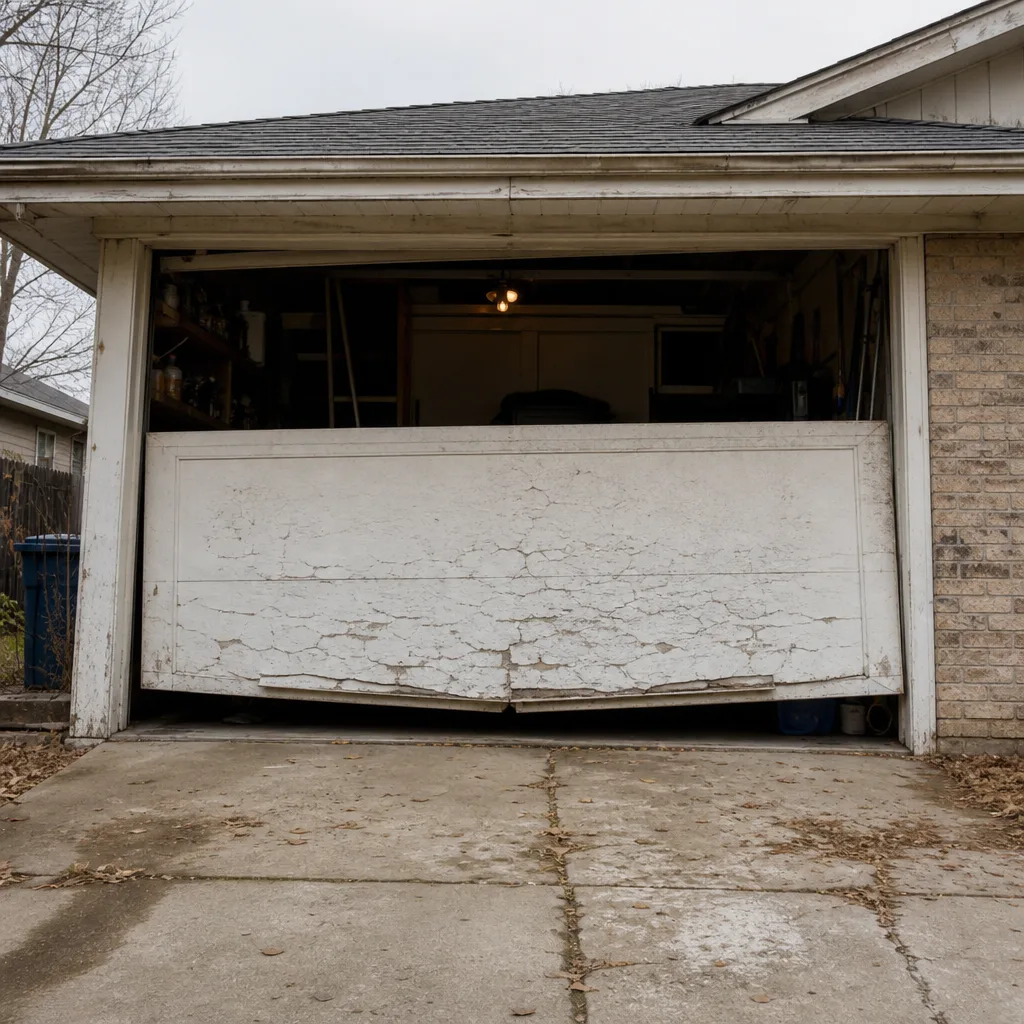 Before
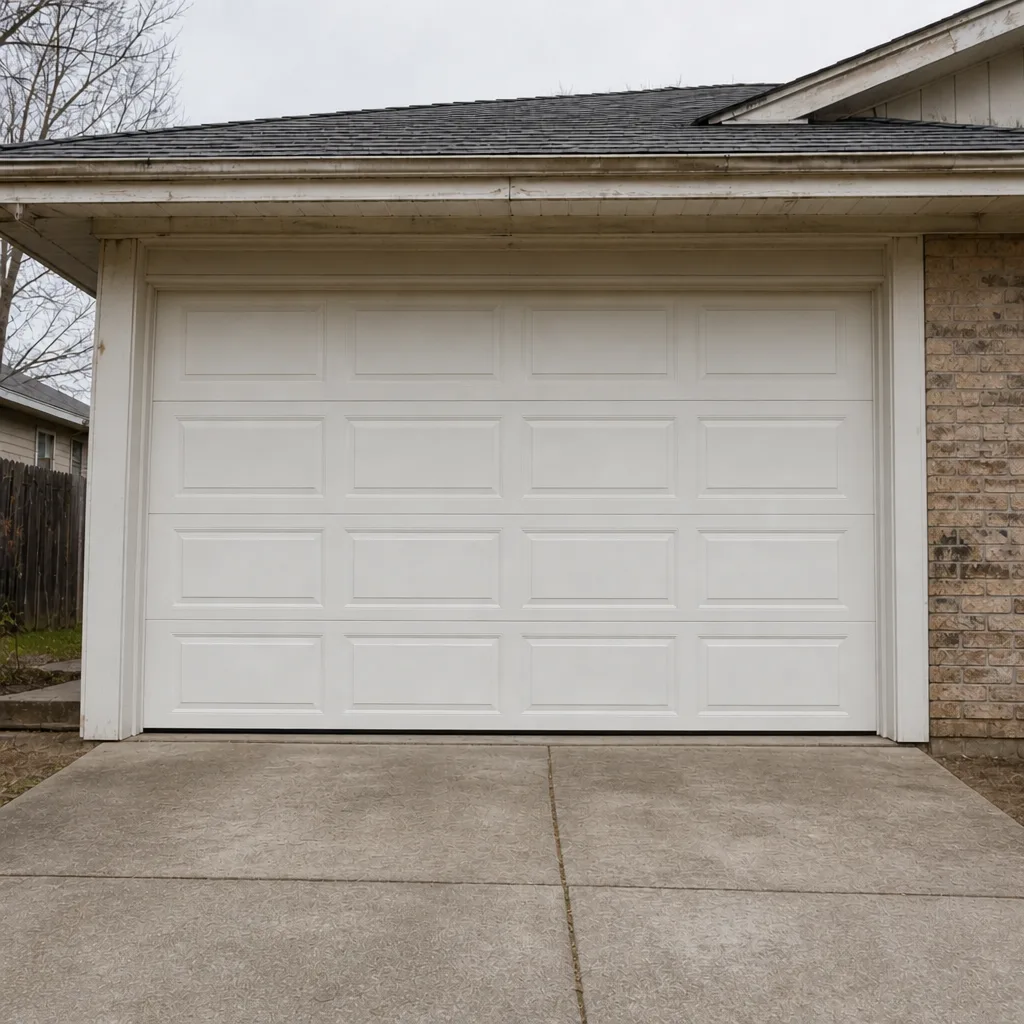 After
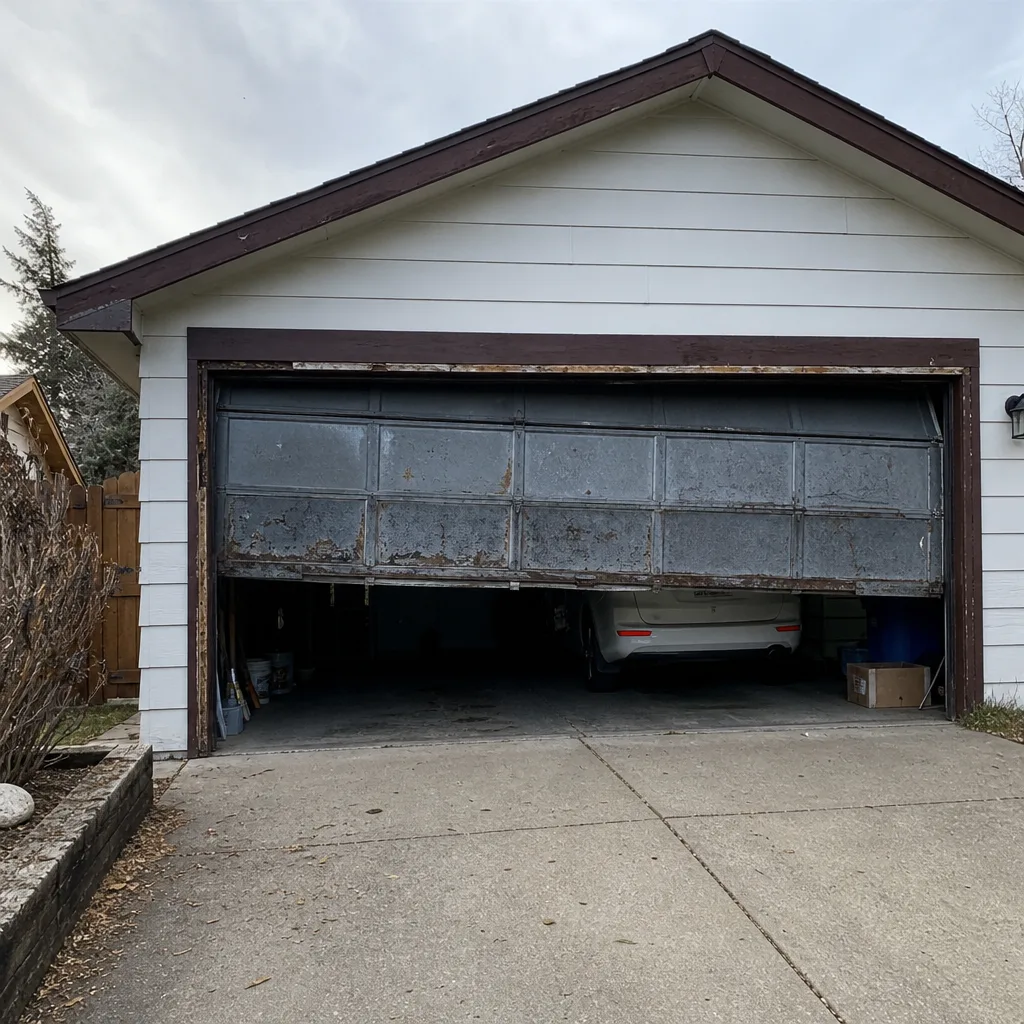 Before
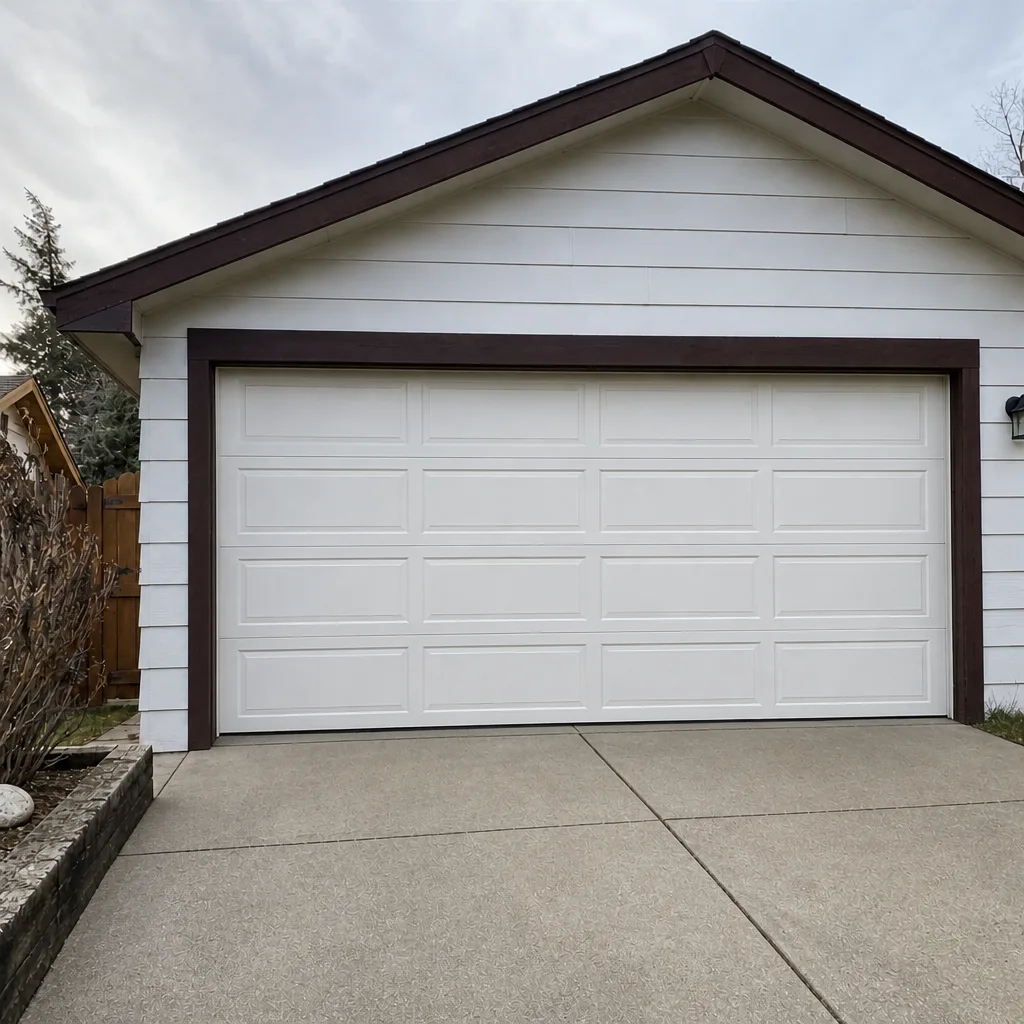 After
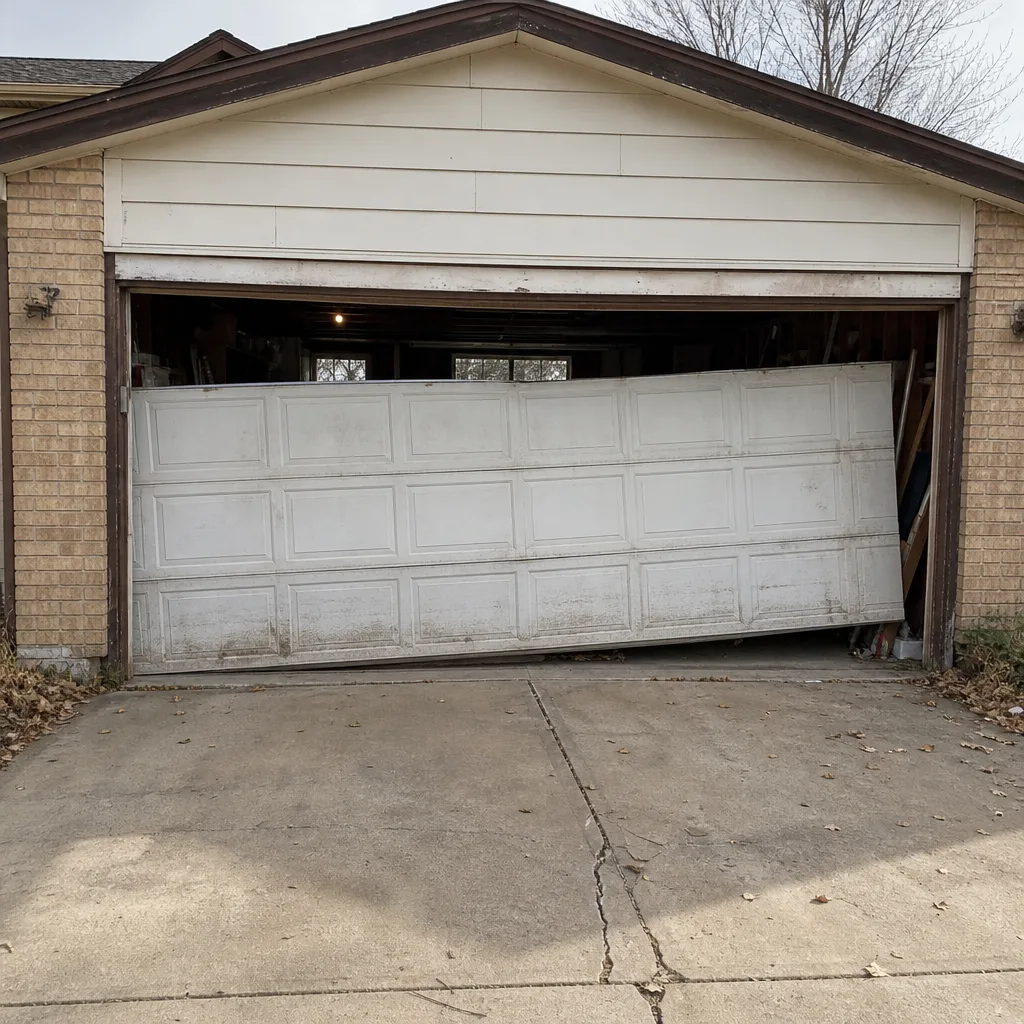 Before
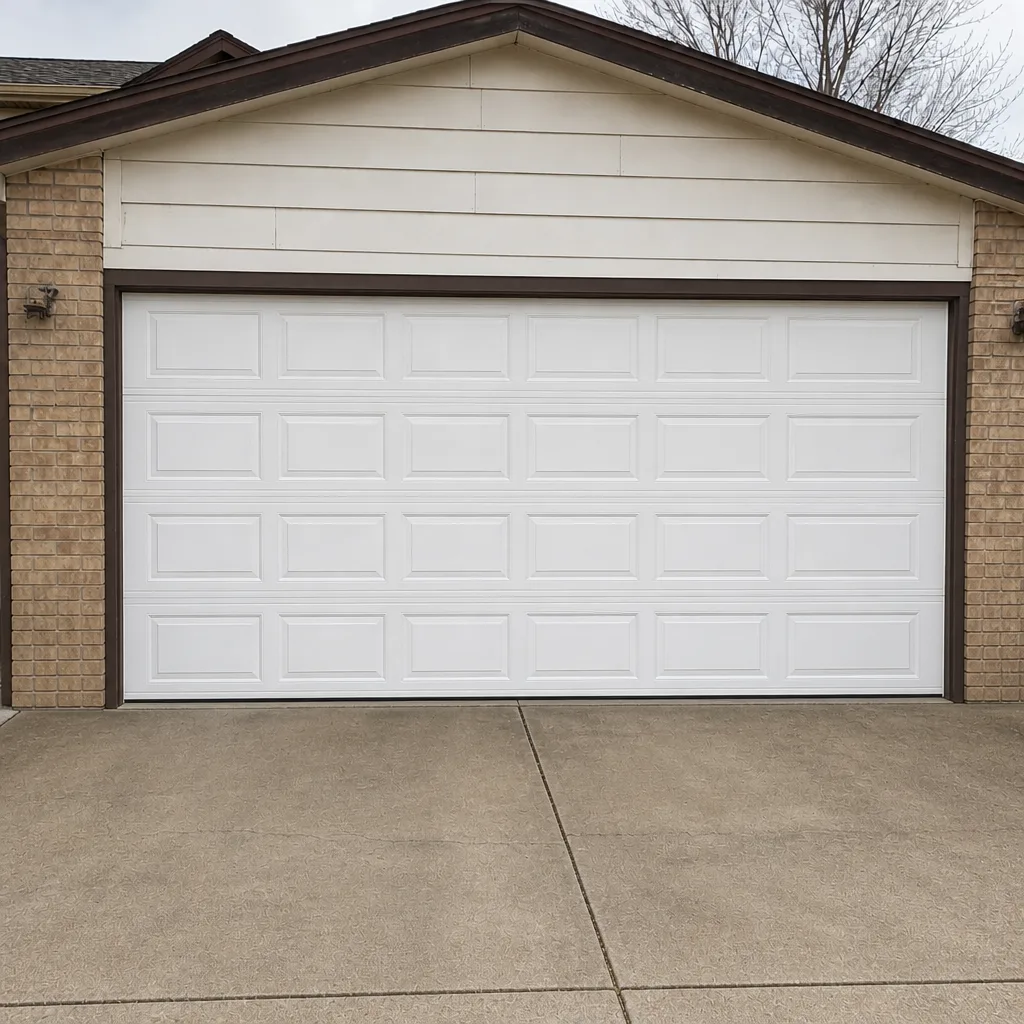 After
When to Call a Professional
Call a professional when a spring breaks, when the door comes off its track, when the cables go slack or the door hangs unevenly, when the opener runs but the door doesn’t move, or when the door won’t close and you can’t tell why. Also call when the door is over a decade old and you’re facing a repair that would cost half the price of a replacement. Those are the moments where a trained eye saves money rather than spending it.
Torsion springs, cables and bottom brackets are under tension strong enough to cause serious injury, and working on them without the right tools and training is genuinely dangerous. We don’t recommend it. We handle springs as an explicit part of what we do, and our technicians have up to 9 years of experience working on the major brands. Centennial Garage Door Repair Pros offers free estimates in Centennial – call (877) 542-4141. When it won’t open and you can’t wait, our emergency garage door service exists for exactly that call, not as an upsell on a routine job.
Frequently Asked Questions
A typical Centennial garage door replacement runs about $1,300 to $4,800 installed, depending on door size, material, insulation and whether an opener is part of the job. Add 20 to 40 percent if disposal, haul-away, permit fees or hardware changes apply and weren’t in the base quote. Call (877) 542-4141 for an exact quote – estimates are free.
Because four categories – disposal, haul-away, permit fees and hardware incompatibility – routinely sit outside the base quote and add 20 to 40 percent. The fix is to ask for each one in writing before work starts, and to confirm the written estimate sets the final price. Call (877) 542-4141 and we’ll walk you through what’s included.
A single torsion spring replacement typically costs $180 to $340 installed in Centennial. A matched pair is replaced together and costs about twice that, since a new spring next to a worn one leaves the door unbalanced. Call (877) 542-4141 for an exact quote – estimates are free.
We treat emergency garage door service as a core part of what we do, not an afterthought, and same-day service is available for doors that won’t open or won’t close. Call (877) 542-4141 and we’ll confirm timing and dispatch from 7am to 7pm. Estimates are free.
The written estimate sets the price. If a technician finds something that changes the scope – a bent track, a hardware mismatch, a permit that applies – you’ll be told before any additional work starts, and nothing proceeds until you approve it. Call (877) 542-4141 for a free estimate.
The local professional we connect you with is licensed and insured as their state requires, and every quote is agreed before work starts. We’re a garage-door-only specialty, which means the technician on your job works doors and openers all day, not a generalist. Call (877) 542-4141 – estimates are free.
The Bottom Line
The garage door number that matters isn’t the base quote. It’s the base quote plus the four categories most estimates leave out. Disposal, haul-away, permit fees and hardware incompatibility reliably add 20 to 40 percent, and the only way to keep your invoice in line with your estimate is to see them in writing first. Match spring cycle ratings and opener drive systems when you compare quotes, because a higher price on better specs can be the lower cost per year. At 10 years old, most Centennial doors are worth repairing; the math tips toward replacement closer to 15 to 20. And if a spring breaks, stop – that one is a call, not a project. One call covers it: repair, opener repair, spring repair, installation and emergency service.
Ready to see what your door actually needs? Call Centennial Garage Door Repair Pros at (877) 542-4141 for a free estimate. We work on your brand, we quote before we start, and the written estimate is the price.
Written by the team at Centennial Garage Door Repair Pros.