Last updated November 22, 2026
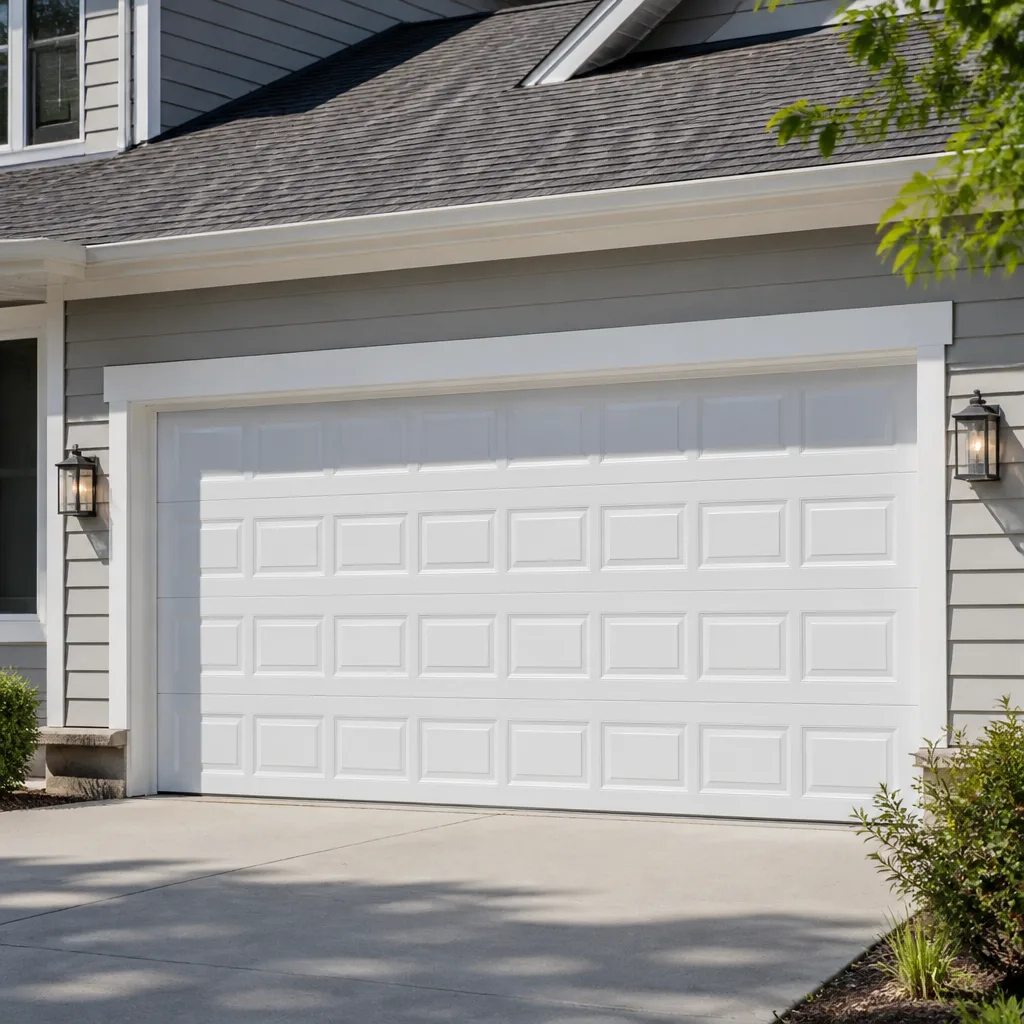 Raised-panel steel
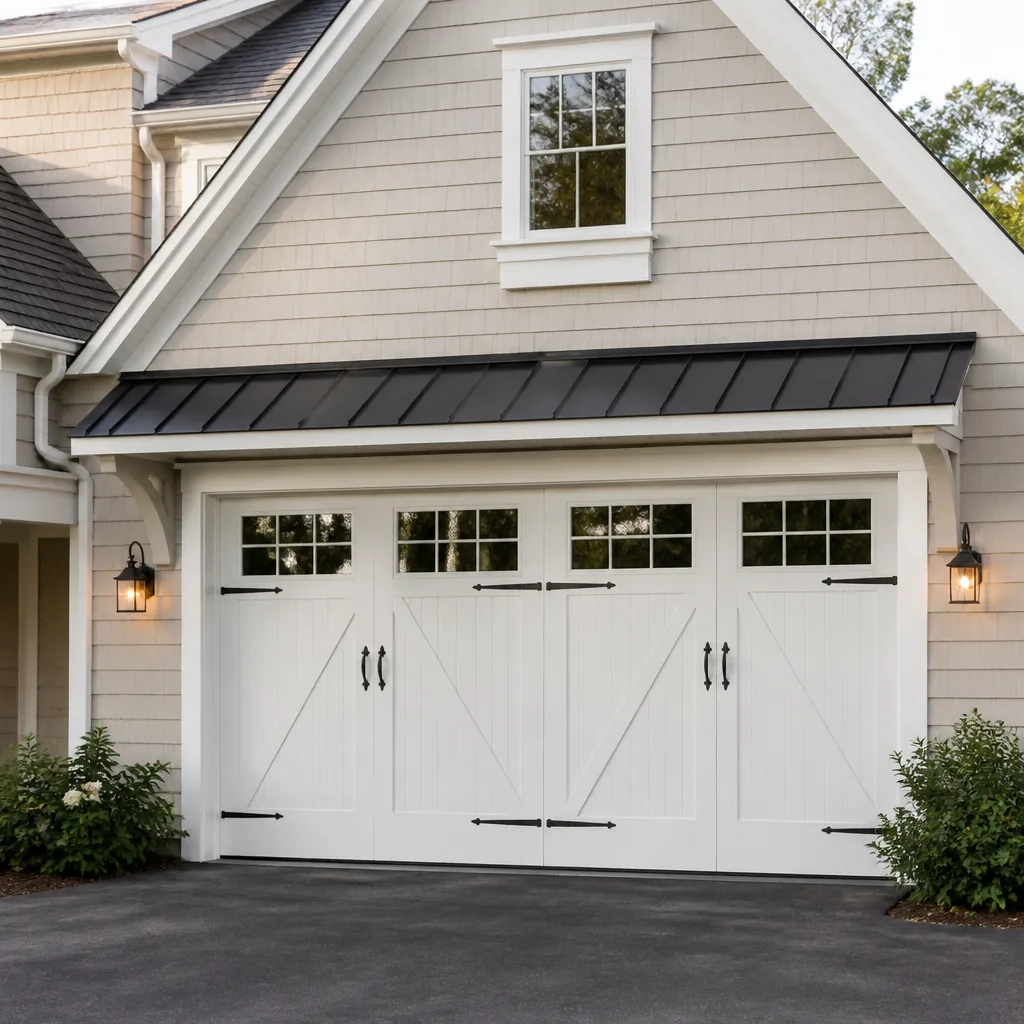 Carriage house
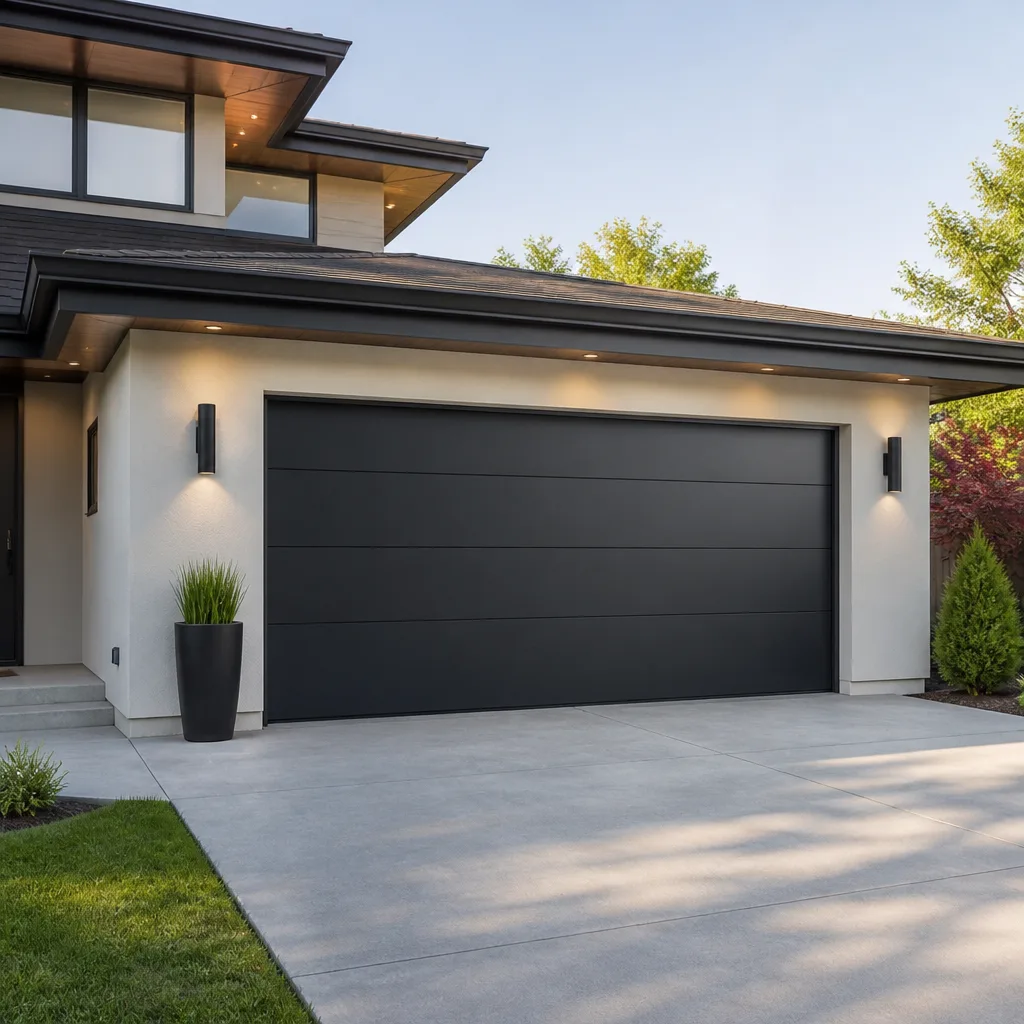 Modern flush
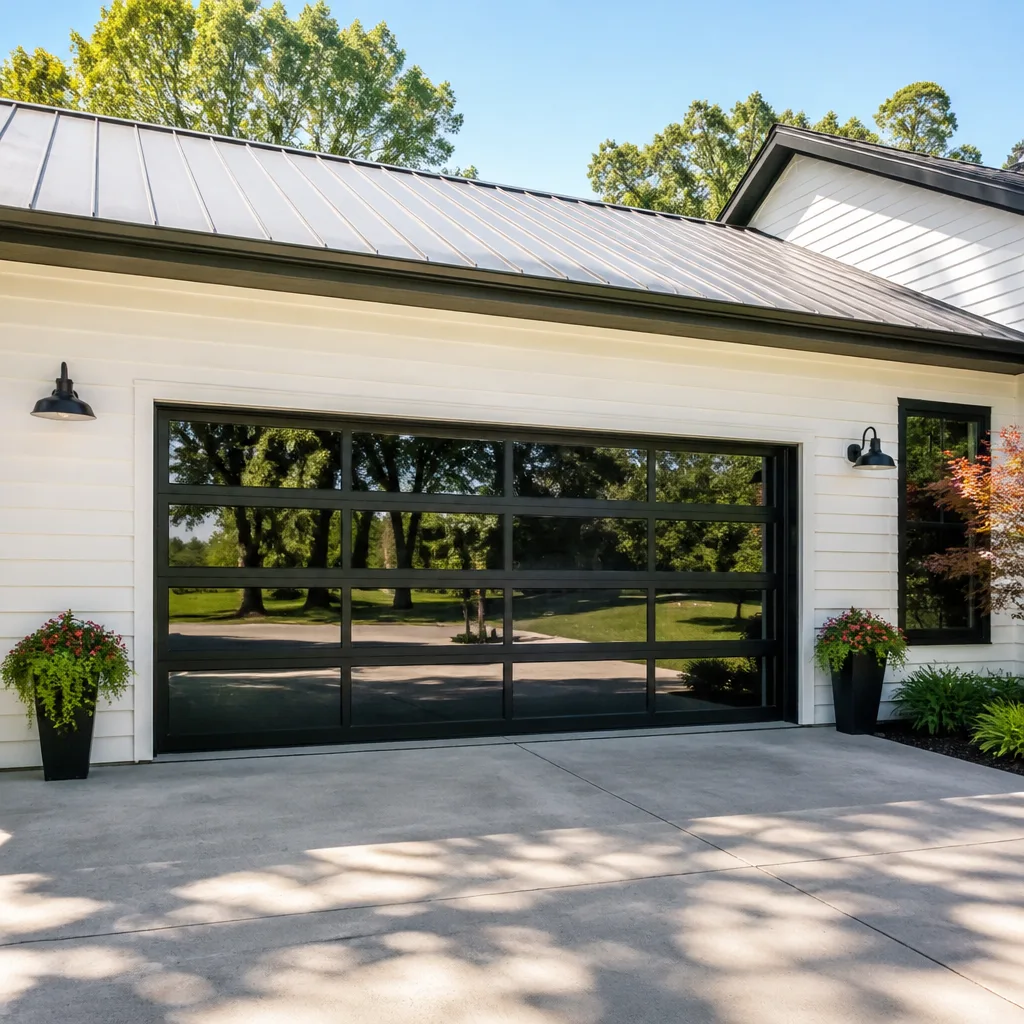 Full-view glass
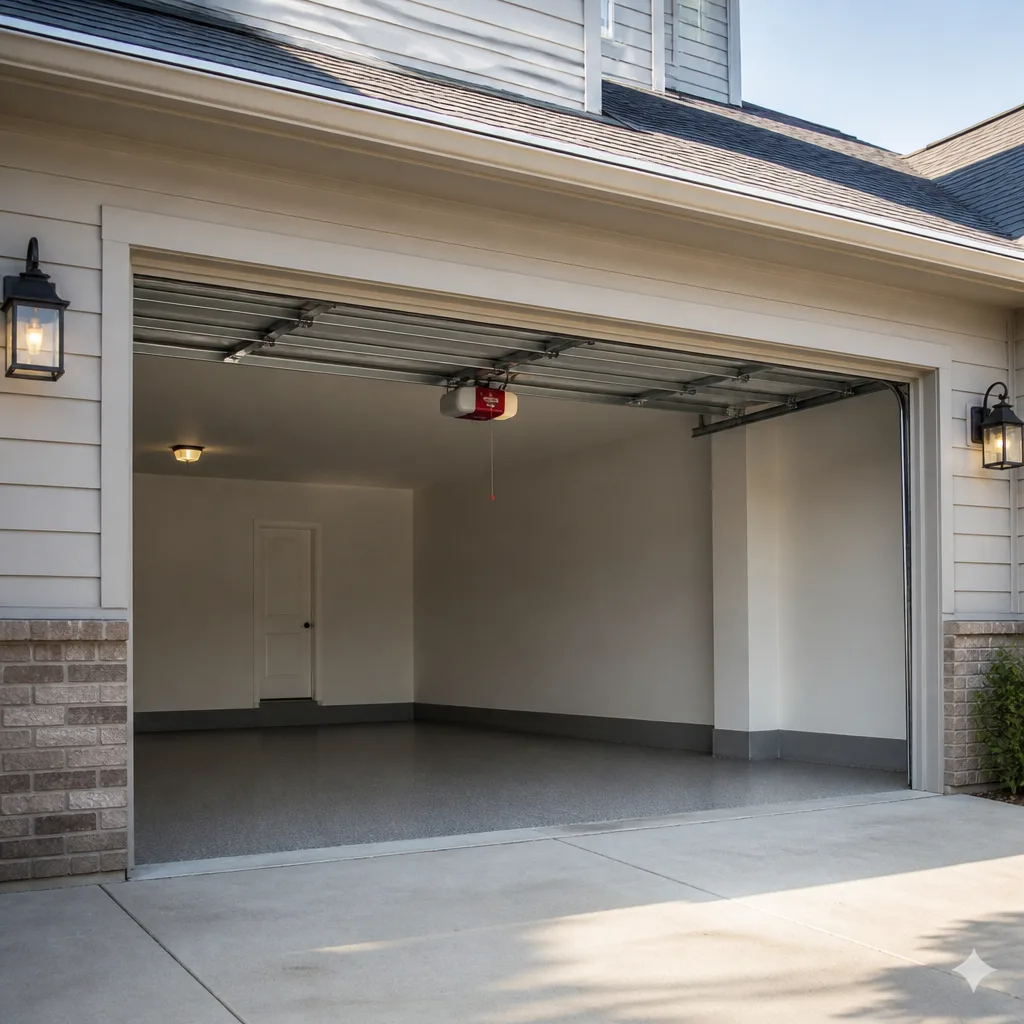 LiftMaster openers
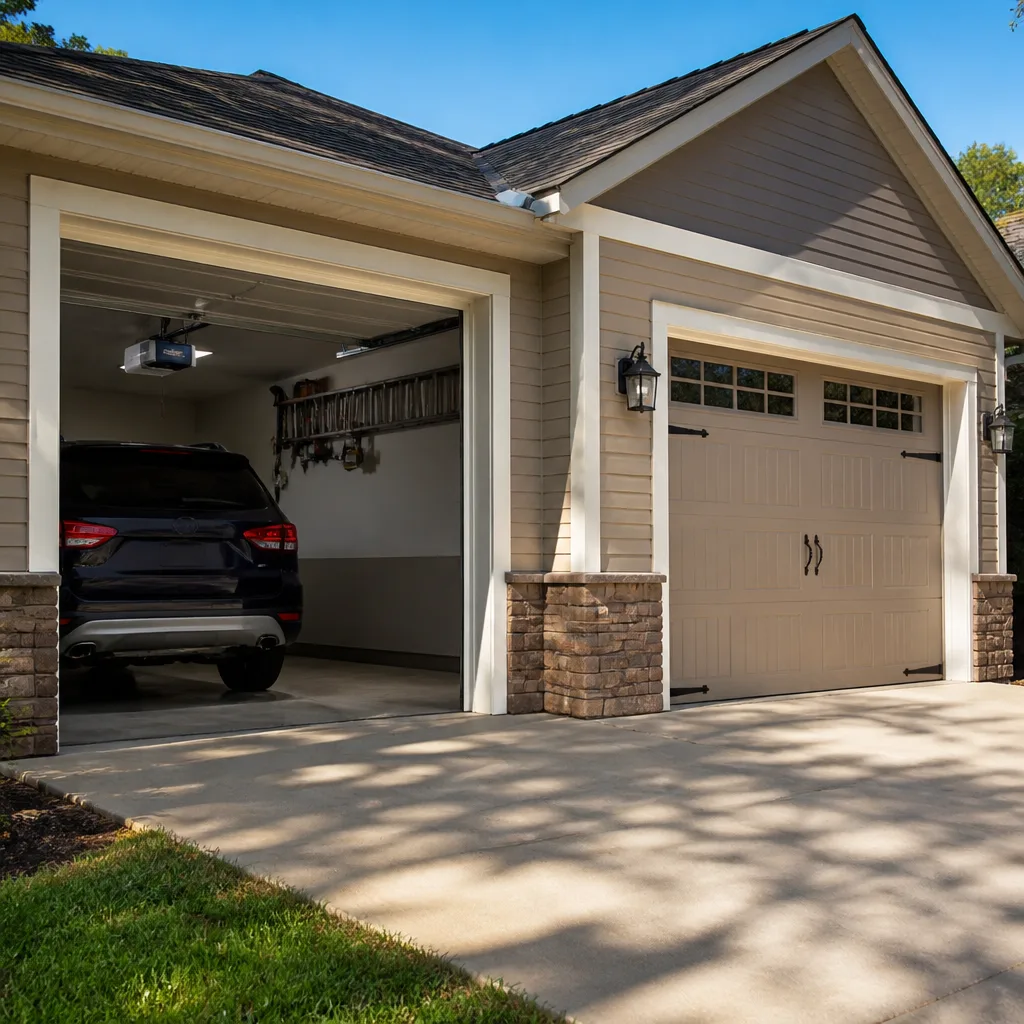 Chamberlain openers
Full 25-point door and opener safety check with every visit - springs, cables, rollers, tracks, and your LiftMaster or Chamberlain opener included
You get a price before we start. It does not change when the pro arrives.
Get your free estimateGarage Door Warning Signs: A Centennial Homeowner’s Reference Guide
Most homeowners think a garage door fails without warning. It doesn’t. A torsion spring that snaps usually spent days or weeks losing tension first, and the door told you so every time it moved a little slower or felt heavier than it used to. The problem is that nobody teaches you what “normal” looks like, so the early signals slide by. This guide is the reference we wish every Centennial homeowner had on the wall: the sounds, the feel of the door under hand, the wear marks on rollers and cables, and the one 30-second test that reveals spring trouble before it becomes a morning you can’t leave the house.
Quick Answer
The most reliable garage door warning signs are subtle: uneven resistance during a manual lift test, a scraping or popping sound that wasn’t there last month, a door that reverses on its own, visible cable fraying or roller flat spots, and daylight showing under the bottom seal. These signals usually appear weeks before a failure. If your door is hard to lift by hand, makes a popping noise, or reverses unexpectedly, stop using the opener and have it looked at the same day. Call (877) 542-4141 for a free estimate in Centennial.
Styles & brands we work with
- Raised-panel steel
- Carriage house
- Modern flush
- Full-view glass
- LiftMaster openers
- Chamberlain openers
Table of Contents
- The 30-Second Balance Test That Catches Spring Wear Early
- Sound Diagnostics: Scraping vs. Grinding vs. Popping
- Your Opener Is Telling You About Your Springs
- Visual Wear Checks You Can Do From the Garage Floor
- The Bottom Seal Gap Centennial Homeowners Mistake for Foundation Trouble
- Why Springs Are the Highest-Stakes Repair on Any Door
- How Colorado’s Hail, Sun, and Temperature Swings Age a Door
- Common Mistakes to Avoid
- When to Call a Professional
- Frequently Asked Questions
The 30-Second Balance Test That Catches Spring Wear Early
The balance test is the single most useful thing you can do for a garage door, and almost no homeowner knows it exists. Here’s the principle: the springs (and only the springs) are supposed to do the heavy lifting, so a properly balanced door should feel almost weightless when you move it by hand. If you have to bear weight to lift it or hold it back to lower it, the springs are tired or failing. That’s the signal that shows up weeks before a snap.
Here’s how to do it. This is a careful, non-emergency check, and it starts with no opener involved:
- Close the door fully and pull the red emergency release handle to disconnect the opener. On most LiftMaster and Wayne Dalton openers the release hangs from a cord on the trolley.
- Lift the door by hand slowly. You’re not doing a workout. Bring it to about waist height and let it settle.
- Stop and let go. A balanced door should hold roughly where you left it. It should not slam down, and it should not spring upward.
- Continue to about shoulder height and repeat. If the door drops from rest at one height but holds at another, you have an imbalance to report.
- Check the up-and-over force and the down force with your hands on the bottom rail, not on the panels. Never put your fingers between door sections.
- Reconnect the opener by lifting the door slightly and pulling the trolley back toward the operator.
What the test tells you: a door that feels heavy going up points to undersprung torsion or extension springs. A door that wants to fall from the open position means the springs are still too tight, which can happen after an adjustment or when a cable slips. Either way, the fix belongs to a specialist, not to you. The balance test is a diagnostic, not a repair step.
Sound Diagnostics: Scraping vs. Grinding vs. Popping
A door makes noise. Any door older than about a decade in Centennial is going to talk as the season changes. The trick is learning which noises are housekeeping and which are a same-day call.
Scraping
Scraping is usually the door panel or the bottom seal rubbing against the jamb or the floor. It often shows up after a temperature swing when a panel’s weatherstripping has dried out. Scraping on its own is usually scheduled maintenance, unless it suddenly got loud on one side, which can point to a bent track or a loose hinge. That’s worth a call now rather than later.
Grinding
Grinding is metal-on-metal: a roller with a flat spot rolling on a track with nicks, or a bearing starting to seize. Grinding usually gets louder over a week or two. It won’t strand you today, but it chews up the track, and eventually the door jumps the track at the worst possible time. Book it.
Popping
Popping is different from scraping and grinding because it’s a sudden, sharp sound, often when the door starts up or reaches the top. A pop can be a cable coming out of its drum, a spring starting to fail, or a hinge separating from the panel. Popping is the noise that gets a same-day service call, especially when it repeats every cycle. Call (877) 542-4141 and describe the sound; how it behaves on the first few cycles will tell us a lot over the phone.
Your Opener Is Telling You About Your Springs
Here’s the counterintuitive part: when a garage door reverses unexpectedly or strains going up, most homeowners blame the opener. Nine times out of ten, in our experience, the opener is doing exactly what it’s designed to do, which is stop and reverse when it detects resistance. The resistance is coming from the door itself, almost always from tired or failing springs.
The diagnostic pattern looks like this:
- Door reverses on the way up, then works again after a pause. Classic spring tension problem, especially if it happens more when it’s cold. The opener senses more load than it expects and reverses.
- Door strains and the opener sounds like it’s working harder than it used to. The motor is compensating for a heavy door. A LiftMaster or Chamberlain opener with modern force sensing will do this quietly at first. A Craftsman or Raynor unit may simply get louder.
- Door reverses a few inches off the floor then reseats. Usually a photo-eye or alignment issue, not a spring issue. Check that the two safety sensors at the door base are facing each other and nothing blocks the beam.
- Door reverses for no visible reason and the opener light blinks a count. Most openers use a blink code. Grab the manual and count the blinks; that code tells you whether the problem is a sensor, a limit setting, or force.
The bottom line on opener behavior: don’t replace the opener until you’ve ruled out the door. We cover this in detail on our garage door opener repair page, because the mistake is common and expensive. If the door is heaviest in cold weather, the springs are the suspect. If the opener misbehaves on both a light and a heavy day, it’s probably the opener.
Visual Wear Checks You Can Do From the Garage Floor
You don’t need a ladder and you don’t need to touch anything dangerous. A flashlight and a few minutes scanning the door from the floor catches most of the early wear. Here’s what to look for, in order:
Rollers
Look at the wheels where the door meets the track. A healthy roller is round and rolls smoothly with light finger pressure on the door (not the roller itself). A flat spot, a chipped roller, or visible cracking on a plastic roller means replacement time. Worn rollers are one of the cheapest fixes on a door and the most neglected.
Cables
Look at the two cables that run from the bottom corners up along the sides. A healthy cable is clean and taut, running straight. What you want to see is none of this: frayed strands, a bird’s nest look, kinks, or rust bleeding through the strands. Any of those means the cable is on its way out and a snapped cable can whip. Don’t touch frayed cables. Call.
Bottom brackets
The bottom brackets are the metal plates at the very bottom corners that hold the cable and the bottom panel together. Look for cracks, rust at the fasteners, or visible deformation. This is under load, so don’t loosen anything to check. Just look.
Hinges and panels
A creased panel near a hinge means impact or track misalignment. A hinge with a loose screw means the panel is taking stress. Tighten the screw with a screwdriver if it’s easily accessible. If a panel is creased, plan for garage door repair rather than living with it.
Those four checks take about five minutes and rule out most of the failures we see on Centennial doors.
The Bottom Seal Gap Centennial Homeowners Mistake for Foundation Trouble
This is the sign we get called about most often that turns out to be something else entirely. A homeowner sees a thin strip of light under the closed door or feels a draft, and assumes the garage floor has settled or the foundation is shifting. In our experience, in Centennial, the culprit is almost always bottom seal compression loss, not the slab.
Here’s what’s happening. The rubber or vinyl bottom seal is designed to compress against the floor and create a dead air gap. Over a few winters of Colorado temperature swings, the seal hardens, flattens, and loses its profile. It stops springing back. The gap you see is the door sitting a quarter inch higher than the seal can reach.
How to tell the difference:
- Light gap is even across the length. That’s a bottom seal that’s lost its compression.
- Light gap is high on one side. That’s often a door that came out of alignment, a cable with extra slack, or a bent track on that side.
- Gap is only in one spot. A crack or low point in the slab, or a torn seal.
- Draft under the door but no visible gap. Seal is compressed but not sealing. Also replacement territory.
A bottom seal replacement is a routine job and worth doing before the summer heat and fall cold cycle it further. It also keeps water, insects, and small wildlife out, which matters in neighborhoods around Cherry Creek State Park and the open space corridors that run through Centennial.
Why Springs Are the Highest-Stakes Repair on Any Door
We say this to every customer: springs are the highest-stakes repair on any garage door. A torsion spring stores enough energy to move a door weighing several hundred pounds, and that energy doesn’t care who’s holding the winding bars. Extension springs, common on older doors, carry the same risk in a different geometry. In our experience, spring failure is also the most common garage door failure, which is why we offer spring repair as a named service and don’t treat it as an afterthought.
The safety line is simple. Winding, unwinding, or adjusting a torsion spring is not a homeowner repair. It’s not a careful DIY project with a YouTube video. It’s a job for someone trained to do it, with the right winding bars and a plan for what happens if the spring lets go. Same for cutting or retensioning a cable, and same for working anything upstream of a bottom bracket.
What you can do safely:
- Run the manual balance test described earlier in this guide.
- Watch and listen for the warning signs we’ve covered, and note when they change.
- Check the photo-eye alignment at the door base.
- Test the auto-reverse on the bottom: place a 2×4 flat on the floor in the door’s path and confirm the door reverses on contact. If it doesn’t, the opener’s force setting needs attention now.
- Keep the tracks clear of debris and don’t lubricate the tracks themselves; the rollers get a garage-door lubricant, the tracks stay dry.
If any of those checks turns up an issue, don’t push the opener through it. Back the door off and call. For a broken spring there’s no “wait until next week” version of this. See our Centennial Garage Door Repair Pros service overview to understand how spring repair fits with opener and door work under one call.
How Colorado’s Hail, Sun, and Temperature Swings Age a Door
Doors in Centennial live a specific life. The combination of intense Front Range sun, hailstorms that show up in the spring and summer, and temperature swings from the teens to the nineties across the year changes what fails and when.
The sun does quiet damage to the west-facing side of a door. Paint fades and chalks, wood components dry and check, and the lubrication you applied in the spring has cooked off by July. That’s when we see the most grinding calls, not because something failed but because the rollers are running dry on a hot rail. A single-lubrication cadence for late spring prevents most of it.
Hail dents panels and occasionally bends a track where a panel edge meets it. A dented panel isn’t usually a function problem, but a bent track is. If the door stutters as it passes a specific height, look at the tracks first.
Cold snaps are the classic spring failure window. Springs that have been slowly losing tension through the fall feel fine on a mild day, then the door doesn’t want to lift on the first really cold morning. That’s the late-arriving warning sign from the balance test catching up. If you’ve been meaning to do the test, do it before the first real freeze, not after.
Centennial’s neighborhoods make the lighting side of the visual checks easy. The open space and trail corridors around the city give most driveways a clear side view of the door as you pull in. Train yourself to glance at it once a week as you drive up. That habit alone catches most visual wear signs long before they cause a problem.
See the difference
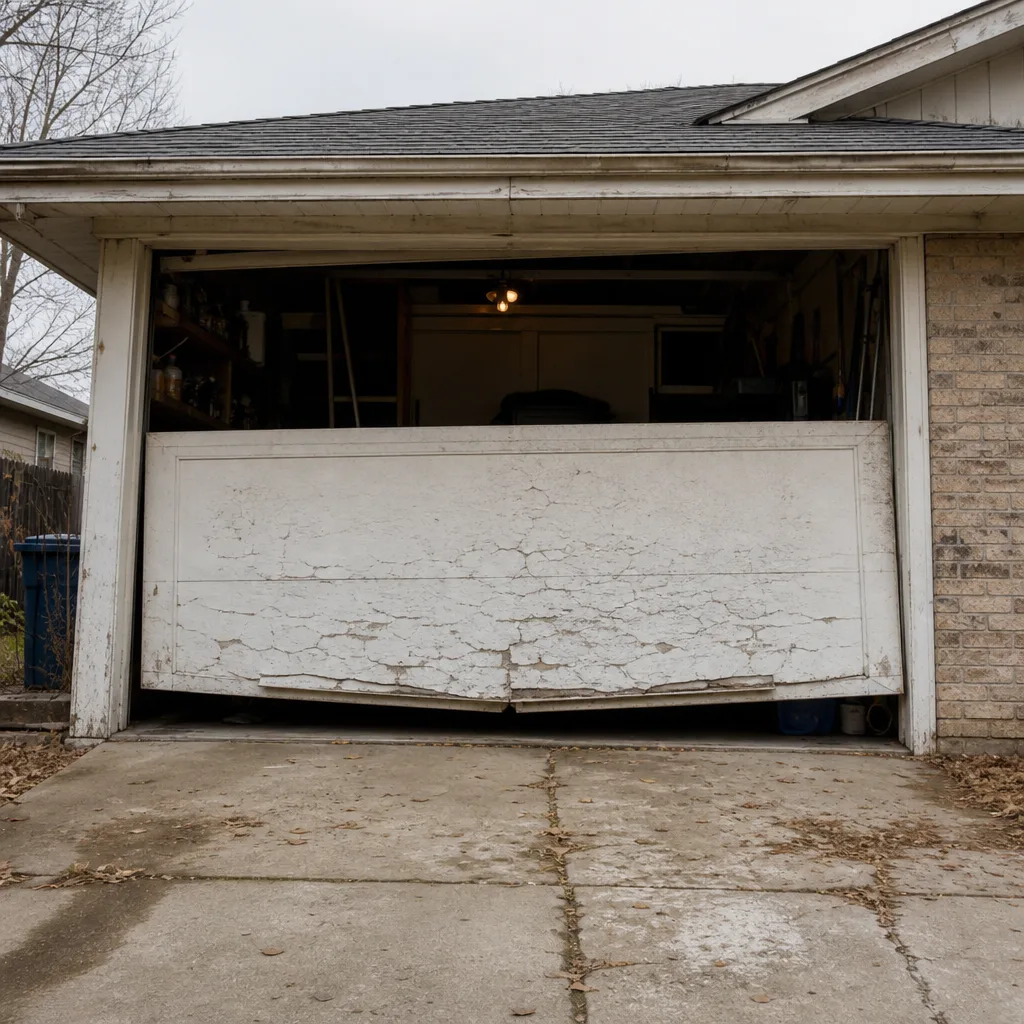 Before
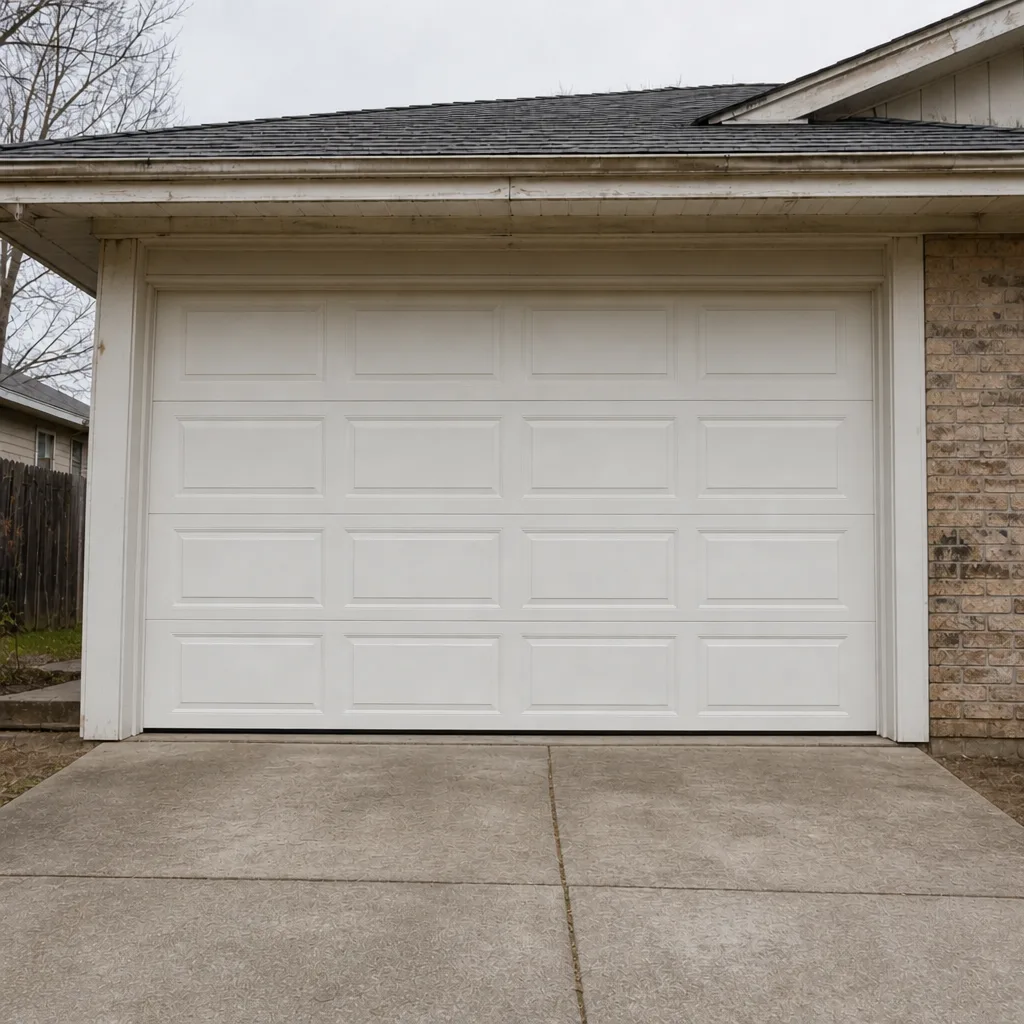 After
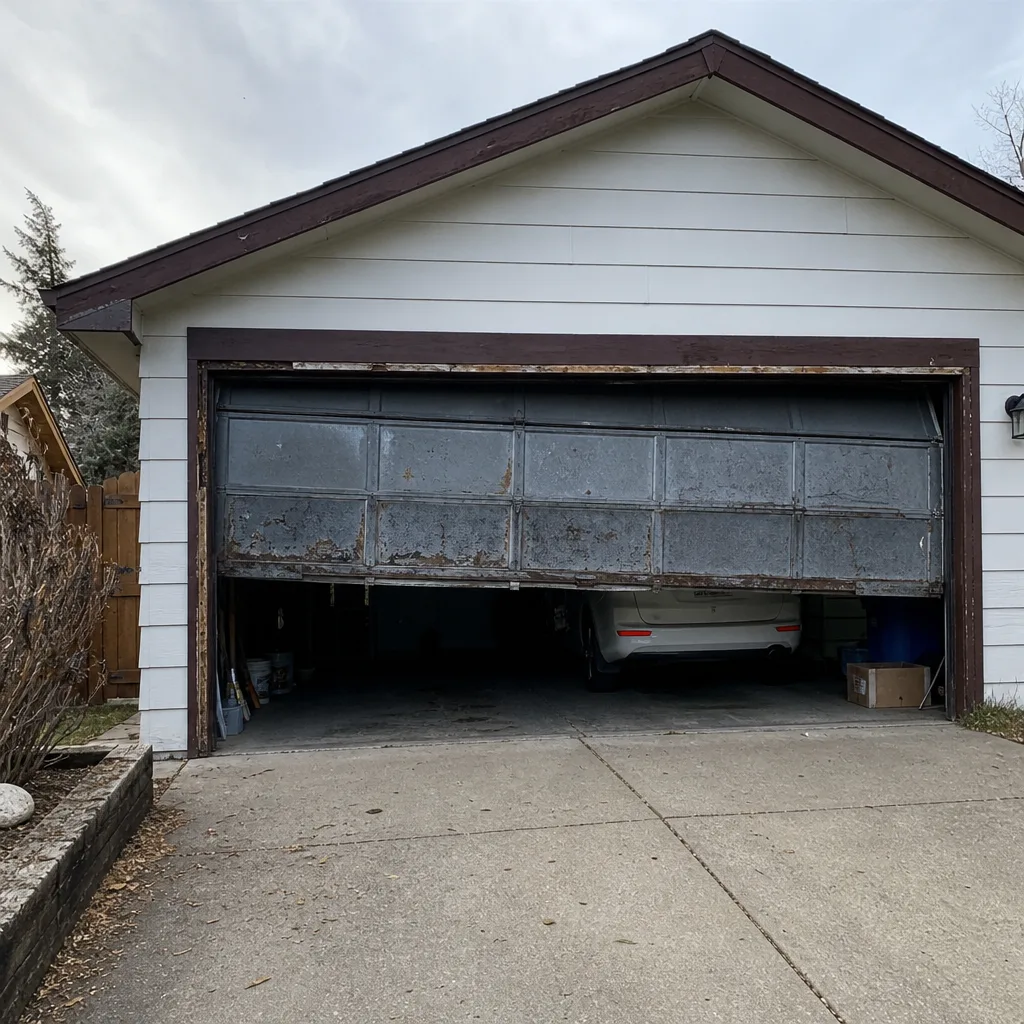 Before
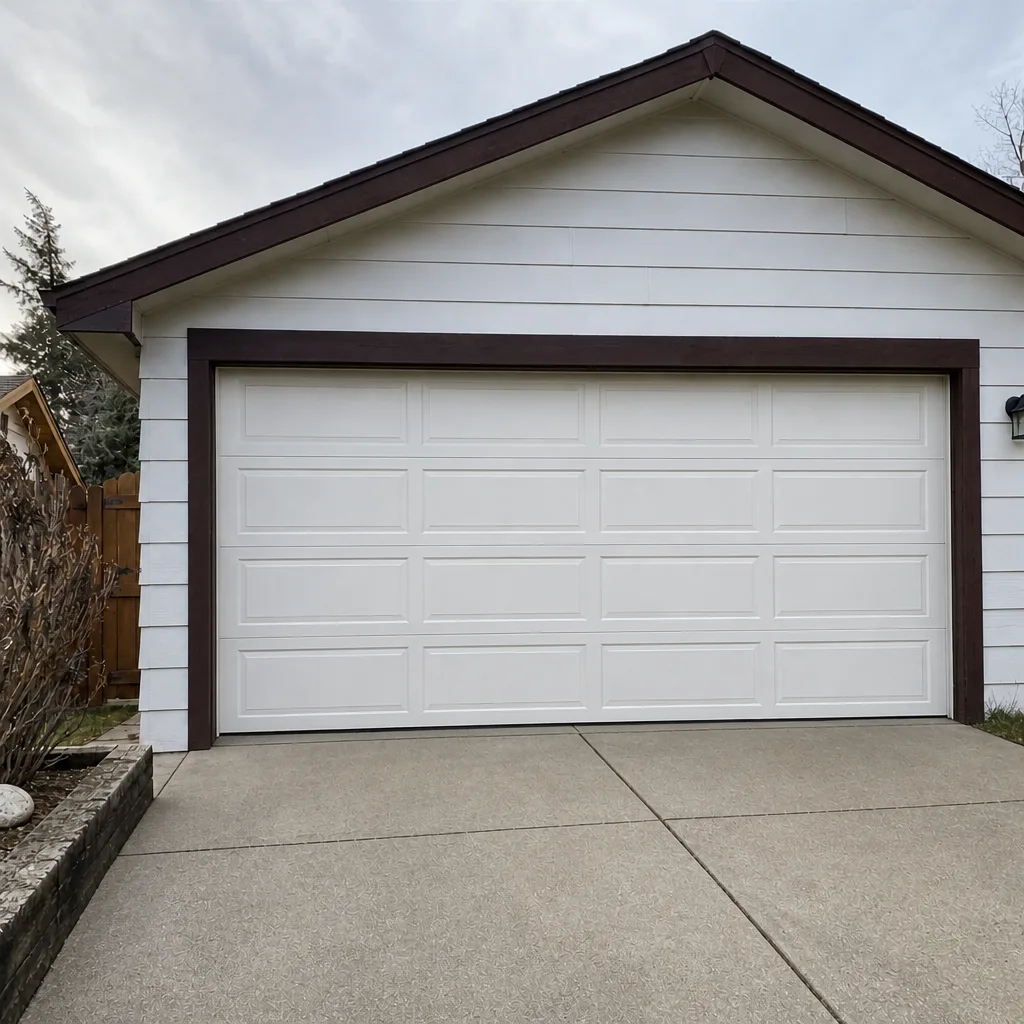 After
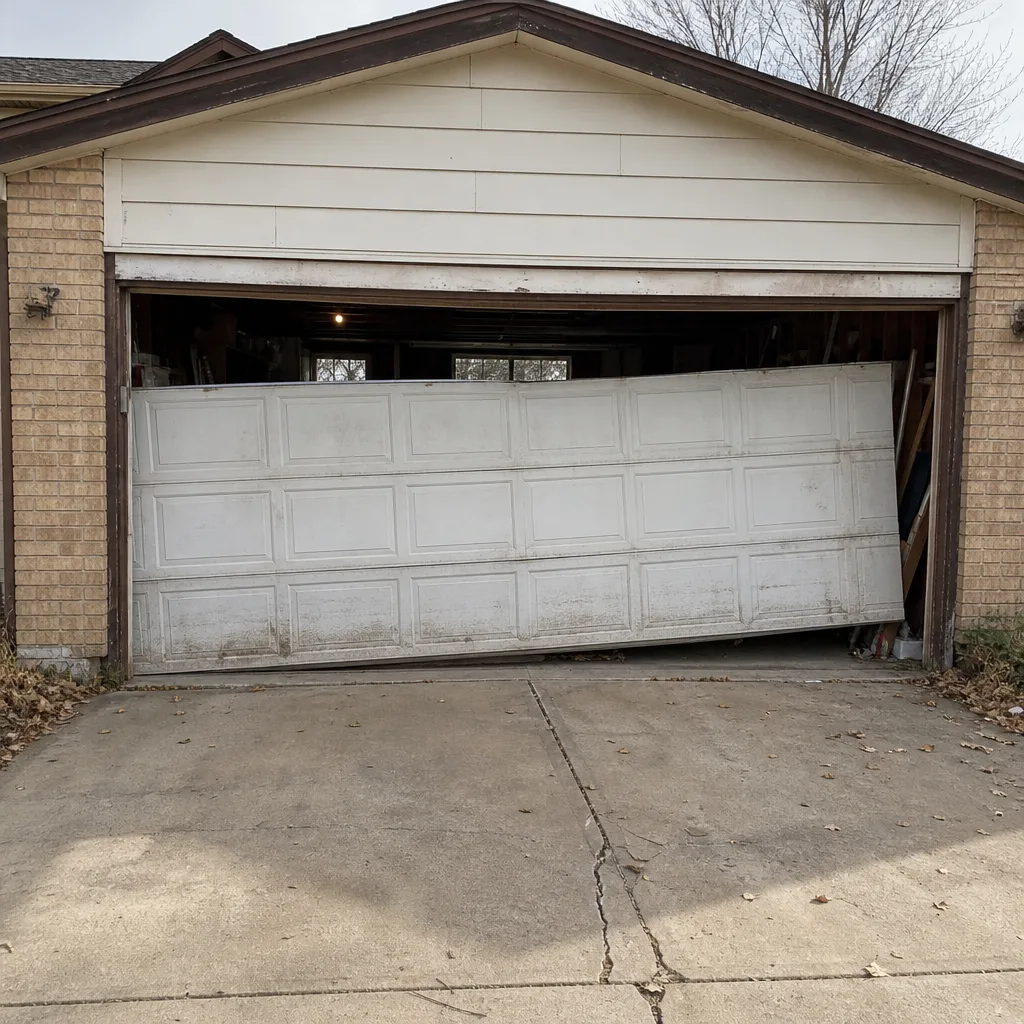 Before
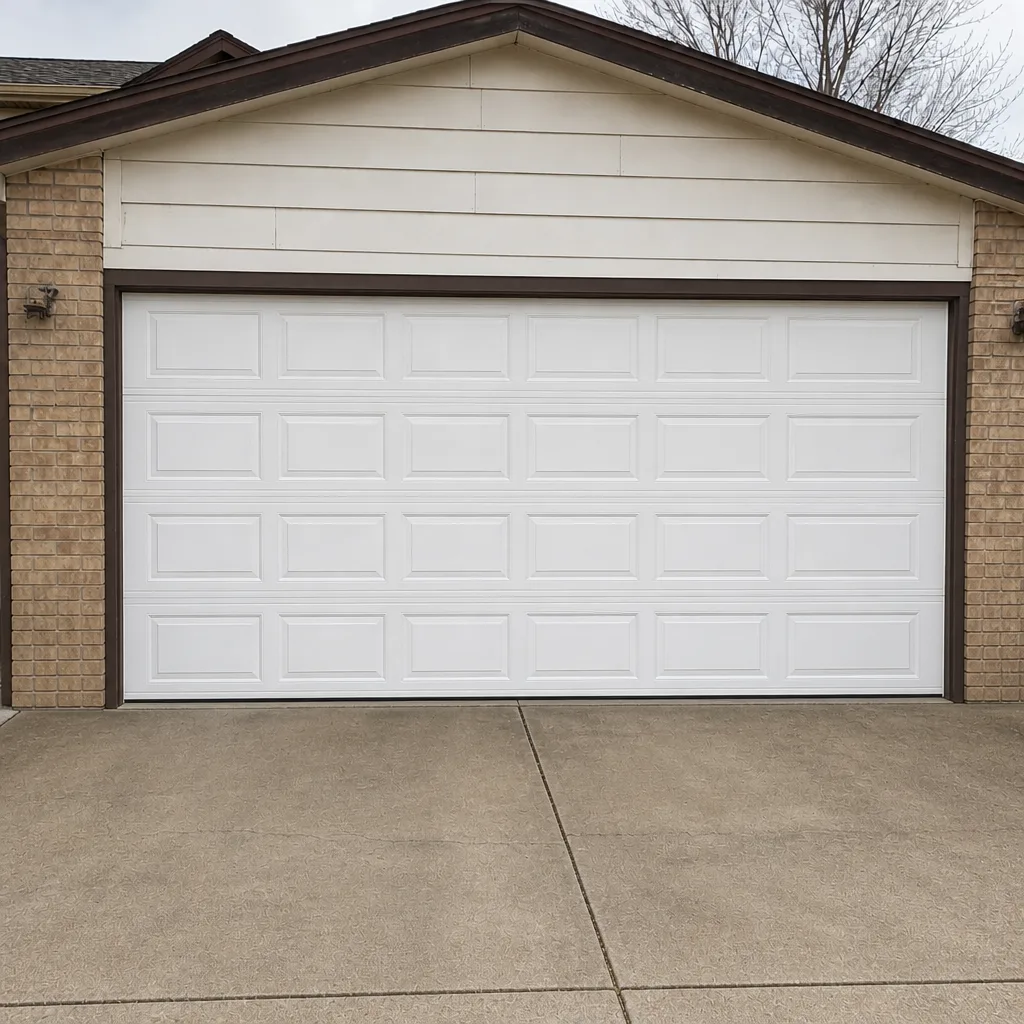 After
Common Mistakes to Avoid
- Replacing a LiftMaster or Chamberlain opener when the door itself is the problem. A door that reverses or strains is usually fighting weak springs, not a failing motor. Diagnose the door first; replace the opener only after the door is ruled out.
- Ignoring the balance test because the door “still works.” Working and balanced are different things. A door that lifts with effort is already using up spring life and adding wear to the opener.
- Treating a bottom seal gap as a foundation problem. Most of the daylight under a Centennial door is a compressed rubber seal, not a slab problem. A $30-part replacement is a lot cheaper than a structural inspection.
- Winding a torsion spring on a weekend because the video made it look manageable. This is the mistake that sends people to the emergency room. Spring work is a trained-technician job, full stop.
- Lubricating the tracks. Grease on the tracks collects dust and grit and makes the door slip and drag. Lubricate the rollers, hinges, and spring, and leave the tracks clean and dry.
- Pushing a reversing door by holding the button. If the opener is reversing, it’s protecting the door and the mechanism. Holding the wall button to force it defeats the safety and can snap a cable or spring.
- Waiting on a scraping sound that “has been there forever.” Scraping that hasn’t changed in years is probably cosmetic. Scraping that got louder or changed sides in the last week is a call.
When to Call a Professional
Call us the same day if you see any of these: a frayed, kinked, or bird-nested cable; a door that reverses for no visible reason; a popping sound on the first or second cycle; a door that’s heavy enough in the balance test that you have to bear real weight to lift it; or a broken spring. Same-day for a spring problem isn’t really optional, because the door is unsafe to cycle and the opener will keep trying. We offer emergency garage door service as a core part of what we do, so a door that won’t open in the morning or won’t close at night is exactly the call we plan for. Our technicians have up to 9 years of experience, and we work on the door in front of us, not the one we’d prefer to sell you. If your springs check out but the opener is misbehaving, see our opener page for the diagnosis path.
Centennial Garage Door Repair Pros offers free estimates in Centennial – call (877) 542-4141. When we quote a job, the written price is the price. The estimate is quoted and agreed before any work starts.
Frequently Asked Questions
The most reliable test is the manual balance test: disconnect the opener, lift the door by hand, and see whether it holds its position. A balanced door feels almost weightless and stays where you leave it. A door that feels heavy or wants to fall open signals weak springs. Add in a popping sound, a door that reverses unexpectedly, or a door that strains on cold mornings and you have a strong case for a professional spring inspection. Call (877) 542-4141 for a free estimate.
A scraping noise usually means the door panel or bottom seal is rubbing the jamb or floor, often after temperature shifts dry out the weatherstripping. Scraping that’s been steady and unchanged is usually routine maintenance. Scraping that suddenly got louder or shifted to one side points to a bent track or a loose hinge and warrants a call. Grinding means metal-on-metal and should be booked. Popping is the one that gets a same-day visit.
Most likely the springs. An opener reverses because it senses more resistance than it expects, and the resistance in a reversing door is usually weak springs, not a failing motor. A photo-eye alignment issue can cause the same symptom, so check the two small sensors at the door base before anything else. If the sensors are lined up and the door still reverses, treat it as a spring problem and have it looked at. Call (877) 542-4141.
Spring repair in Centennial typically runs $180 to $340 per spring, and most doors use a matched pair, so a pair runs about twice that. The range depends on torsion versus extension springs, the door’s weight, and whether any other parts need attention. We don’t quote final numbers over the phone; we inspect the door, give you a written estimate, and agree on it before any work starts. Estimates are free. Call (877) 542-4141 for an exact quote.
Yes, in most cases. A door that won’t close is a security and weather problem, and we treat it as an emergency call rather than a next-week appointment. Call with as much detail as you can (what the door does, what it sounds like, what the opener light does) and we’ll get you booked. Call (877) 542-4141.
Almost never, in our experience in Centennial. A thin, even strip of daylight across the bottom of the door is usually a compressed or hardened bottom seal rather than a shifting slab. Uneven gaps on one side specifically point to door misalignment. Either way, a bottom seal replacement is a routine job and worth doing before the next heating and cooling cycle makes it worse. Call (877) 542-4141 for a free assessment.
The Bottom Line
The warning signs that save money are not the dramatic ones. They’re the quiet ones: a door that’s heavier than it was last month, a sound that changed, a bottom seal that’s gone flat, a cable that looks just a little fuzzy. Learn your door’s baseline, run the balance test once a season, and do the floor-level visual checks every few weeks. When the test or the sound or the visual check turns up something, don’t push the door through it. For spring work, cable work, or a door that reverses and won’t behave, call a specialist rather than turning to a generalist. If you’re considering a new door rather than a repair, see our garage door installation page for what that process looks like in a Centennial home. And when you need us, (877) 542-4141 is the number for a free estimate.
Written by the team at Centennial Garage Door Repair Pros.