Last updated November 22, 2026
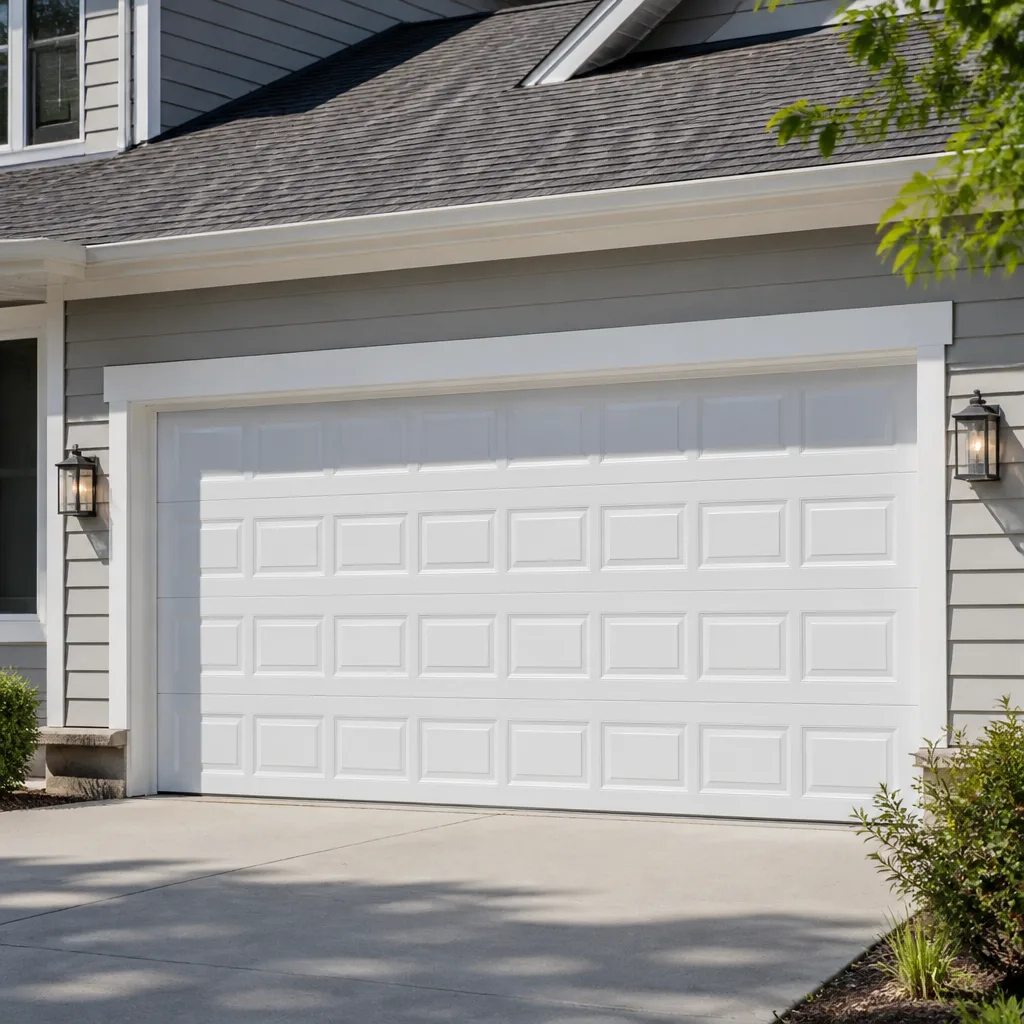 Raised-panel steel
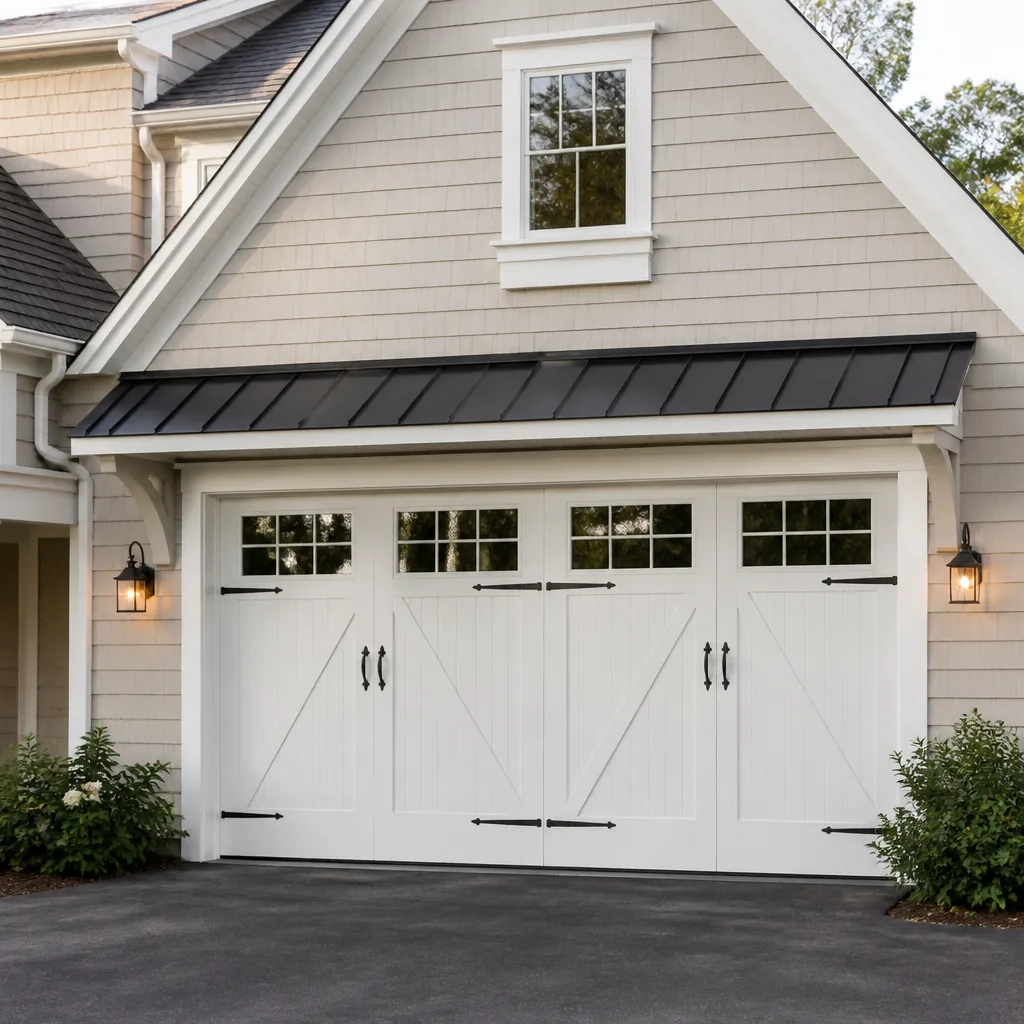 Carriage house
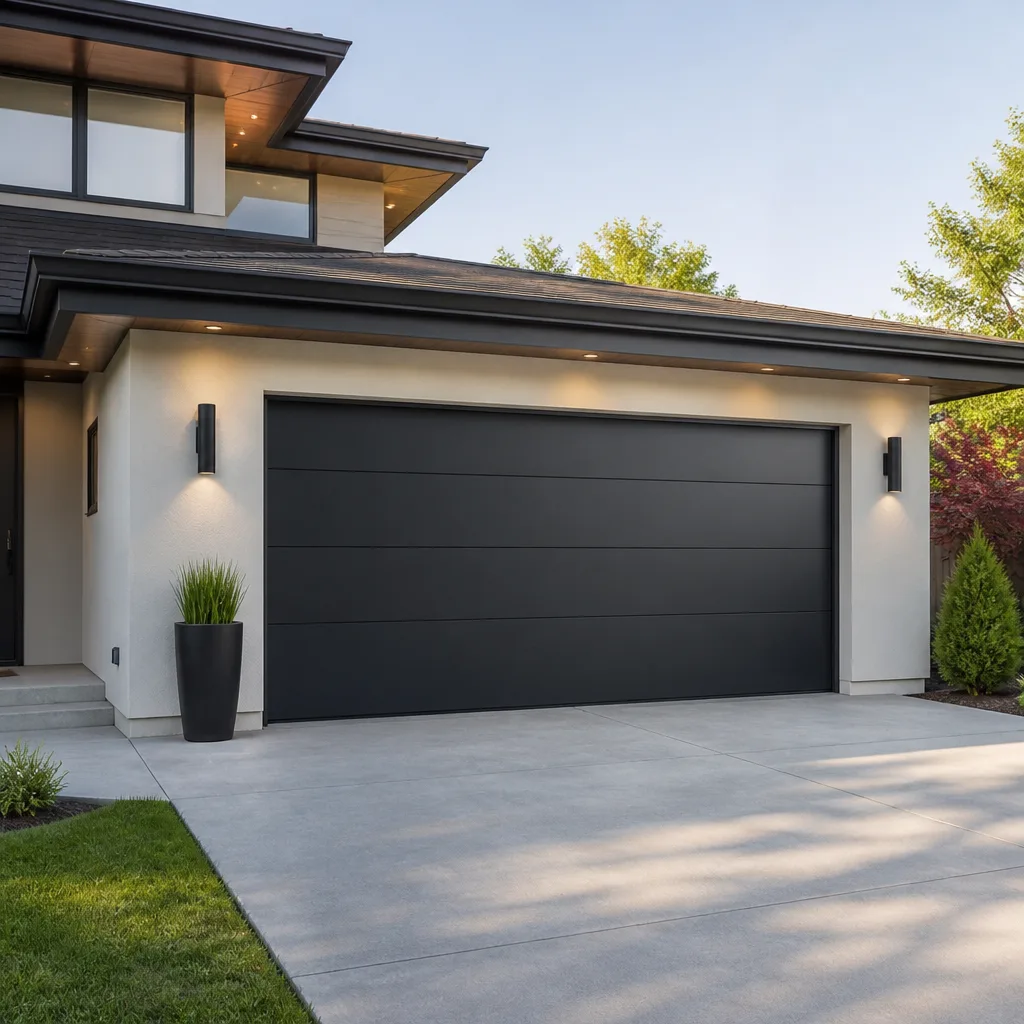 Modern flush
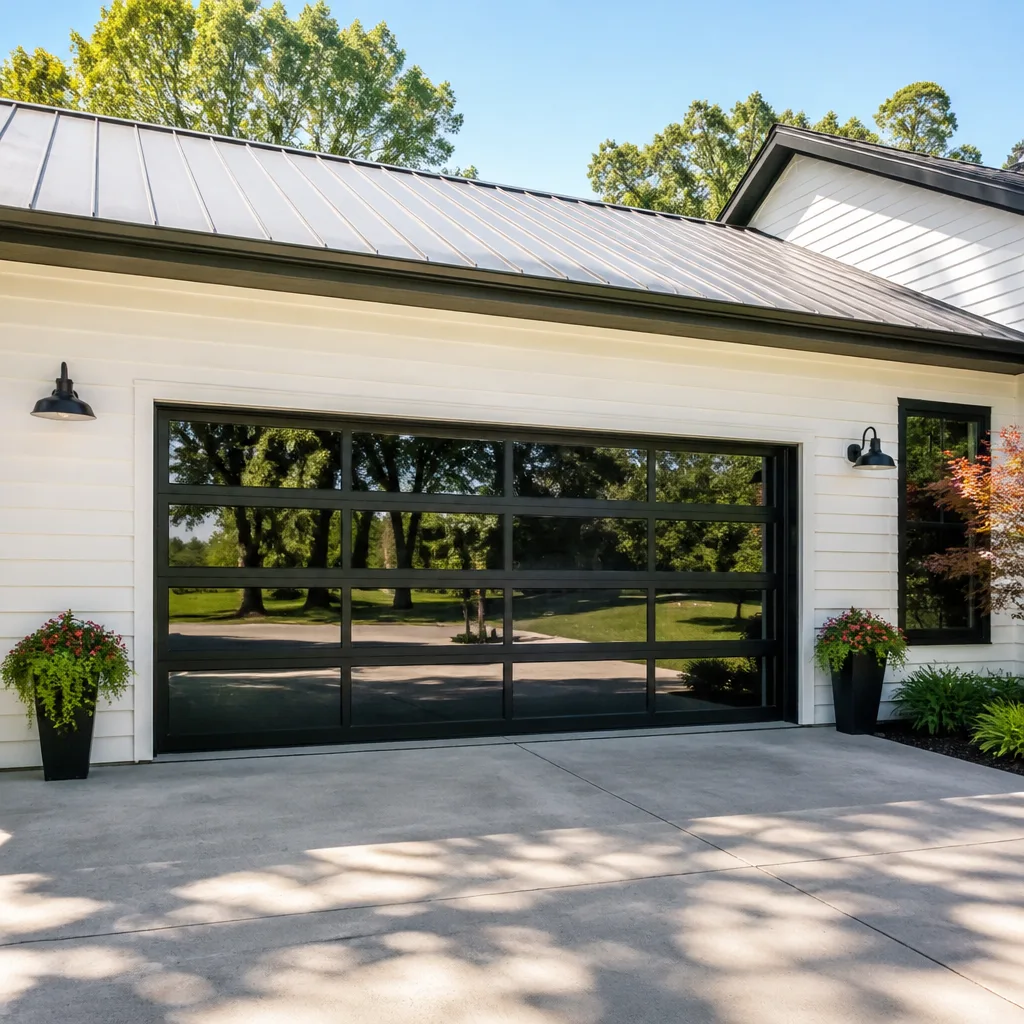 Full-view glass
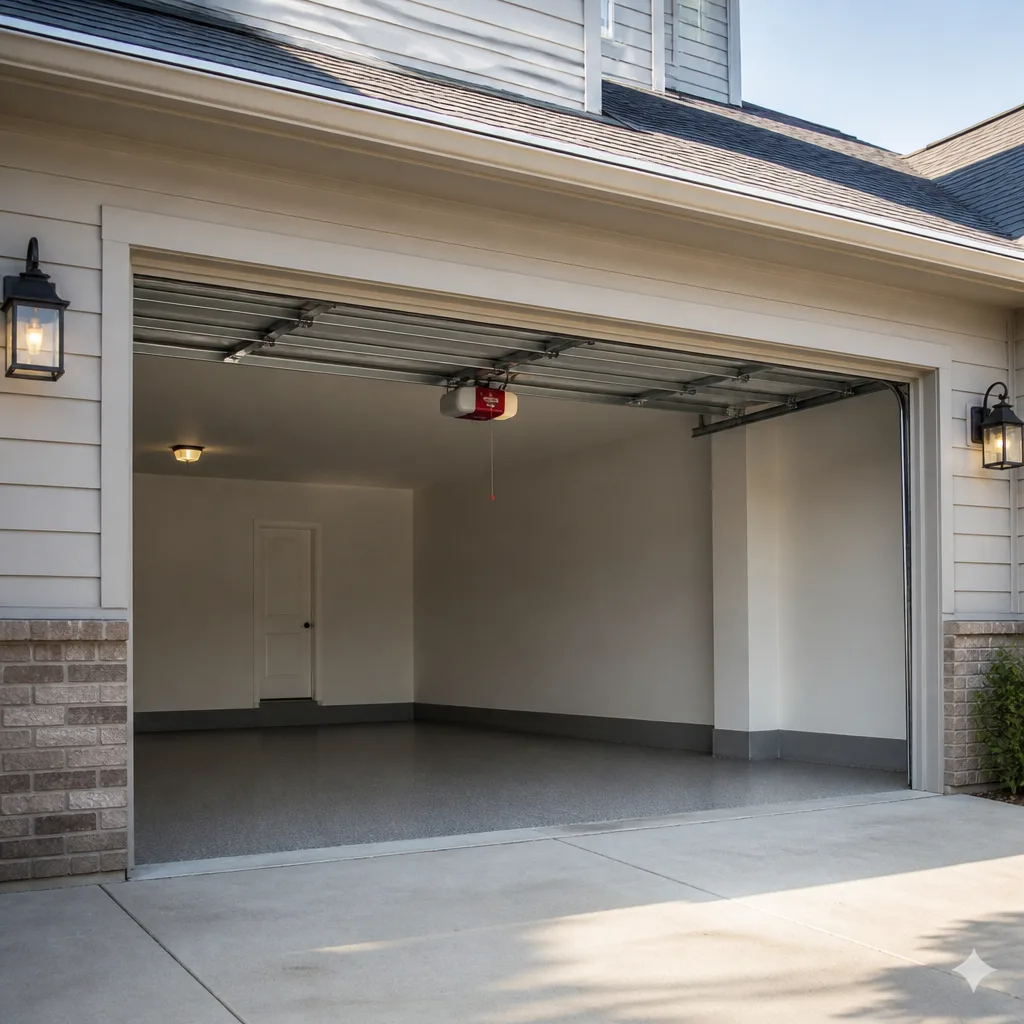 LiftMaster openers
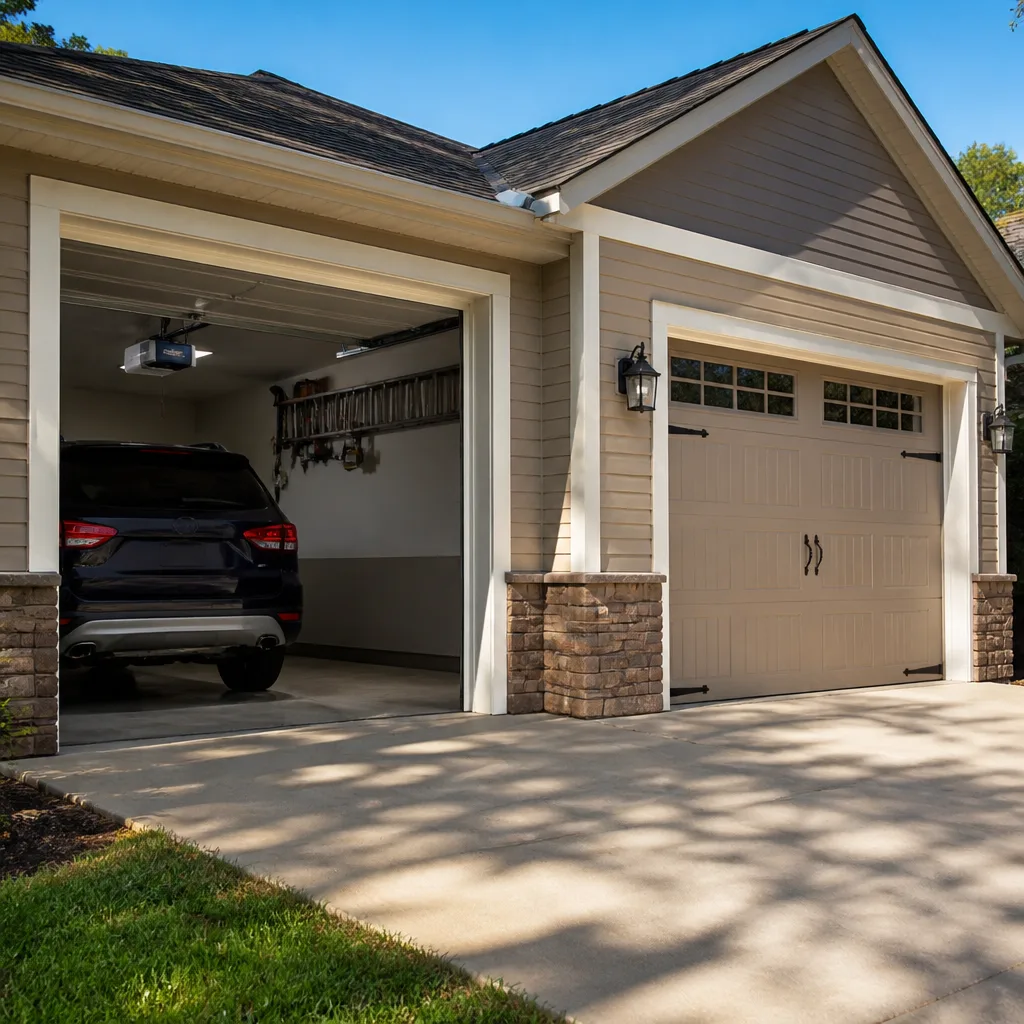 Chamberlain openers
Full 25-point door and opener safety check with every visit - springs, cables, rollers, tracks, and your LiftMaster or Chamberlain opener included
You get a price before we start. It does not change when the pro arrives.
Get your free estimateThe Complete Guide to Garage Doors in Centennial
Centennial sits at roughly 5,900 feet above sea level, and that altitude affects everything from how lubricants perform to how steel panels expand and contract – a fact missing from every manufacturer spec sheet you’ll find. Most garage door guides are written for a generic suburban house in a generic climate. Centennial isn’t generic. The Front Range freeze-thaw cycle, the hail, the intense high-altitude sun, and the architectural rules of the master-planned neighborhoods here all shape which door survives and which one fails early. This guide treats local conditions as the organizing principle, not door features in a vacuum. By the end you’ll understand springs, seals, openers, HOA constraints, clearances, and the repair-versus-replace decision that covers most Centennial homeowners.
Quick Answer
A garage door in Centennial needs to handle wide daily temperature swings, strong high-altitude UV, and periodic hail, which shortens the life of standard springs and bottom seals faster than national averages suggest. The right door and the right maintenance schedule here depend on your neighborhood’s HOA rules, your garage’s headroom and side-room clearances, and whether your existing opener is compatible with a replacement door. Most Centennial homeowners are choosing between repairing what they have and replacing it, and the decision usually comes down to door age, spring type, and opener compatibility.
Styles & brands we work with
- Raised-panel steel
- Carriage house
- Modern flush
- Full-view glass
- LiftMaster openers
- Chamberlain openers
Table of Contents
- Why Centennial’s Climate Shortens Garage Door Life
- HOA Rules and Architectural Guidelines in Centennial
- Headroom, Side Room, and Backroom: The Clearances Most Guides Skip
- Brand Support and Parts Availability Around Centennial
- Repair or Replace? The Decision Tree That Covers 90% of Cases
- Springs: The Highest-Stakes Repair on Any Garage Door
- Openers: What to Know Before You Replace a Door
- Common Mistakes to Avoid
Why Centennial’s Climate Shortens Garage Door Life
Elevation and temperature swing are the two forces that wear a garage door here faster than the national averages a manufacturer prints. Centennial sits near 5,900 feet, and the sun at that altitude carries more UV intensity than it does at sea level. That UV hits the door face, the bottom seal, and the weatherstripping around the frame day after day. Rubber and vinyl seals dry out, crack, and stop sealing sooner than you’d expect if you moved here from a lower, milder climate.
The bigger factor is the freeze-thaw cycle. On a typical Front Range day the temperature can swing widely between a cold morning and a mild afternoon, and that cycle repeats through much of the year. Steel panels expand and contract with each swing. Springs, which are under constant tension, work-harden and fatigue through the same cycle. A torsion spring that might last longer in a stable climate can cycle out faster here because it’s doing more mechanical work per day, every day.
Then there’s hail. Centennial and the surrounding Front Range corridor get hail that dents steel door faces and can crack windows in a door’s top section. A door facing the street or the prevailing storm direction takes the worst of it. In our experience, homeowners who’ve lived here a while learn to inspect the door face after a big storm the same way they’d check their roof.
What this means practically:
- Bottom seals and perimeter weatherstripping need inspecting at least once a year, and often sooner.
- Springs wear faster than the generic lifespan charts suggest, so listen for the sound of a failing spring rather than trusting a calendar.
- Lubricant choice matters. Cold mornings thicken the wrong grease and make the door sluggish, which strains the opener.
- Metal doors facing the afternoon sun fade and chalk sooner here, which is a cosmetic issue but an HOA-visible one.
None of this means a Centennial door is doomed. It means the maintenance calendar here should be tuned to local conditions, not to a national average.
HOA Rules and Architectural Guidelines in Centennial
Centennial has a large share of master-planned and covenant-controlled neighborhoods, and if you live in one, your HOA’s architectural guidelines will shape what door you can actually install. This trips up homeowners who shop for a door first and read their covenants second. The guidelines usually control three things: panel style, color, and window placement.
Panel style is often the tightest constraint. Some covenants specify a raised-panel or carriage-house look and prohibit certain modern flush or full-view designs. Color is usually restricted to an approved palette that coordinates with the community’s overall look, and that palette may be narrower than the manufacturer’s full color range. Window placement is the one people forget. A community may allow a certain pattern of windows in the top section but not the row below, or may disallow windows on doors that face the street for privacy and consistency reasons.
Here’s the practical sequence that saves time and money:
- Find your HOA’s current architectural guidelines before you shop. Ask for the exact document, not a verbal summary.
- Note the approved styles, colors, and window configurations for your section of the community.
- Submit the architectural request with the specific model and finish you intend to install, and get written approval.
- Only then order the door. A door ordered outside the guidelines can require removal and reinstallation at your cost.
If your home isn’t in a covenant-controlled community, you still want to confirm whether the city requires a permit for a garage door replacement. Most cities do require a permit for structural or electrical changes, so ask Centennial’s building department directly rather than assuming.
One more local note: because so many Centennial neighborhoods share similar architectural styles, a door that looks right in one community can look out of place in the next. Matching the door to the street, not just to your house, is the approach most HOA boards appreciate.
Headroom, Side Room, and Backroom: The Clearances Most Guides Skip
Clearance is the most overlooked part of a garage door purchase, and it’s where a lot of Centennial installations go sideways after the door is already ordered. The typical attached two-car garage in this area’s suburban grid has specific dimensions, and a door that doesn’t fit within those clearances either won’t install or won’t operate correctly.
Three measurements matter, and each one determines something different:
- Headroom is the vertical space above the door opening. It decides whether you can use a standard torsion setup or need a low-headroom configuration. A garage with tight headroom has fewer options, and the wrong choice puts the door in contact with the ceiling track.
- Side room is the space from the edge of the opening to the nearest wall or obstruction. It has to accommodate the vertical track and the door hardware, and it’s tighter than people expect in many two-car garages.
- Backroom is the horizontal distance from the door opening back into the garage. A door needs enough travel distance to sit on its horizontal track when fully open. A garage with a short backroom, or one shared with storage and water heaters, needs a door that opens without intruding.
A proper measurement takes all three plus the width and height of the opening itself. It’s the step where a generalist who “also does garage doors” tends to fall short, because a door that’s slightly out of spec here doesn’t just look wrong. It strains the opener, wears the springs unevenly, and can fail early. When we measure a door in Centennial, we’re checking whether the garage can support the door the homeowner wants, and if it can’t, what the closest workable alternative is.
This is also where opener compatibility gets decided. A high-lift or low-headroom door may need a different opener or a different track configuration than the one already on the ceiling.
Brand Support and Parts Availability Around Centennial
Brand choice in Centennial isn’t only about features. It’s about whether a technician can get parts and service support within a reasonable distance. Some brands have strong dealer and distribution support along the Front Range corridor, which means faster repairs and better access to replacement components. Others leave you waiting on a part shipped from out of state.
We work on the eight brands that cover most of what’s on Centennial doors: LiftMaster, Chamberlain, Genie, Clopay, Amarr, Wayne Dalton, Craftsman, and Raynor. That familiarity matters more than people realize. Each brand has its own logic for how a torsion system is set up, how an opener’s travel limits are adjusted, and how a limit switch or safety sensor behaves when it fails. When we diagnose a problem, we’re working from the specific brand’s design, not guessing at a generic failure.
What good parts support looks like in practice:
- Clopay and Amarr are widely represented in this market, which generally means panel and hardware support is easier to source.
- Wayne Dalton and Craftsman doors are common on older Centennial homes, and their hardware and opener parts are usually available through established supply channels.
- LiftMaster and Chamberlain opener support is strong because those brands dominate the installed base here, so replacement logic boards, safety sensors, and remotes are typically accessible.
- A door brand with thin local support can still be repaired, but you may wait longer for a specific panel or bracket.
If you’re replacing a door, choosing a brand with real local support is a quiet advantage you’ll appreciate the first time something needs attention. That’s part of why our garage door installation work starts with the brand and how it’s supported here, not with a picture in a catalog.
Repair or Replace? The Decision Tree That Covers 90% of Cases
The most common question Centennial homeowners ask is whether to fix the door they have or replace it. The honest answer depends on three things: the age of the door, the type of spring system, and whether the existing opener can handle a replacement. Work through these questions in order.
- How old is the door? A door under about ten years old is usually a repair candidate unless it’s been in a serious impact. A door past fifteen years, especially one with visible panel damage or repeated spring failures, is often a replacement conversation.
- What spring system does it have? Torsion springs are the stronger, more common setup and are repairable as a pair. Extension springs are older and, while repairable, sometimes signal a door that’s near the end of its service life. If you’ve replaced springs more than once in a few years, the door is telling you something.
- Is the opener compatible? A modern door can be heavier or lighter than the old one, and a tired opener may not have the lift capacity. If the opener is more than a decade old and already struggling, pairing it with a new door can mean replacing both.
- Is the structure sound? Rusted hinges, a bent track, and a sagging top section are cumulative. When several of these appear together, replacement is usually more economical than repeated repairs.
- Does your HOA allow the door you’d want? If the door you’d replace it with requires architectural approval, that’s a scheduling factor, not a reason to avoid replacement.
If the door is sound and only one component failed, repair almost always wins on cost and speed. If the door is old and multiple parts are wearing at once, replacement tends to be the honest recommendation. Our garage door repair service exists for exactly the first scenario, and we’ll tell you plainly when the second makes more sense.
Springs: The Highest-Stakes Repair on Any Garage Door
Springs are the highest-stakes repair on any garage door, and spring repair is a service we do as a matter of course, not as a reluctant exception. A torsion spring is a tightly wound steel coil under stored energy. When it fails, it releases that energy suddenly, and the door becomes heavy and dangerous to operate. This is not a repair to attempt with hand tools and a cable drum in the garage.
A few things worth knowing:
- Torsion springs sit on a shaft above the door and are the modern standard. They’re typically replaced as a matched pair, because a spring that’s done the same work for the same time is close behind the one that broke.
- Extension springs run along the horizontal track on older doors and need safety containment to control a break.
- In Centennial’s climate, springs cycle through more mechanical work per day because of the temperature swings, so a spring failure here is often tied to fatigue from daily use rather than an event.
- The warning signs are a loud bang from the garage, a door that suddenly feels very heavy, a visible gap in the coil, or a door that opens a few inches and stops.
The price for a spring repair in Centennial depends on the door’s size, the spring wire gauge, whether it’s torsion or extension, and whether it’s one spring or a matched pair. A single spring runs a typical range, and a pair is roughly double, because a pair means two springs. You’ll get a written estimate before any work starts, and that written estimate is the price. For the same reason, don’t trust anyone who quotes a spring repair sight unseen over the phone and won’t put it in writing.
If a spring has failed, stop operating the door. Don’t try to open it manually and don’t let anyone stand under it. Call for a trained technician. Our garage door opener repair work often begins with a spring check, because a strained opener is frequently a symptom of a spring that’s already failing.
Openers: What to Know Before You Replace a Door
Most Centennial homeowners replace a door and keep the opener, or replace the opener and keep the door. Occasionally both need to change at once, and it’s worth understanding why before you commit. An opener’s job is to lift the door at its specific weight, and the door’s springs carry most of that weight. When the door changes, the opener has to keep up.
What to check on any opener:
- Lift capacity and age. An opener load-rated for a lighter door may not lift a heavier new one. An opener past its service life is a false economy to keep.
- Safety sensors. If the safety reversing sensors are misaligned or dirty, the door won’t close. This is one of the most common “broken garage door” calls we get, and it’s rarely a broken door.
- Battery backup. Many newer openers include battery backup, and some jurisdictions require it. Ask what your current setup has before replacing it with a model that doesn’t.
- Brand logic. LiftMaster, Chamberlain, Genie, and Craftsman openers each have their own limit and travel adjustments. Knowing the brand shortens diagnosis and gets the door working correctly rather than “close enough.”
If you’re replacing both, we size the opener to the door and the door to the garage’s clearances. If you’re replacing just one, we check that the pairing will hold up before the new part goes in.
Common Mistakes to Avoid
- Buying the door before reading the HOA covenants. In Centennial’s covenant-controlled neighborhoods, a door that violates the architectural guidelines can have to come out at your expense. Get written approval before ordering.
- Replacing a single torsion spring instead of the pair. The matching spring has cycled the same number of times and is usually close behind. Replacing one now and the other in a few months costs more in the long run.
- Trying to fix a broken spring yourself. A torsion spring is stored energy. A trained technician has the winding bars and the safety procedure; trying this with household tools is how people get seriously hurt.
- Ignoring the bottom seal until it’s shredded. In this climate, UV and freeze-thaw crack a seal faster than expected. A cheap seal replaced early protects the door from moisture and keeps the garage less dusty.
- Buying a door without checking headroom, side room, and backroom. The typical two-car garage here has tighter clearances than the catalog assumes, and a door that doesn’t fit the garage won’t operate correctly even if it fits the opening.
- Calling a generalist because they’re closer. Garage doors are their own trade. A technician who also does plumbing and electrical is learning your torsion system on the job.
- Skipping a written estimate. The price you agree to before work starts should be in writing. A company that won’t commit in writing is telling you something.
See the difference
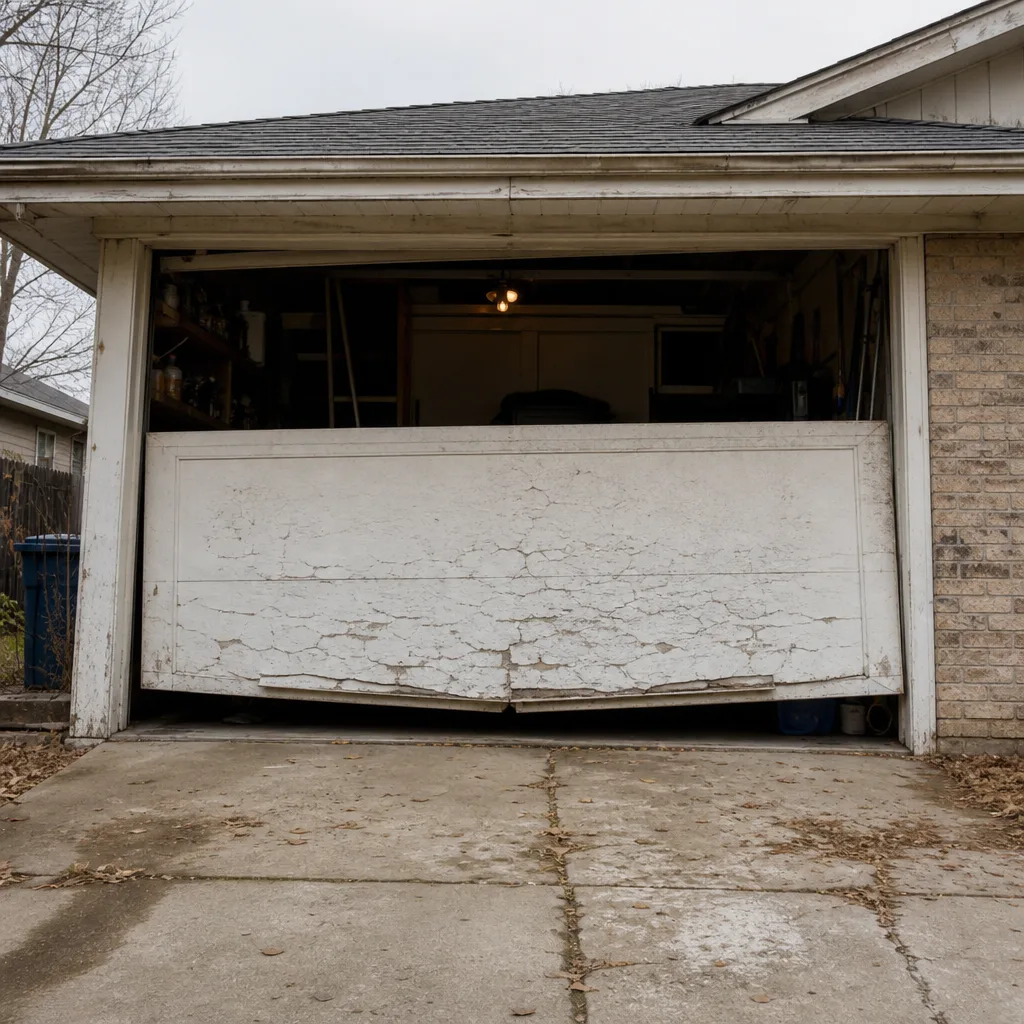 Before
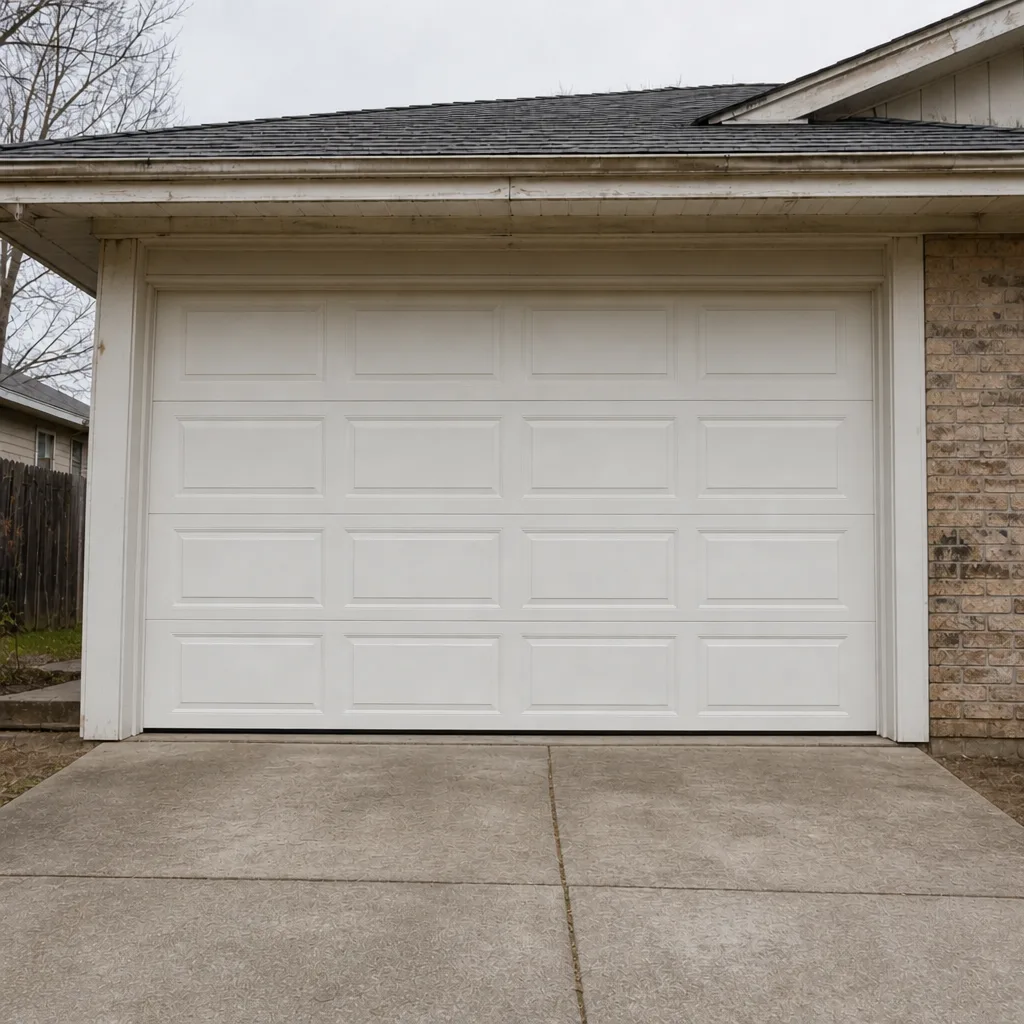 After
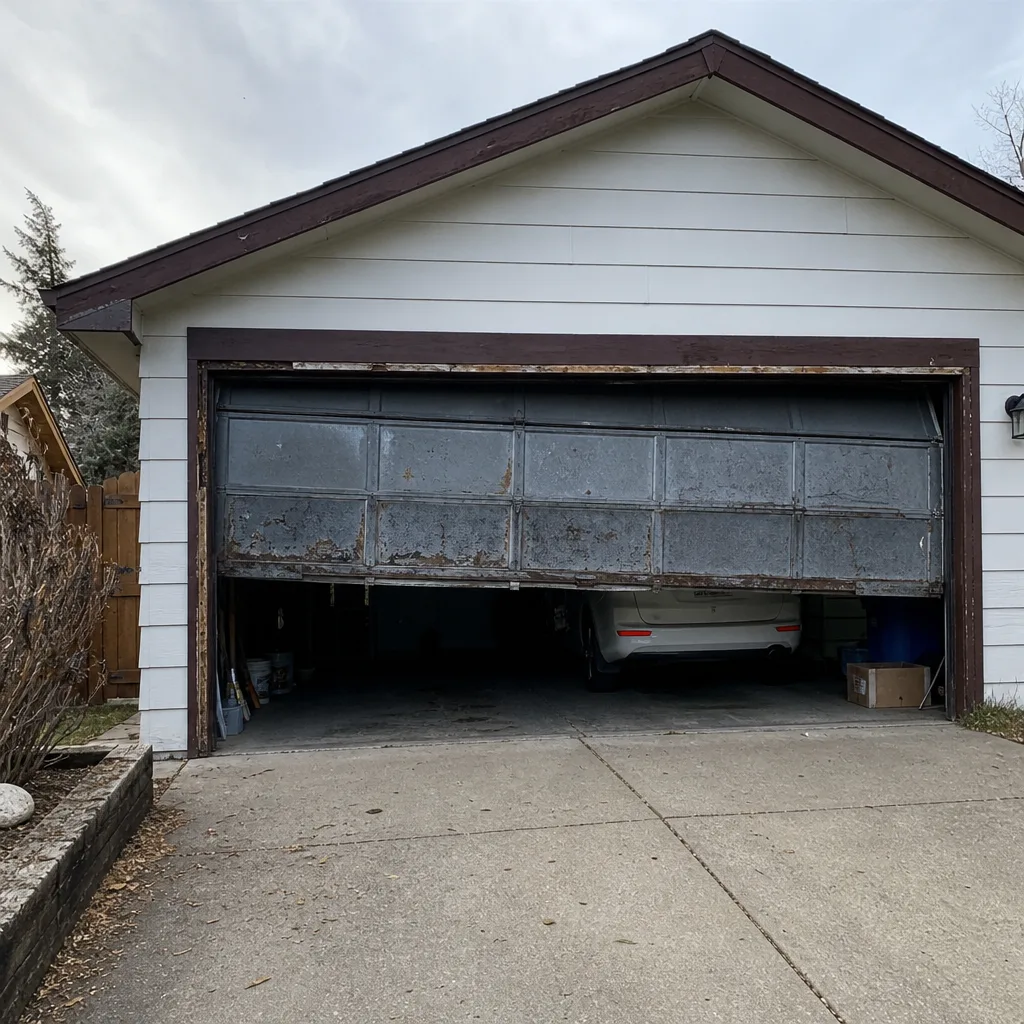 Before
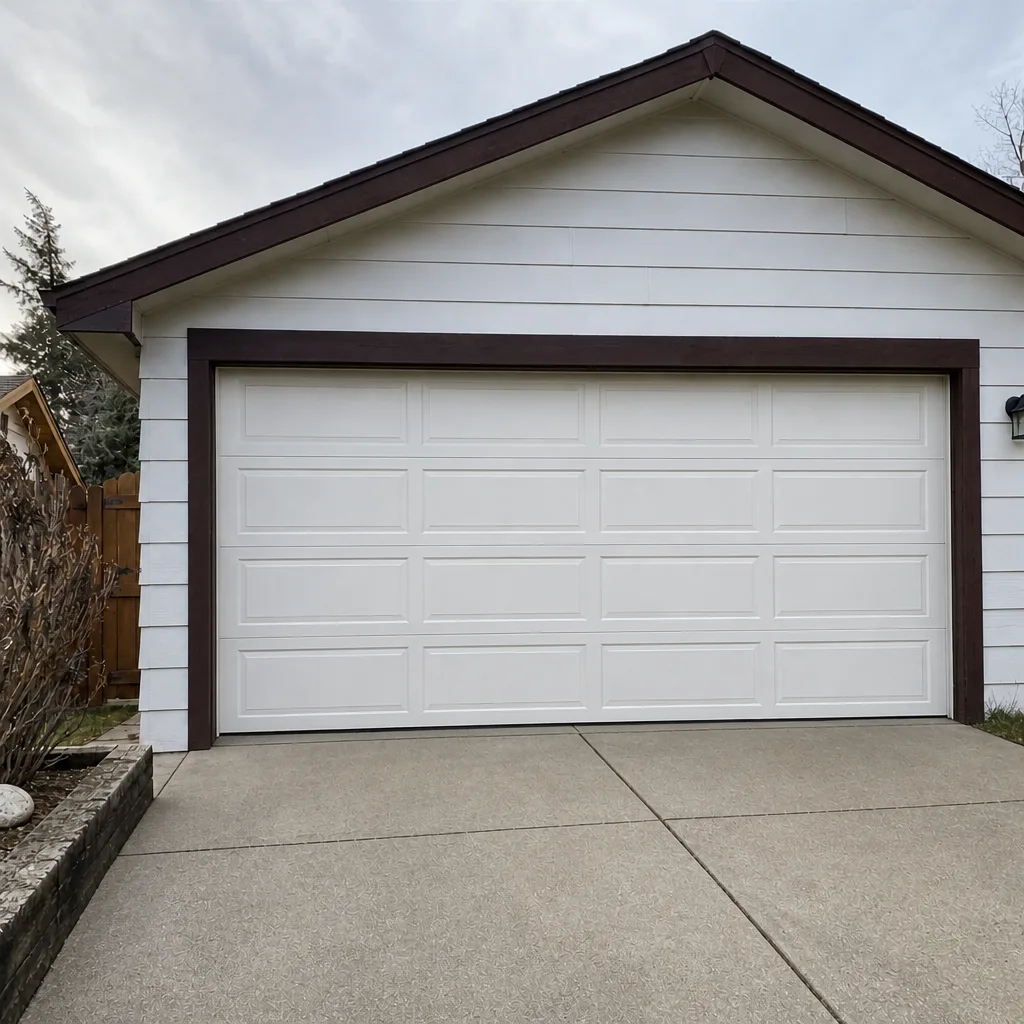 After
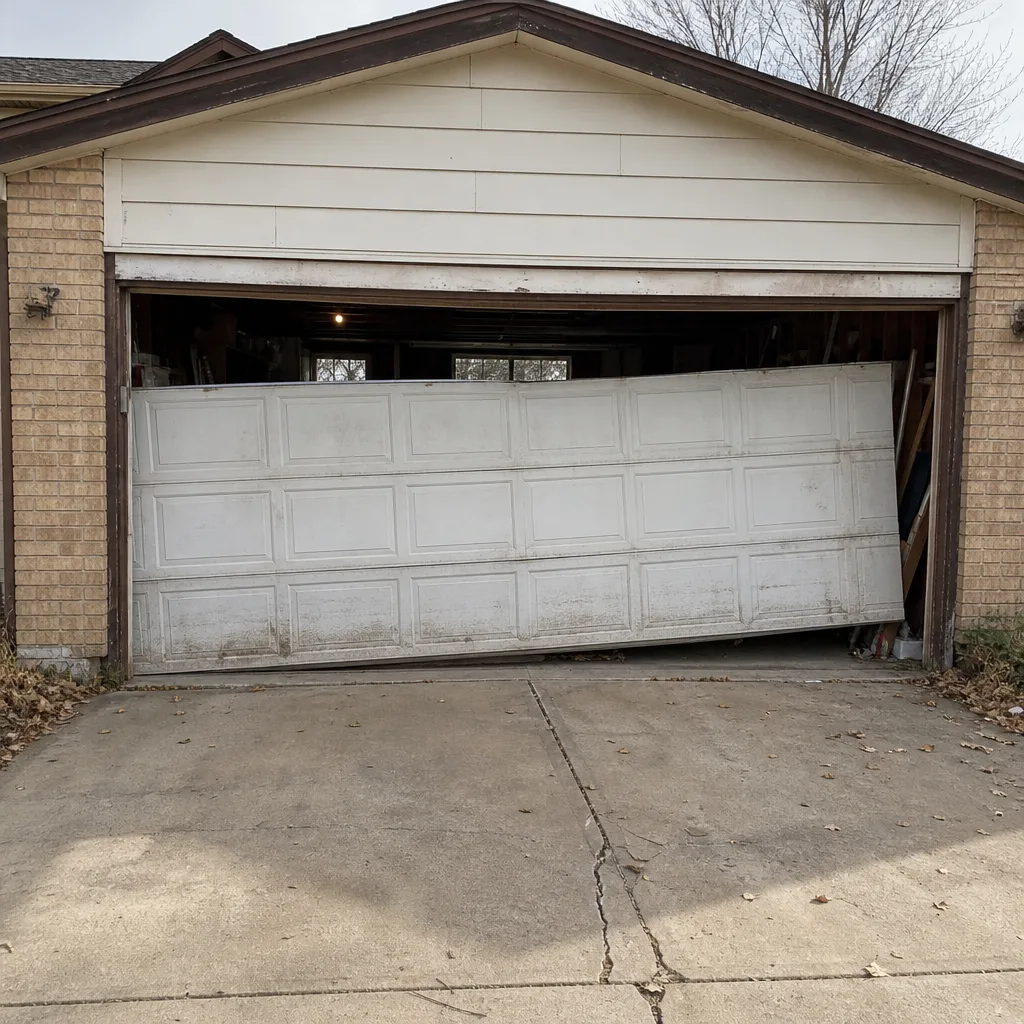 Before
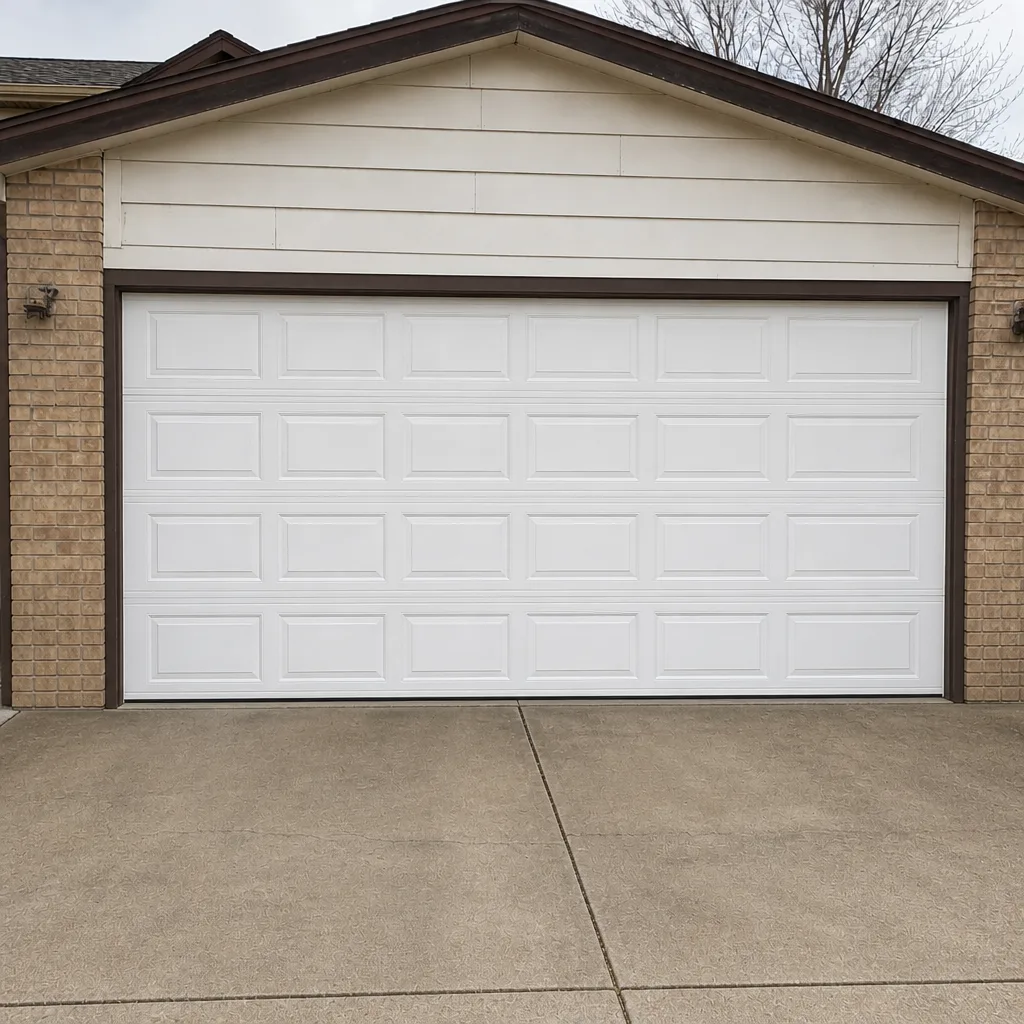 After
When to Call a Professional
Some garage door problems are ordinary wear; some are dangerous to touch. Call a trained technician when a torsion spring has broken (the door is suddenly heavy, or you hear a loud bang from the garage), when the door is off its track or sagging, when the cables look loose or uneven, when the opener runs but the door doesn’t move, or when the door won’t close at night and the safety sensors are the first thing to check but not the last. Also call when the door is old and you’re weighing repair against replacement. That’s a decision worth a professional’s eyes, not a catalog’s. When it won’t open and you can’t wait, emergency service is a genuine offering here, not an afterthought. Centennial Garage Door Repair Pros offers free estimates in Centennial. Call (877) 542-4141 and we’ll get a technician out to look at the right door for what’s happening.
Frequently Asked Questions
A well-maintained steel garage door typically lasts around fifteen to twenty years, but Centennial’s temperature swings and high-altitude UV can shorten the useful life of seals, springs, and finishes. Inspect the bottom seal and springs each year, and plan for spring replacement sooner than a national average would suggest. If your door is past fifteen years and showing several worn parts at once, call (877) 542-4141 for an honest assessment.
If you live in a covenant-controlled community in Centennial, yes, you’ll almost always need architectural approval before replacing a door. The guidelines typically cover panel style, color, and window placement, and a door ordered outside them can require removal at your cost. Ask your HOA for the current written guidelines and submit your request before you order. Call (877) 542-4141 if you’d like help matching a door to your community’s rules – estimates are free.
Springs in Centennial break faster because the daily freeze-thaw temperature swings make them cycle through more mechanical work per day, and high-altitude conditions accelerate metal fatigue. A spring failure here is usually cumulative wear rather than one event. Listen for the bang, watch for a heavy door, and stop operating it. Call (877) 542-4141 for a same-day spring check.
Most likely, yes. We work on the eight leading brands: LiftMaster, Chamberlain, Genie, Clopay, Amarr, Wayne Dalton, Craftsman, and Raynor. If your door is one of these, our technicians diagnose from that brand’s design rather than guesswork. If it’s a less common brand, tell us the model and we’ll confirm whether we can source parts. Call (877) 542-4141 to check – estimates are free.
No, the price is quoted and agreed before any work starts, and the written estimate is the price. We measure the door and diagnose the problem, then put the repair in writing. If we find something unexpected that changes the scope, we tell you before we do the work. Call (877) 542-4141 for an exact quote – estimates are free.
A single torsion spring repair in Centennial typically falls within a reasonable range, and a matched pair is roughly double because it’s two springs. The final price depends on door size, wire gauge, and whether it’s torsion or extension. You’ll get a written estimate before any work starts. Call (877) 542-4141 for an exact quote – estimates are free.
The Bottom Line
Garage doors in Centennial live in a tougher environment than the national average assumes, and the right approach starts with the local conditions: high altitude, temperature swings, strong UV, hail, and HOA guidelines that shape what a door can even be. Springs are the highest-stakes part to get right, seals need watching more than most guides suggest, and clearances decide whether a door fits the garage before it fits the opening. When you know the repair-versus-replace decision tree, you can skip the guesswork. For the deep technical work, see our garage door repair and garage door installation pages, or start with Centennial Garage Door Repair Pros for the full picture.
When you’re ready to fix what you have or replace what’s worn out, call us at (877) 542-4141 for a free estimate. Our technicians have up to 9 years of experience, and we work on the brands you already own. We’ll measure, diagnose, and put the price in writing before any work starts, so you know exactly what you’re getting and what it costs.
Written by the team at Centennial Garage Door Repair Pros.