Last updated November 22, 2026
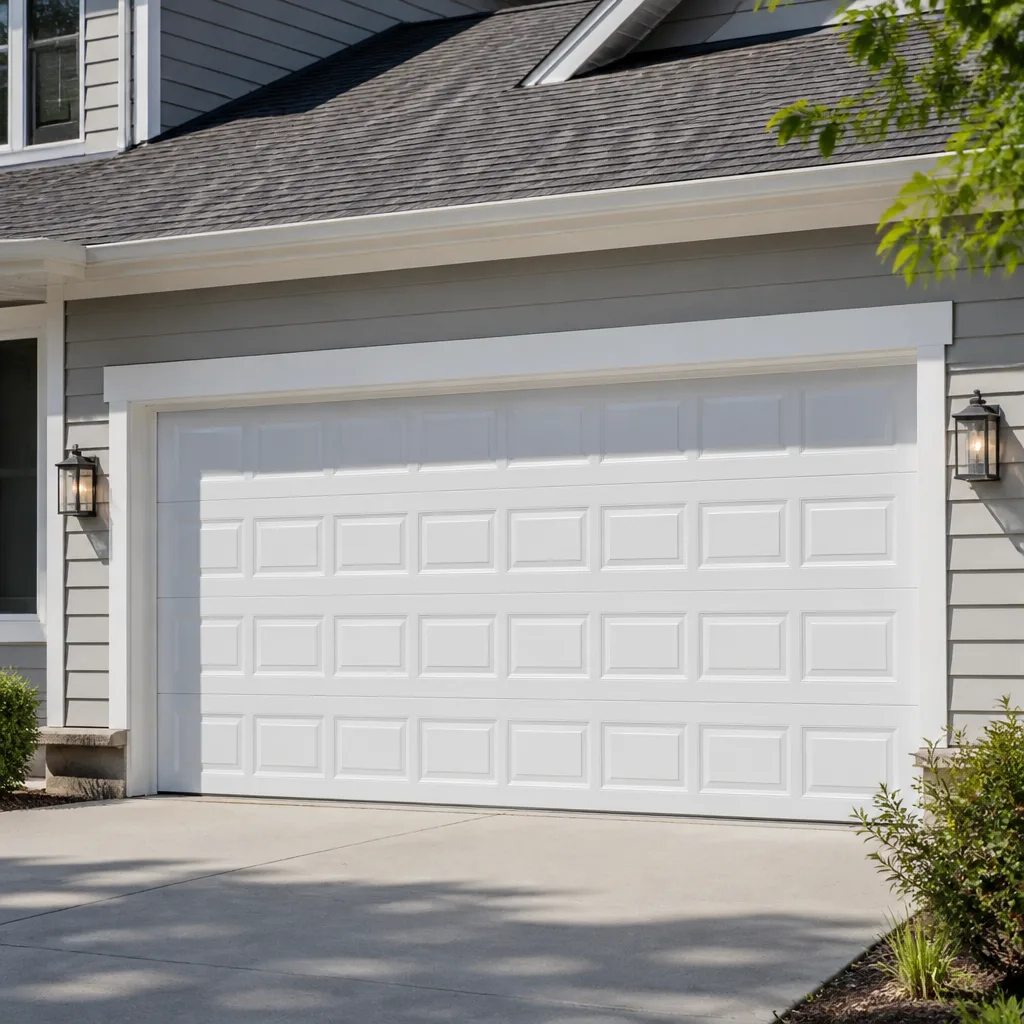 Raised-panel steel
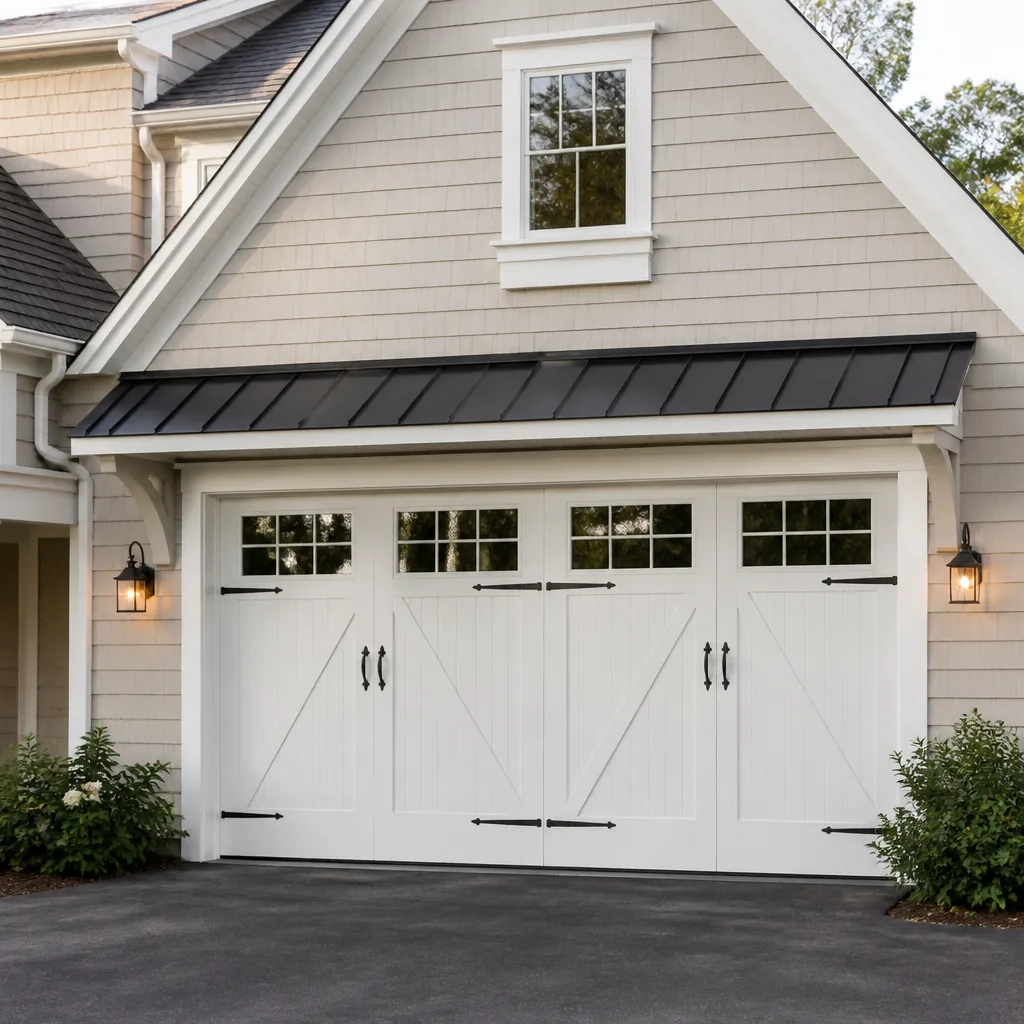 Carriage house
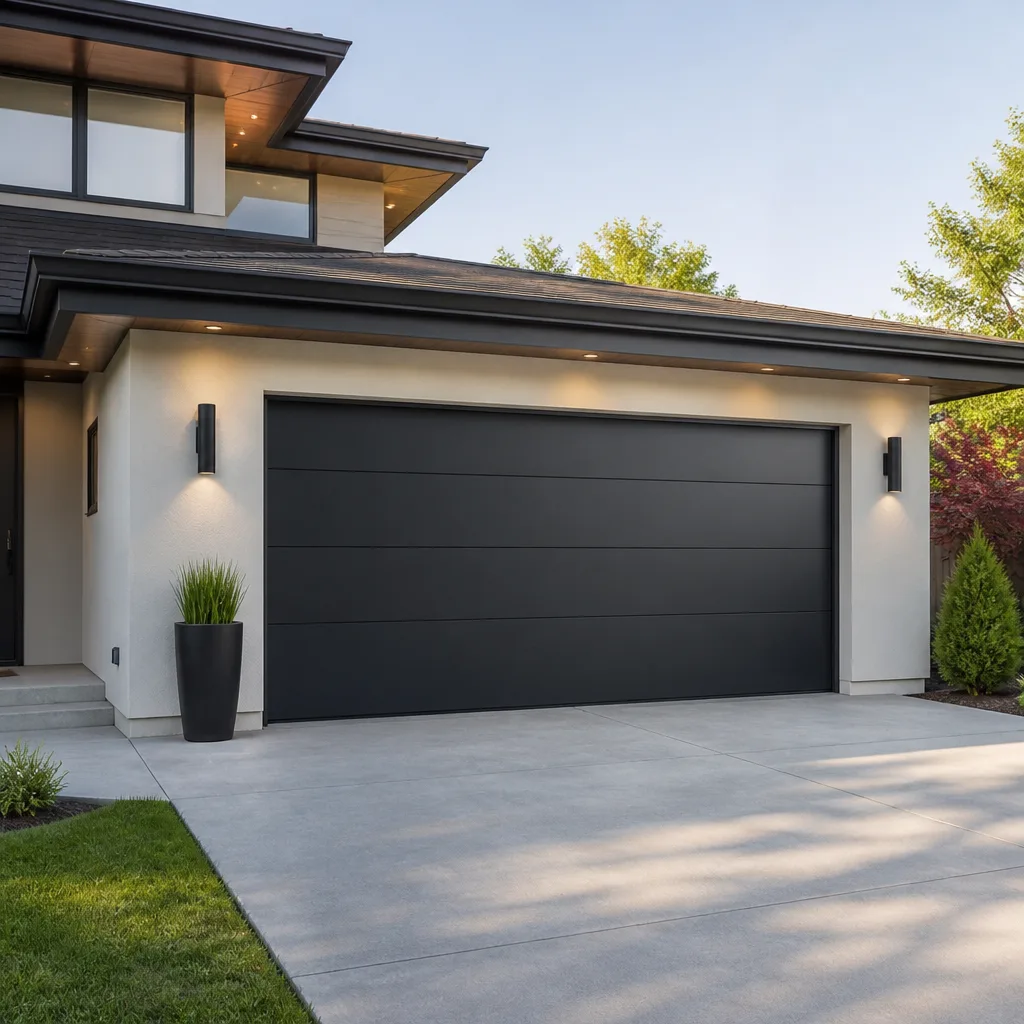 Modern flush
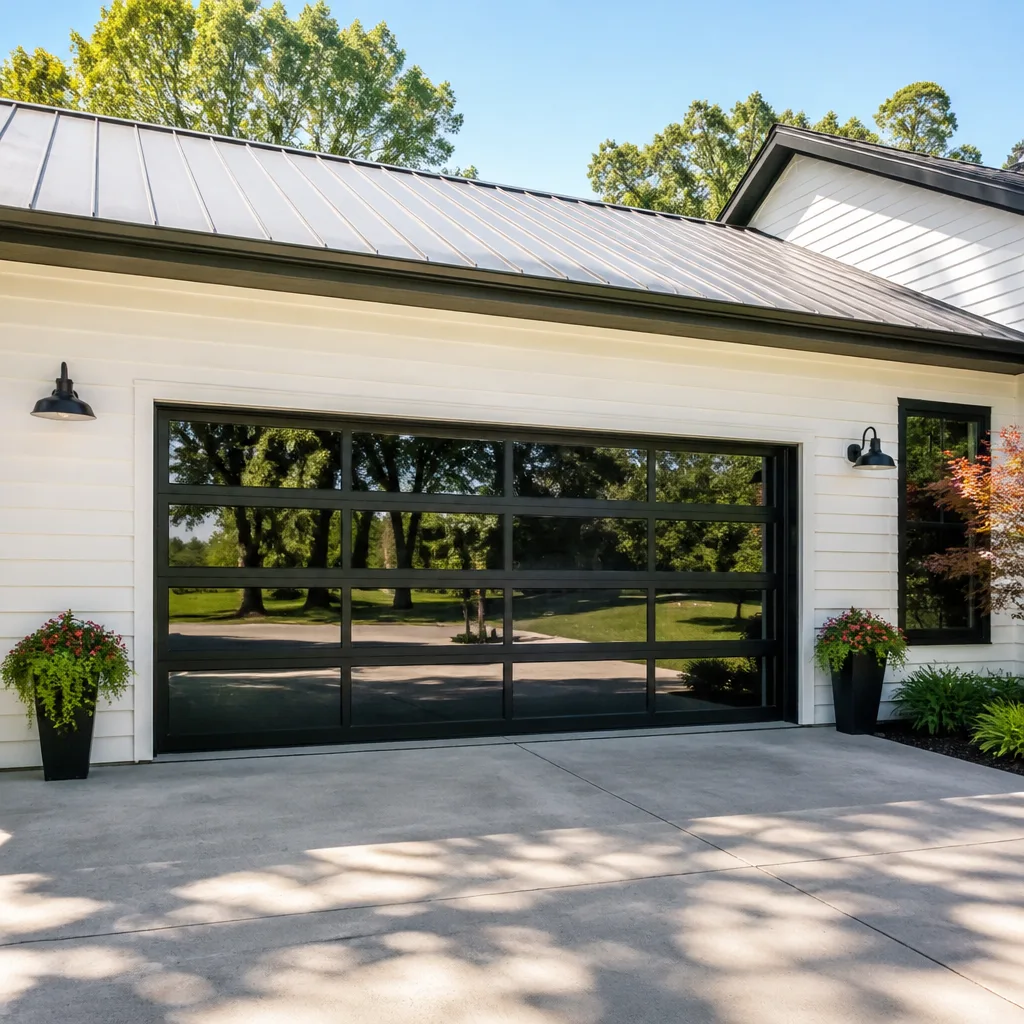 Full-view glass
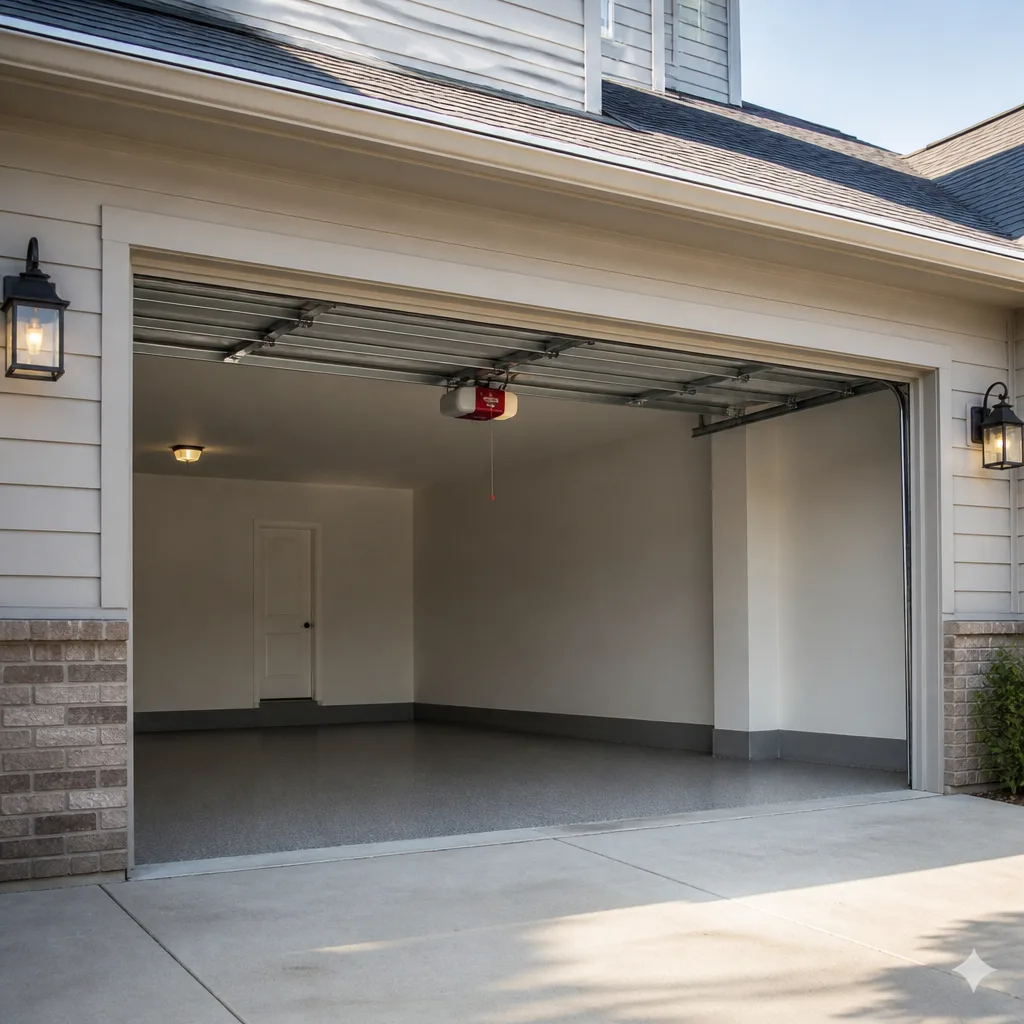 LiftMaster openers
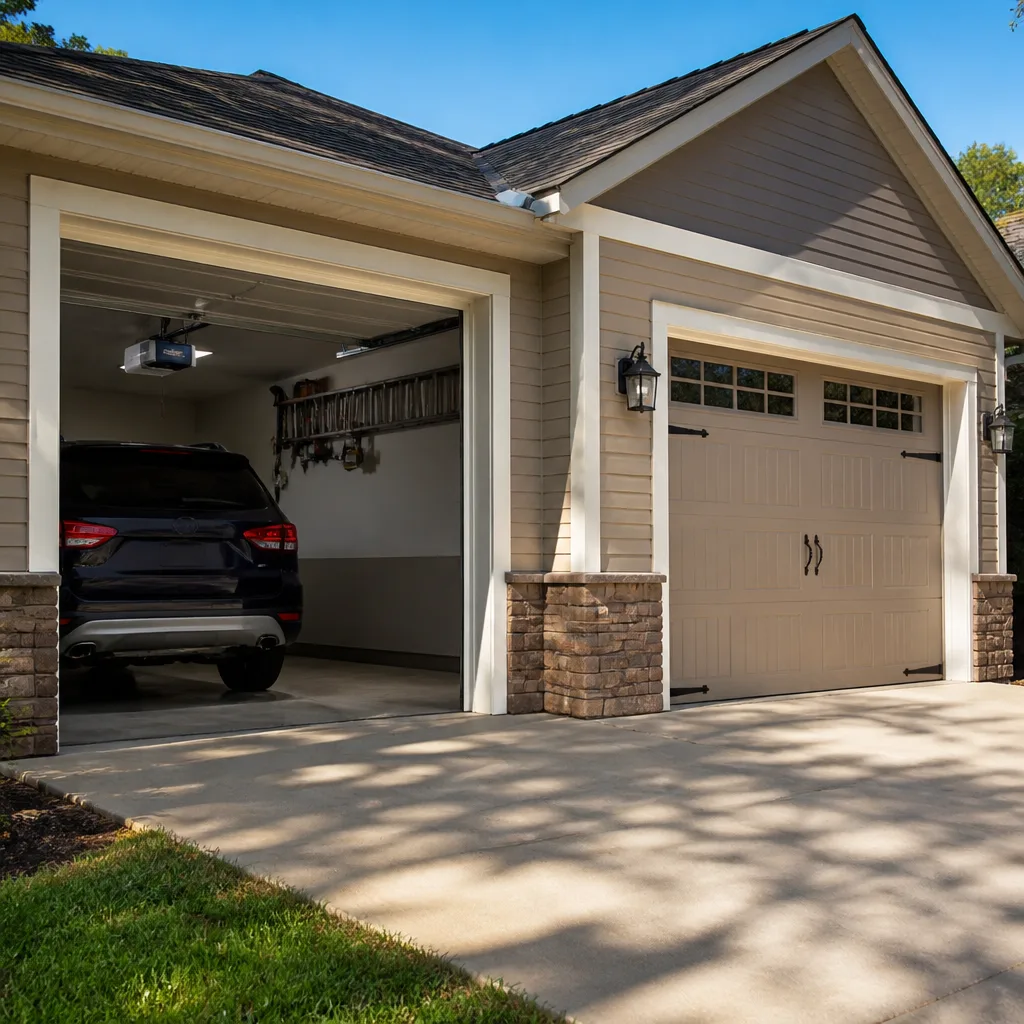 Chamberlain openers
Full 25-point door and opener safety check with every visit - springs, cables, rollers, tracks, and your LiftMaster or Chamberlain opener included
You get a price before we start. It does not change when the pro arrives.
Get your free estimateChoosing the Right Garage Door Brand: A Buyer’s Guide for Centennial
One of the highest-rated garage door brands on national review sites has a nearest authorized service center 90 miles from Centennial. That detail never appears next to the stars. This guide is about the stuff the national rankings leave out: which brands actually have parts and dealer support near the Denver metro, how steel gauge and insulation numbers line up with the temperature swings along the Front Range, and why the opener you own often decides the door you should buy. By the end you’ll know how to pick a brand you can actually keep working in Centennial, not just one that photographs well on a website.
Quick Answer
The best garage door brand for a Centennial home is the one with real local dealer and parts support, a steel gauge and insulation value matched to Colorado’s temperature swings, and a warranty someone locally can honor. In practice that usually points to brands like Clopay, Amarr, or Wayne Dalton paired with an opener from LiftMaster, Chamberlain, or Genie that a local technician can diagnose and service quickly.
Styles & brands we work with
- Raised-panel steel
- Carriage house
- Modern flush
- Full-view glass
- LiftMaster openers
- Chamberlain openers
Table of Contents
- Why Local Parts Networks Beat National Ratings
- Brands With Established Dealer and Parts Networks in the Denver Metro
- Matching Steel Gauge and Insulation to Centennial’s Climate
- LiftMaster vs. Chamberlain vs. Genie: Let the Opener Decide the Door
- Wind Load Ratings and Front Range Wind Events
- Decoding the Warranty: What “Limited Lifetime” Really Covers
- A Step-by-Step Way to Choose Your Brand
- Why a Garage-Door-Only Company Matters
Why Local Parts Networks Beat National Ratings
A five-star average tells you a brand makes a door people like on day one. It tells you nothing about day 900, when a hinge fails or an opener logic board quits and you need the part this week. That gap matters more in Centennial than the review sites admit, because a garage door is one of the few home components that’s both a daily-use machine and a large exterior fixture. When it stops working you feel it immediately.
Here’s the practical difference. A brand with an established dealer network in the Denver metro means a technician can often source common parts – rollers, hinges, springs sized to your door, opener accessories – through local distribution rather than a factory-direct order. A brand without that network means every repair turns into a shipping timeline. Weeks, not days, in the worst cases.
What to weigh when you compare two brands that look identical online:
- Dealer and distributor presence in the Denver metro. Ask directly whether a local supplier stocks the brand’s parts or orders them from the factory.
- Parts commonality. Brands that share standard roller, hinge, and spring profiles are easier to keep alive than proprietary designs.
- Opener ecosystem. A door that only plays nicely with one opener brand narrows your future repair options.
- Warranty administration. A warranty is only as good as the nearest party willing to process a claim.
When we look at a Centennial door, the first question isn’t “who made this?” It’s “can I get the part?” Because the second question decides how long you’re without a working door.
Brands With Established Dealer and Parts Networks in the Denver Metro
Brands with established dealer and parts networks in the Denver metro include Clopay, Amarr, Wayne Dalton, and Raynor on the door side, and LiftMaster, Chamberlain, Genie, and Craftsman on the opener side. Those are the names we work on most, and it’s not a coincidence: they’re the brands a local technician can keep running without a special order every time something wears out.
That’s the short list. Here’s how the support picture usually breaks down, in broad terms:
- Clopay and Amarr. Wide distribution through the Front Range building-supply channel. Panels, hardware, and springs are generally available locally, which keeps repair turnaround tight.
- Wayne Dalton. Well represented in the metro, with good parts access for common models. Popular on both new construction and replacement work in Centennial.
- Raynor. Solid commercial and residential presence; parts availability is usually reasonable for the models common in the area.
- Boutique or mail-order brands. Often excellent doors, but if the only parts source is the factory, a simple repair can stretch into a multi-week wait.
None of this is a knock on the boutique brands. Some of them build a beautiful product. But a Centennial homeowner weighing a $2,000 door replacement needs to think about the next repair, not just this install. If a national review site is your only source, you’re grading the product and ignoring the pipeline behind it.
We’re factory-familiar with eight leading brands – LiftMaster, Chamberlain, Genie, Clopay, Amarr, Wayne Dalton, Craftsman, and Raynor – so a brand-specific diagnosis happens fast instead of starting from scratch. For the repair side of this, our garage door repair work covers all of them.
Matching Steel Gauge and Insulation to Centennial’s Climate
Steel gauge and insulation R-value should be matched to Centennial’s actual temperature range, not to marketing labels like “cold climate” that have no fixed definition. A steel door in the Centennial area generally wants to handle a broad swing – warm summer afternoons down to hard freezes and spring snow. That range, more than any single extreme, is what wears a cheap door out.
Two numbers matter, and they’re different:
- Steel gauge. Lower gauge means thicker steel. A thinner 27- or 28-gauge door dents more easily and flexes more in wind, which is a real issue here because the south and west sides of many Centennial homes take serious sun and wind. A 24- or 25-gauge door costs more but resists dents and holds its shape.
- Insulation R-value. The R-value describes how well the door resists heat flow. An uninsulated door is essentially a metal panel with air behind it. An insulated door keeps the attached garage closer to the house temperature, which matters if a bedroom or laundry sits above the garage.
Ignore “cold climate” labels. They sound reassuring and mean nothing standardized. Ask for the actual R-value and the actual steel gauge. Those are the figures a technician can verify and a smart buyer can compare across brands.
A word of caution on the garage itself: a garage door spring under tension is the highest-stakes repair on any door, and DIY spring work is genuinely dangerous. Gauging your door’s needs is a judgment call a trained technician can make quickly; replacing the spring is not a homeowner job. We treat spring work as its own service line for exactly that reason.
LiftMaster vs. Chamberlain vs. Genie: Let the Opener Decide the Door
LiftMaster, Chamberlain, and Genie all pair well with the major door brands, but the opener you already own should usually drive the door purchase – not the other way around. The opener is the smart part: the logic board, safety sensors, remotes, and any MyQ or app features. The door is the mechanical part. When the two are mismatched, you don’t feel it on install day; you feel it months later when a feature won’t connect or the motor strains against a door it wasn’t specified for.
Why the opener should lead:
- Your existing ecosystem. If your home already runs LiftMaster openers with MyQ and a wall control you like, staying in the family keeps remotes, apps, and safety features consistent.
- Service familiarity. A technician who works on LiftMaster, Chamberlain, and Genie every week diagnoses them by their known failure points, not generic guesswork.
- Feature compatibility. Some smart-door and lock features only integrate with certain opener brands. Buy the door around the opener to avoid a dead feature.
- Weight and balance. The opener is sized to the door’s weight. Knowing the opener first makes it easy to specify a door within its capacity.
This is also why brand-specific opener knowledge saves time. LiftMaster’s failure patterns differ from Genie’s, and a technician who recognizes them can often fix the problem on the first visit. When the opener needs work, that’s a job for garage door opener repair, and a door brand that plays nicely with your opener makes the whole system easier to keep running.
Wind Load Ratings and Front Range Wind Events
Wind load ratings matter along the Front Range because Centennial sees strong downslope wind events that can catch a wide, flat garage door like a sail. Most residential garage doors on the market are not rated out of the box for high wind; many require a wind-load upgrade, extra reinforcement struts, or a heavier model to meet the load a particular home’s exposure demands.
How to think about this without guessing:
- Exposure matters. A door facing open space or a long downslope run takes more wind than a sheltered one. Wind load is about the home’s location and orientation, not just the door.
- Wind-load spec is a build option. Some brands offer wind-load versions out of the catalog; others need aftermarket struts. Ask which you’re getting before you sign.
- Reinforcement is physical. Extra vertical struts and heavier hinges are how a door resists flex. That hardware translates into how the door feels in a gust, too.
- Code and permit questions. If you’re unsure what your city’s building department requires for your door, ask them directly. Most cities require a permit for a garage door replacement; confirm the wind-load requirement in the same call.
A door that flexes and rattles in high wind isn’t just noisy – repeated flex can loosen hardware and shorten the life of the panels. If the existing door has taken that kind of beating, it’s often worth having a technician assess it before you buy a new one.
Decoding the Warranty: What “Limited Lifetime” Really Covers
A “limited lifetime” garage door warranty usually covers the door panels against defects for as long as you own the home, but the fine print separates panels, hardware, and springs into different terms – and a warranty with no local dealer presence is hard to use in practice. That’s the part marketing sections skip.
What typically gets broken out:
- Panels. Often the longest coverage, since defects in a painted steel panel usually show up early. Many brands limit this to the original homeowner, which matters if you sell.
- Hardware. Hinges, rollers, and brackets usually carry a shorter term. Wear items are wear items.
- Springs. Frequently the shortest coverage of all, since springs are a wear part with a finite cycle life. Don’t confuse “warranty” with “never fails.”
- Finish. Paint and color warranties are often their own section, separate from structural coverage.
The local-dealer point is the one that matters most. If the brand has no nearby service under its network, a claim can stall while parts ship from the factory. A brand with dealer support in the Denver metro means a technician can get the part and resolve the issue faster. When you’re comparing warranties, ask who can actually honor them in Centennial. That question is worth more than the wording on the brochure.
A Step-by-Step Way to Choose Your Brand
Choosing a garage door brand in Centennial comes down to seven checks that put support and fit ahead of marketing. Run through these before you sign anything, and the “best brand” question answers itself for your home.
- Start with your opener. Identify the brand and model of your existing opener. LiftMaster, Chamberlain, Genie, and Craftsman are the most common in the area, and your opener’s ecosystem should guide the door choice.
- Check local parts and dealer support. For each door brand on your short list, ask a local technician whether parts are stocked or special-ordered, and how long an average repair takes.
- Match steel gauge to your exposure. South- and west-facing doors take more sun and wind. A thicker, lower-gauge door in those spots pays off over time.
- Get the real R-value. Ask for the actual number, not a “cold climate” label. Compare brands on the figure, not the badge.
- Confirm the wind-load spec. Make sure the quote includes the reinforcement or model your home needs, and check permit requirements with the city’s building department.
- Read the warranty by component. Separate panels, hardware, springs, and finish, and note any original-homeowner limits.
- Get a free measure and a written quote. Installation is sized, ordered, and scheduled work. A free measure and a written price before you commit is the standard, and it’s what we provide.
Run those seven steps and you’ll cut through the national rankings. The door you end up with is the one you can have serviced in Centennial, and that’s the whole game.
Why a Garage-Door-Only Company Matters
A garage-door-only company matters because the trade has its own failure patterns, and a specialist sees them daily while a multi-trade contractor sees them occasionally. Springs fatigue, openers lose calibration, sensors drift, cables fray. A technician whose entire skill set is concentrated on one trade is going to recognize those patterns faster than someone who also runs plumbing, HVAC, and electrical calls.
That concentration shows up in a few practical ways:
- Brand-specific diagnosis. Knowing LiftMaster, Chamberlain, Genie, Clopay, Amarr, Wayne Dalton, Craftsman, and Raynor means the technician starts from the brand’s known behavior instead of a blank slate.
- Spring work as a real service. Springs are the most common and most dangerous garage door failure. A specialist advertises spring repair because they’re equipped for it, not hesitant about it.
- Emergency response as a core service. A door that won’t close at night or won’t open in the morning is a genuine emergency. We treat it as part of the job, not an upsell.
- One call covers the arc. Repair, opener repair, spring work, and new-door install all sit under one name, so you’re not handed off when the job type changes.
For new doors specifically, that means a free measure, a written price, and a scheduled install handled by the same specialist who’ll service it later. Installation is ordered and scheduled, not something that happens same-day, and we’ll be upfront about that. Our garage door installation work follows the same rule. Our technicians have up to 9 years of experience, and every one of them works on doors and nothing else.
Common Mistakes to Avoid
- Buying on national reviews alone. A five-star average from another state tells you nothing about whether parts are available in the Denver metro. Check the local parts pipeline before the stars.
- Ignoring the opener you already own. Choosing a door first and trying to match the opener later often means a feature that never works right. Start with the opener.
- Trusting “cold climate” labels. They aren’t standardized. Ask for the actual steel gauge and R-value, because those are the numbers that tell you how the door will handle Centennial’s swings.
- Skipping the wind-load question. A wide door on an exposed side of a Centennial home needs wind-load reinforcement, and buying without it means flex, rattle, and a shorter service life.
- Reading only the warranty headline. “Limited lifetime” usually covers panels longest and springs shortest, often only for the original owner. Read the component breakdown before you buy.
- Attempting spring or cable work yourself. Springs and cables are under extreme tension, and this is the repair that puts people in the hospital. Leave it to a trained technician.
- Accepting a verbal price. Get the written quote up front. The written estimate should be the final price for the job described, and you should see it before any work starts.
See the difference
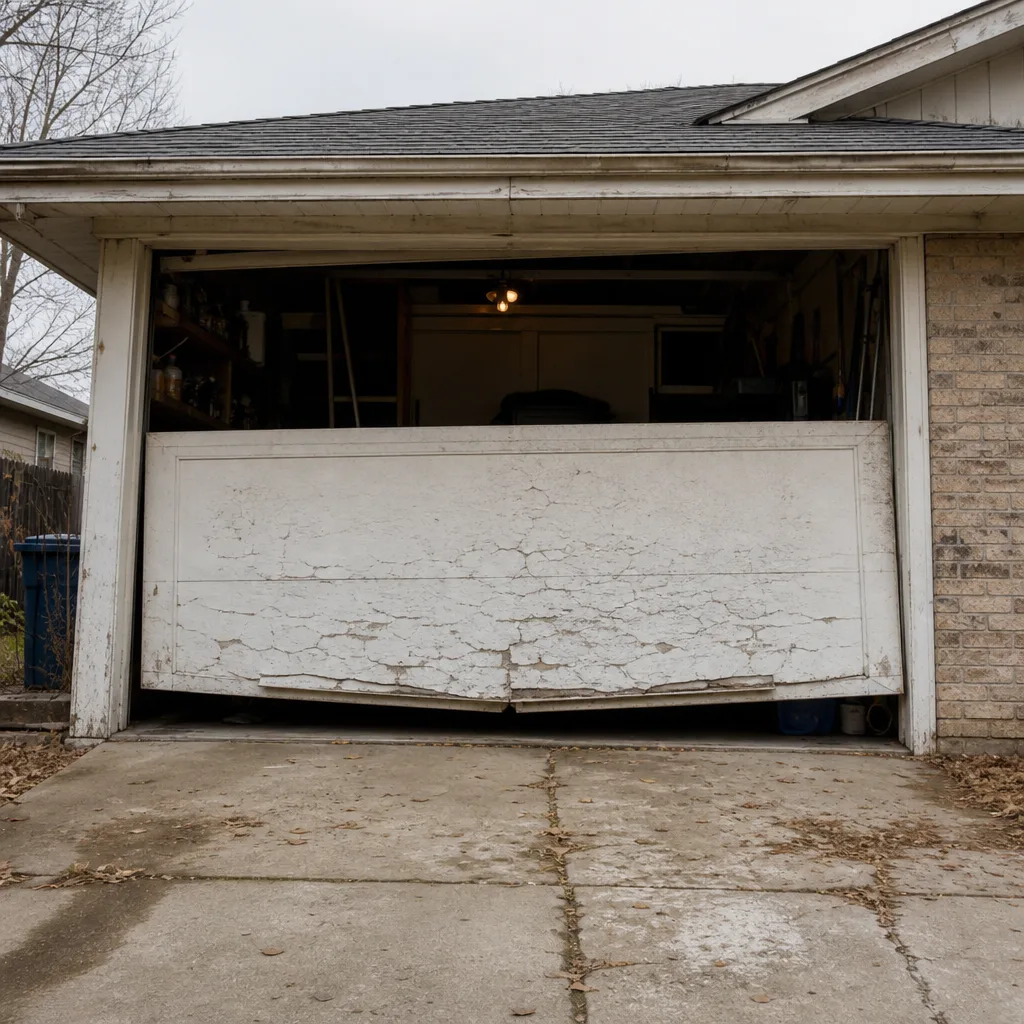 Before
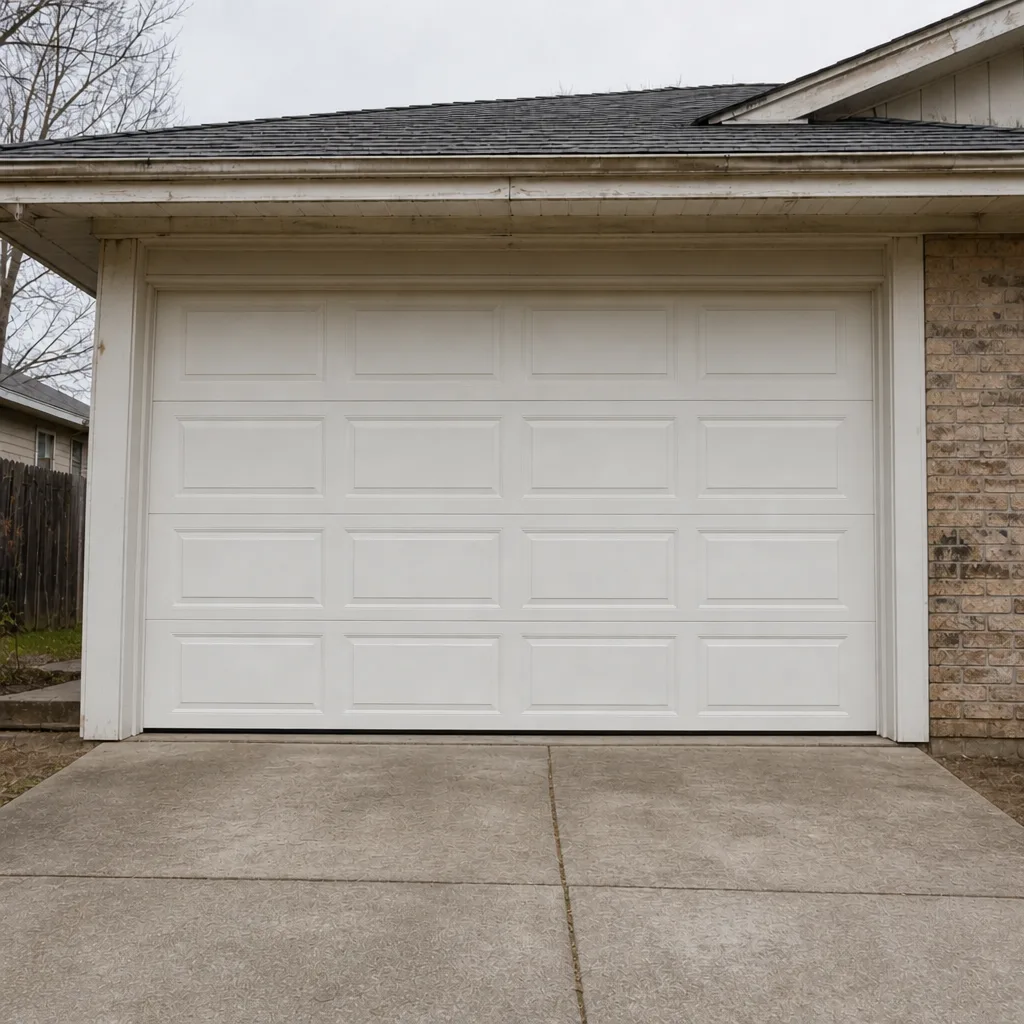 After
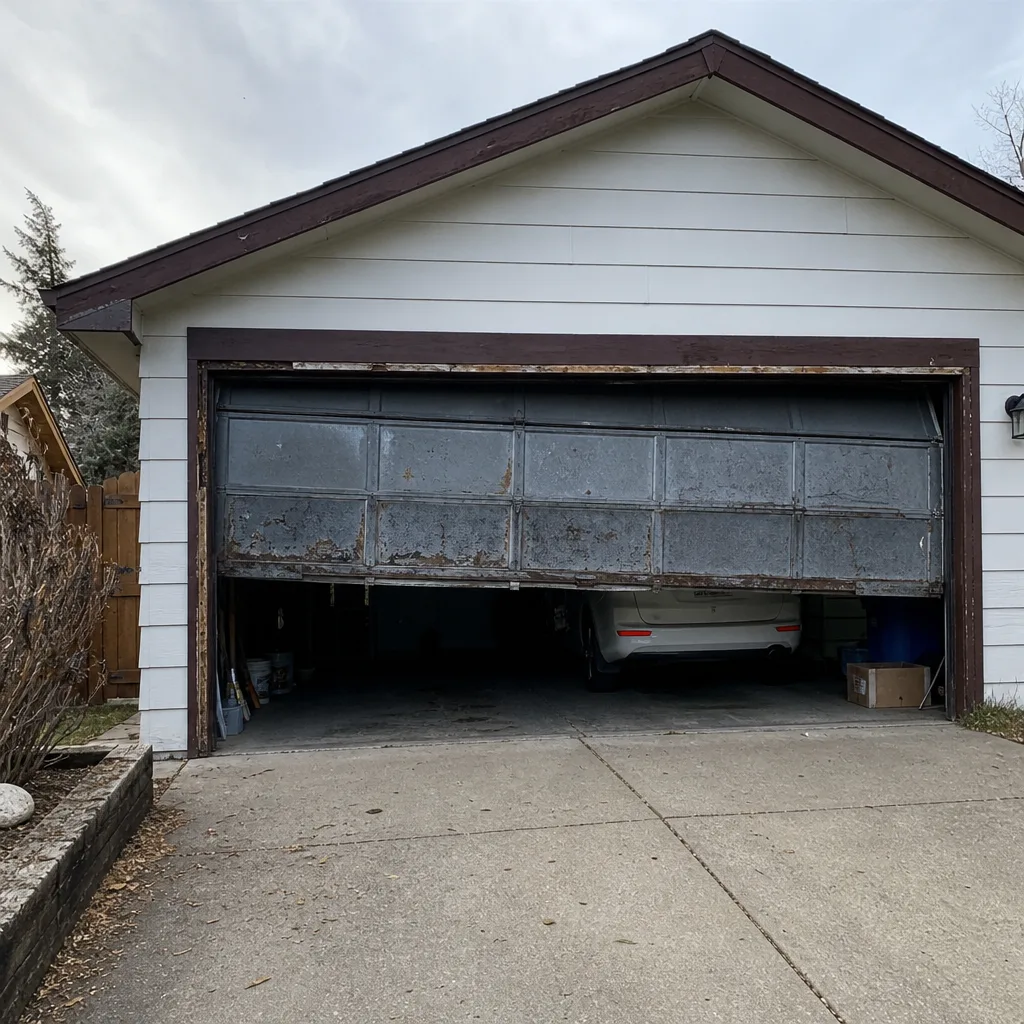 Before
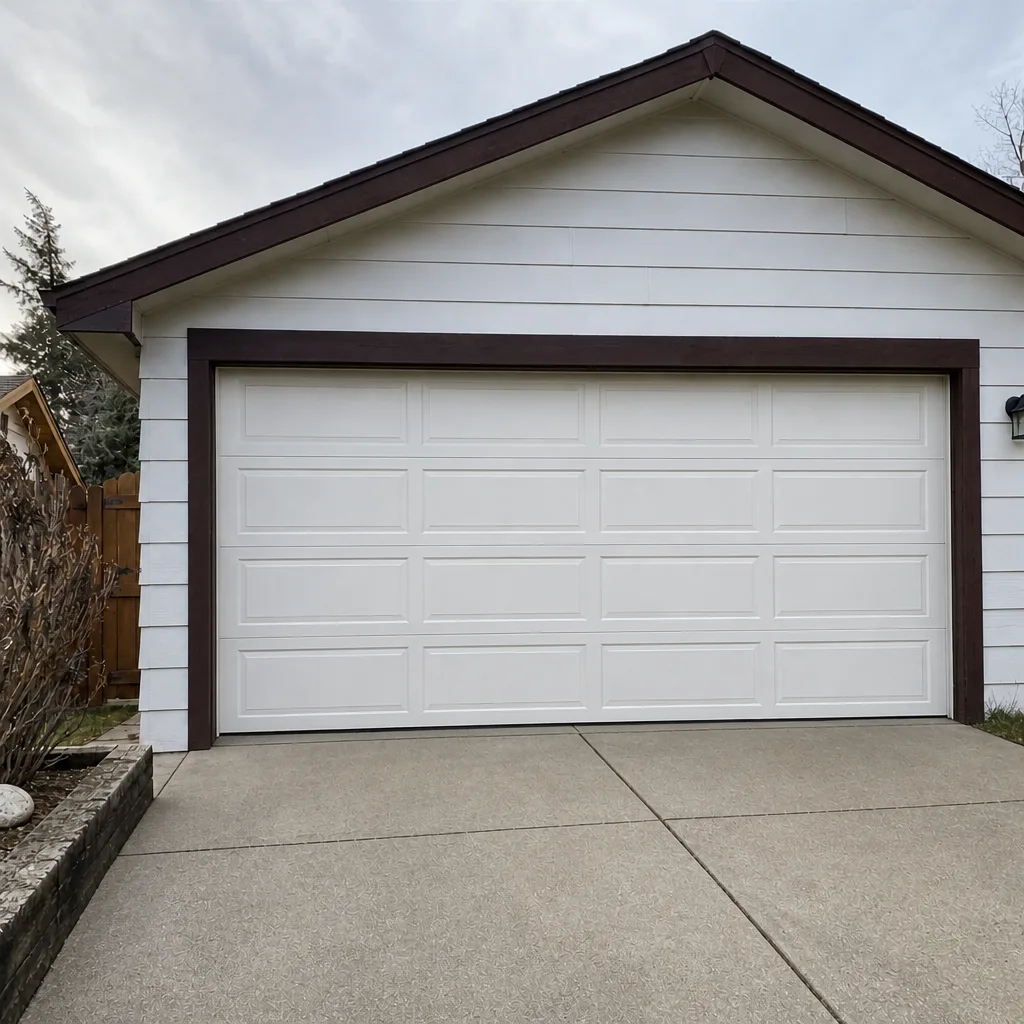 After
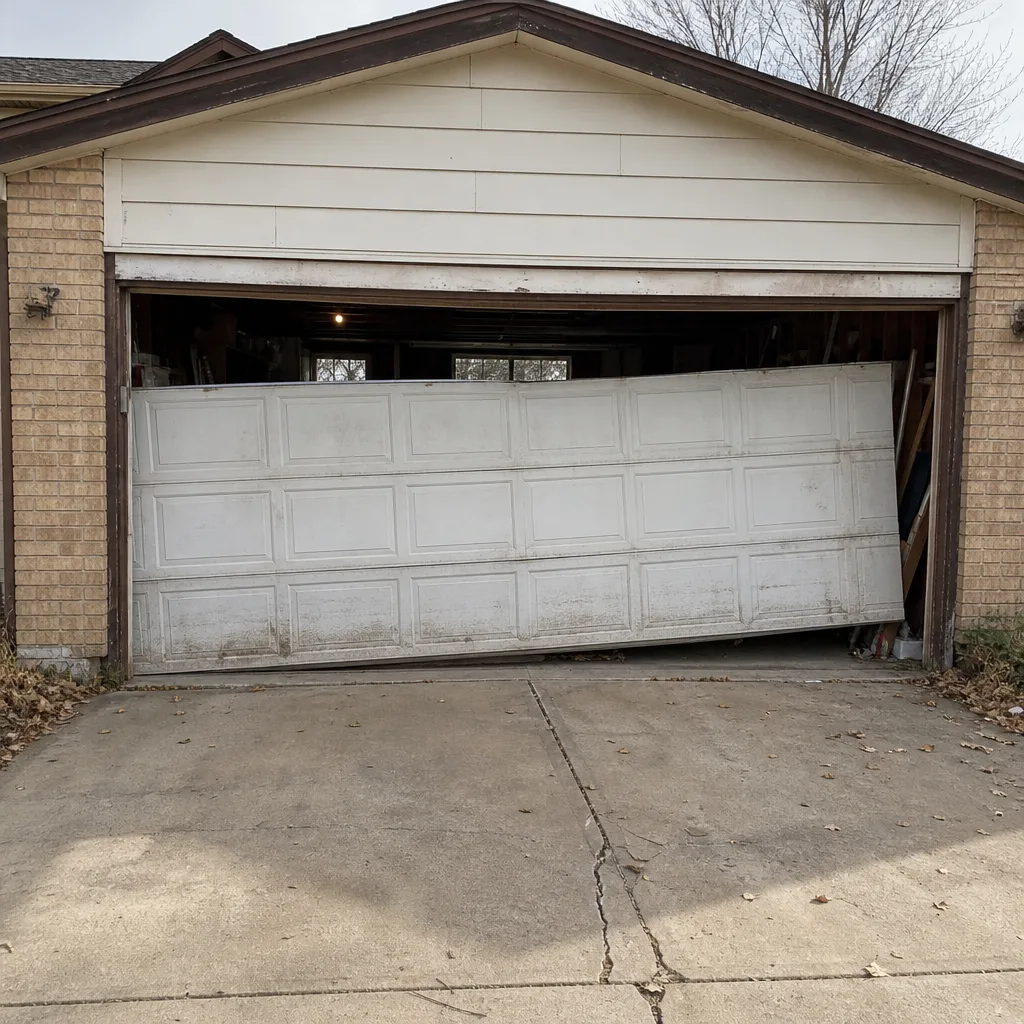 Before
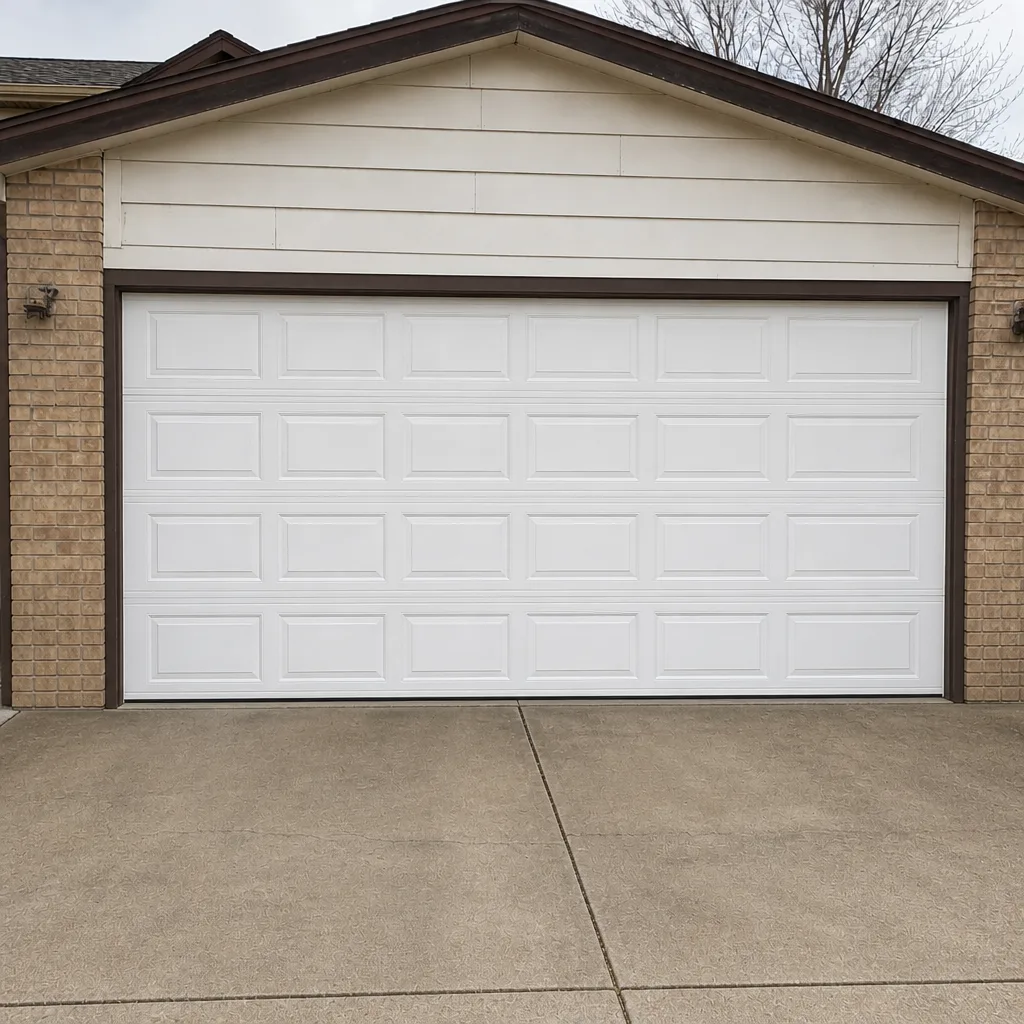 After
When to Call a Professional
Call a professional when the door won’t close or open reliably, when the opener runs but the door doesn’t move, when you see a visibly broken or stretched spring, when a cable is frayed or off its drum, or when the door moves crookedly and binds. Those are the signals of a safety-critical failure, and they’re the ones where a trained technician matters most. A door hanging off one spring or a frayed cable is not a wait-and-see situation.
Emergency service is a genuine part of what we offer, not a seasonal extra. If the door fails at a bad time, call and we’ll get it worked into the schedule as fast as we can, including early mornings or Sundays for urgent cases. Centennial Garage Door Repair Pros offers free estimates in Centennial – call (877) 542-4141, and you’ll get a written price before any work starts.
Frequently Asked Questions
The best brand for a Centennial home is one with local dealer and parts support in the Denver metro, a steel gauge and insulation value matched to the area’s temperature swings, and a warranty someone locally can honor. Brands like Clopay, Amarr, Wayne Dalton, and Raynor generally fit that bill, paired with an opener from LiftMaster, Chamberlain, or Genie. Call (877) 542-4141 for a free estimate on what fits your home.
It matters for repairs as much as for new doors, because parts availability and brand-specific failure patterns determine how fast a repair gets done. A technician familiar with your brand can often get the part locally instead of waiting on a factory order. Call (877) 542-4141 for a free estimate.
Choose the opener brand first in most cases, because the opener is the smart part of the system and its features, remotes, and app compatibility shape what door makes sense. The door is the mechanical part and can usually be matched to a given opener. Call (877) 542-4141 for a free estimate.
Ask a local garage door technician directly whether that brand’s parts are stocked or special-ordered and how long an average repair takes. That one question reveals more than any national ranking. Call (877) 542-4141 and we’ll walk through the brands we work on.
A limited lifetime warranty typically covers door panels against defects for the longest term, with shorter terms on hardware and the shortest on springs, which are wear parts. Read the component breakdown, including original-homeowner limits, and confirm local dealer support so the warranty is usable. Call (877) 542-4141 for a free estimate.
Springs are usually covered for a much shorter term than panels, because they’re wear parts with a finite cycle life and expected to fail eventually. That’s a warranty question and a safety question – spring replacement should always go to a trained technician. Call (877) 542-4141 for a free estimate.
The Bottom Line
The best garage door brand in Centennial is the one you can keep working, not the one with the most stars from another state. Local dealer and parts support in the Denver metro beats a national rating every time a hinge or opener fails. Match steel gauge and real R-value to the area’s temperature swings, respect the wind load on exposed sides of the home, let your opener brand lead the door decision, and read the warranty by component. Do those things and you’ll avoid the weeks-long parts wait that sinks the flashy brand with no local support. Every brand we named – LiftMaster, Chamberlain, Genie, Clopay, Amarr, Wayne Dalton, Craftsman, and Raynor – is a brand we work on, and we’re here when your door needs to work again.
Ready to sort out the right door and opener for your Centennial home? Call Centennial Garage Door Repair Pros at (877) 542-4141 for a free estimate, and we’ll give you a written price before any work begins. Our team works on LiftMaster, Chamberlain, Genie, Clopay, Amarr, Wayne Dalton, Craftsman, and Raynor, and every estimate is free.
Written by the team at Centennial Garage Door Repair Pros.