Last updated November 22, 2026
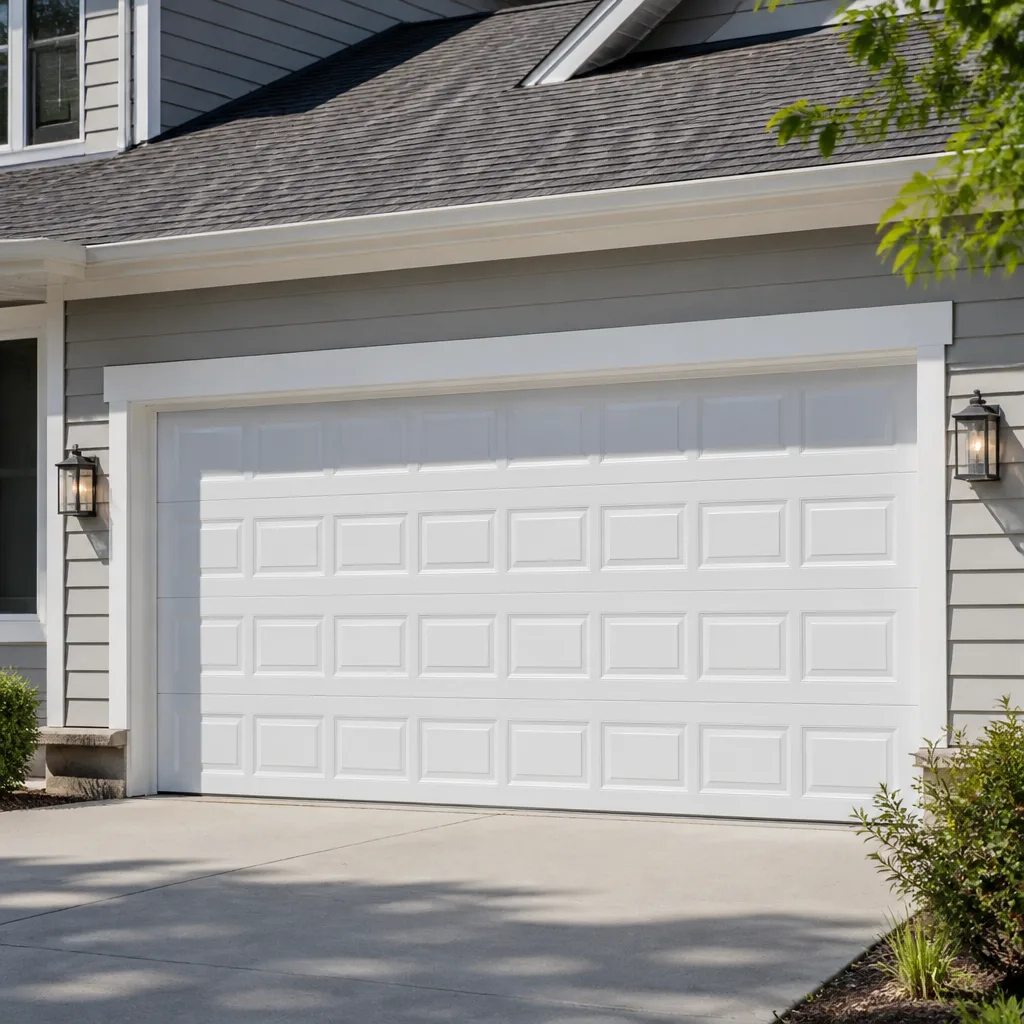 Raised-panel steel
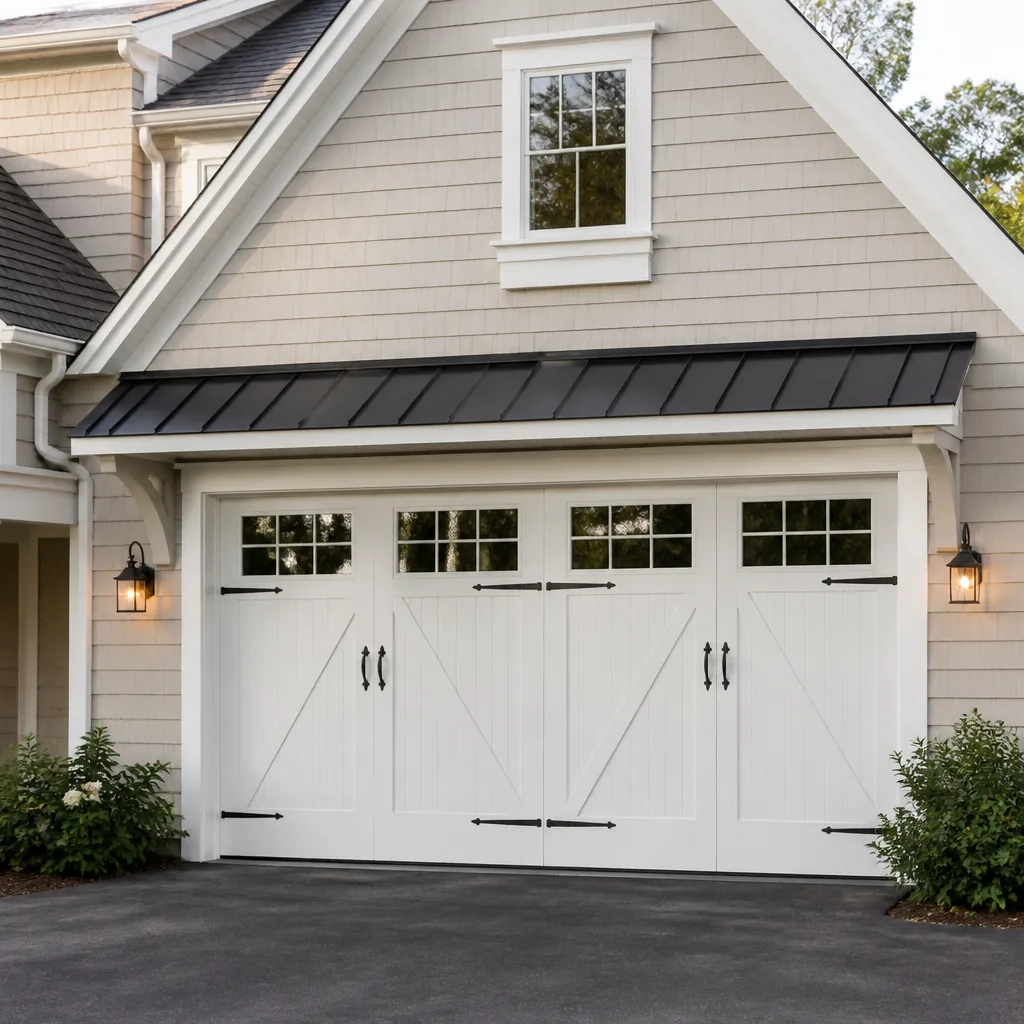 Carriage house
 Modern flush
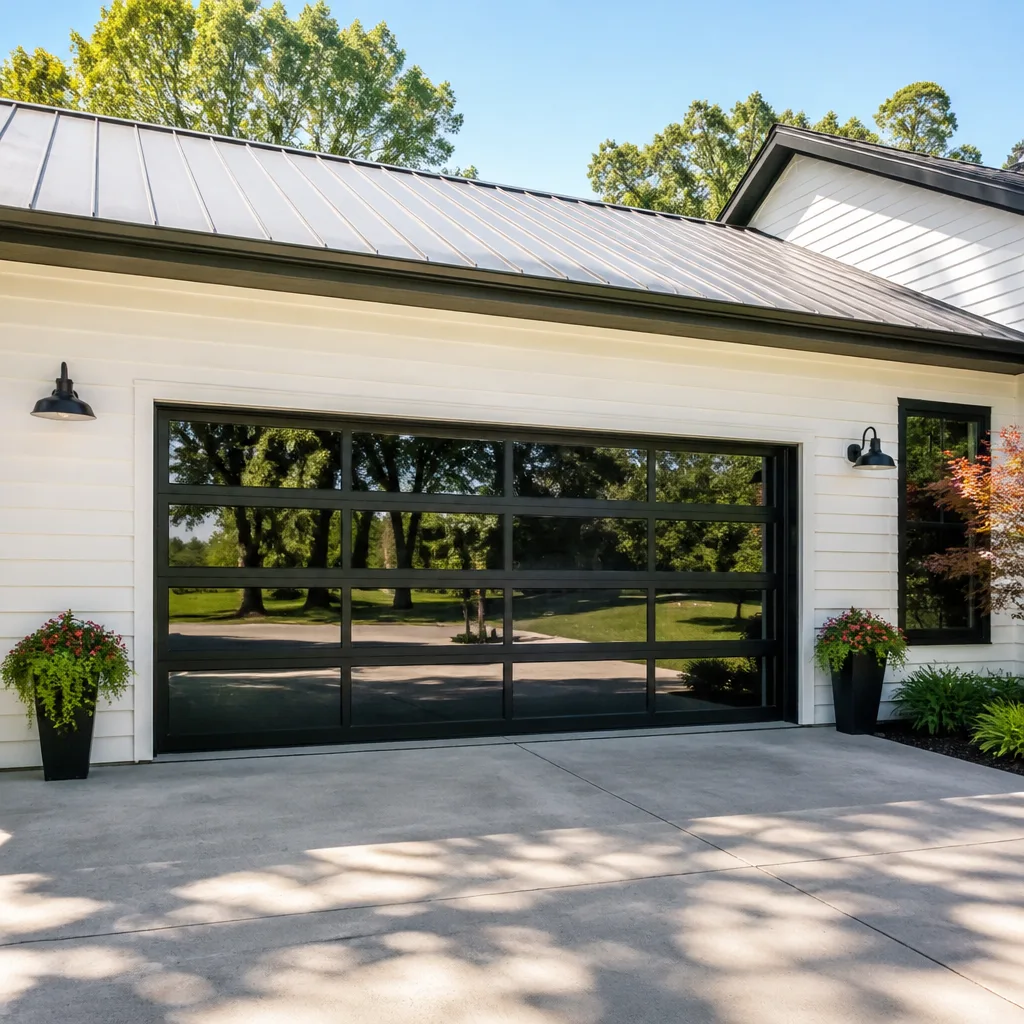 Full-view glass
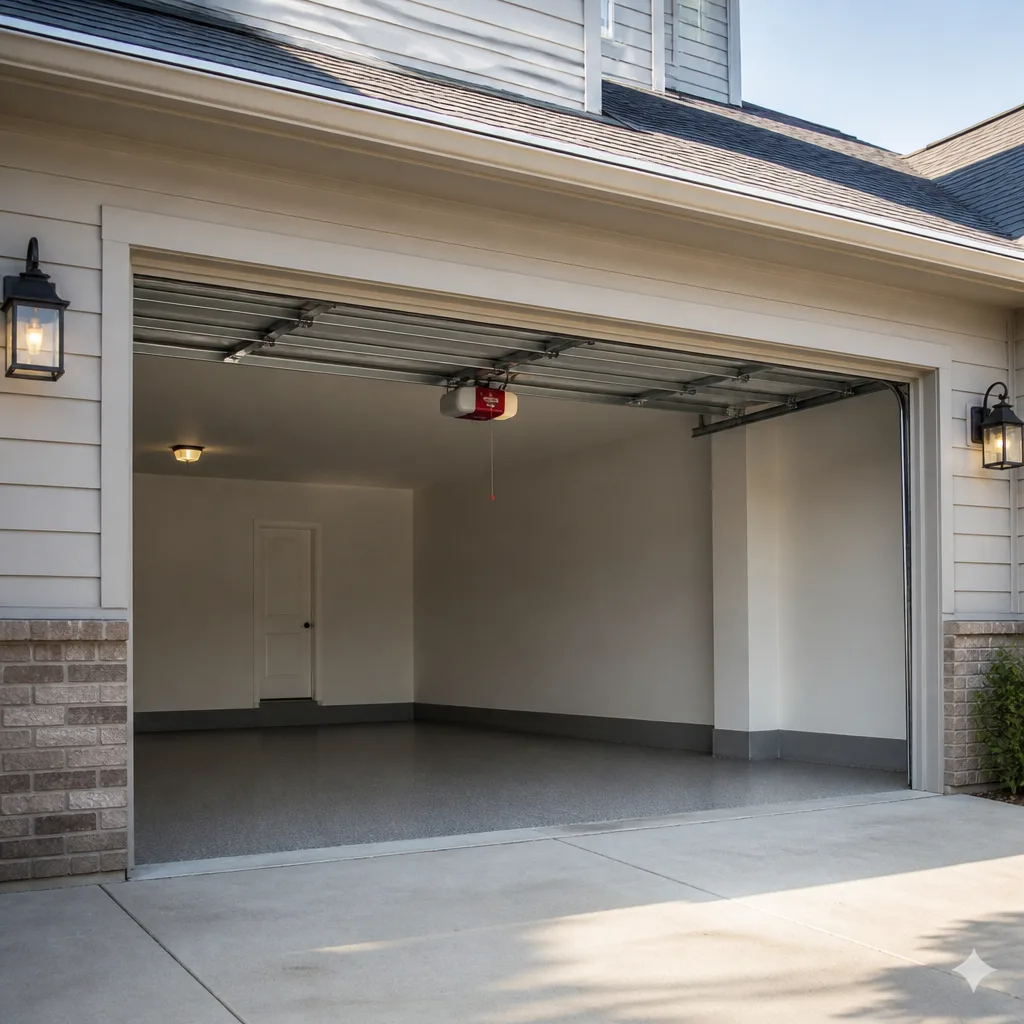 LiftMaster openers
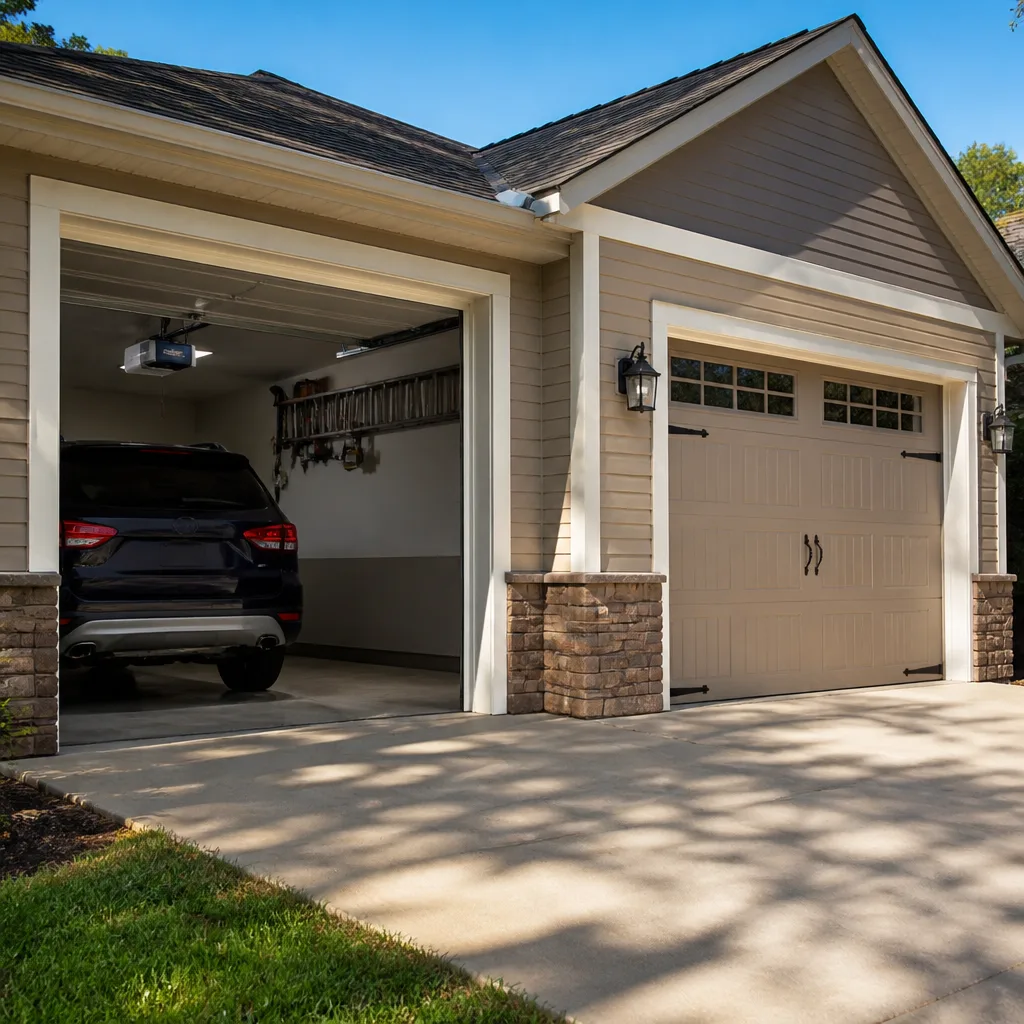 Chamberlain openers
Full 25-point door and opener safety check with every visit - springs, cables, rollers, tracks, and your LiftMaster or Chamberlain opener included
You get a price before we start. It does not change when the pro arrives.
Get your free estimateHow to Hire a Garage Door Contractor in Centennial: A Step-by-Step Guide
A general handyman and a dedicated garage door technician can quote the same spring replacement job within twenty dollars of each other. The difference shows up months later, when the handyman set the wrong winding tension and the door starts dropping unevenly, or when a torsion spring sized for the wrong door fails early and you’re paying specialist rates to fix a generalist’s work. Homeowners in Centennial tend to shop on price and availability. The real filter is technical fluency: can the person you’re hiring answer a question about your specific door model without guessing? This guide walks through the screening process step by step, from the first phone call to the signed estimate, so you can tell a specialist from a side-job contractor before any work begins.
Quick Answer
To hire a garage door contractor in Centennial, verify three things before you book: that the company does garage doors as its main trade rather than as an add-on, that it can name your door or opener brand and explain how it diagnoses that system, and that it carries current liability insurance and workers’ comp with certificates you can actually see. Ask for a written, itemized estimate that separates parts from labor, and confirm the price is locked before work starts. A specialist passes all three in a short call. A generalist stalls or deflects.
Styles & brands we work with
- Raised-panel steel
- Carriage house
- Modern flush
- Full-view glass
- LiftMaster openers
- Chamberlain openers
Table of Contents
- Step 1: Tell a Garage Door Specialist From a Generalist
- Step 2: The Five Questions That Separate the Two
- Step 3: What Colorado Licensing Covers (and What It Doesn’t)
- Step 4: Red Flags Specific to the Centennial Market
- Step 5: How to Read a Garage Door Estimate Line by Line
- Step 6: What Garage Door Work Costs in Centennial
- Step 7: Why Three Quotes Can Backfire (and What to Do Instead)
- Common Mistakes to Avoid
Step 1: Tell a Garage Door Specialist From a Generalist
The garage door trade looks simple from the driveway and isn’t. A sectional door is a counterbalanced mechanical system, and every part interacts with every other part: spring tension, cable tension, track alignment, roller wear, hinge spacing and opener force all affect how the door moves. A specialist has spent years watching those interactions play out on the same equipment. A generalist has watched them a handful of times between plumbing calls.
That gap shows up in how each one approaches a diagnosis. A garage door specialist will look at a binding door and immediately consider roller and hinge wear, track plumb, and whether the last person to touch the door set the torsion correctly. A generalist will often assume the opener is at fault and start replacing parts. When a door struggles, the opener is frequently the messenger, not the problem.
Ask what share of the company’s work is garage doors. If the answer includes HVAC, roofing, or remodeling, that’s not a garage door company. That’s a general contractor with a garage door line item. Some of those do competent work, but you’re paying the same rate for less specialization, and you’re calling a different trade when the problem turns out to be something they don’t usually handle.
Here’s a quick way to sanity check: ask the company to name the brands it services most. A specialist reels off names without pausing, because brand familiarity is the daily texture of the job. We’re factory-familiar with LiftMaster, Chamberlain, Genie, Clopay, Amarr, Wayne Dalton, Craftsman and Raynor, and each one has its own quirks in how it’s built and how it fails. If a contractor answers “we work on all of them” without naming any, they probably don’t work on any of them often.
Step 2: The Five Questions That Separate the Two
You don’t need to know a torque wrench from a winding bar to screen a contractor. You need five questions, asked in order, that a specialist answers on the spot and a generalist either dodges or over-explains. These are the exact questions we’ve heard Centennial homeowners ask when they call us after a disappointing first experience.
- “What brand is my door and opener?” An opener install is a matched job. A specialist will ask for the brand, the model if the homeowner has the manual, and the door’s age and material. A generalist will ask you to send a photo and guess from the color.
- “How many inches per turn is your torsion spring rated for?” This is the IPPT question, and it’s the fastest single test of whether you’re talking to a real garage door technician. Every torsion spring has an inch-pounds-per-turn rating (IPPT) tied to the door’s weight and drum size. A specialist knows the number matters, knows the range for standard residential doors, and knows that a mismatched spring will shorten service life and change how the door balances. A generalist has never heard the term.
- “Do you replace the matched pair or just the broken spring?” Torsion springs on a two-spring door wear together, so replacing one and leaving the other is asking for a call back in a few months. A specialist recommends the pair and explains why. A generalist quotes the single spring because it’s the lower number.
- “Can you walk me through your parts and labor on the estimate?” Every specialist does this in their sleep because their estimate breaks them out already. If the answer is a flat price with no breakdown, the padding is somewhere in that number.
- “What happens if the door fails after you leave?” A written workmanship warranty is standard from a garage door company and rare from a handyman. Ask who holds it, for how long, and what it covers. Vague assurances are a warning sign.
Any one question can be misfired. Two or three together will tell you almost immediately whether you’re speaking to someone who works on doors for a living.
Step 3: What Colorado Licensing Covers (and What It Doesn’t)
Colorado does not have a statewide general contractor license, and that surprises almost everyone. Licensing in Colorado is handled at the municipal and county level, and what falls under a general contractor classification varies by jurisdiction. A garage door contractor working in Centennial may or may not be required to hold a specific license depending on the work in scope, and the rules change by jurisdiction. Before you book, ask the city’s building department directly whether the job needs a permit and what license status the contractor should hold. It’s a two-minute phone call, and it’s the only way to know for certain.
The bigger screening tool is insurance. Liability insurance covers damage a technician causes to your home, your vehicle, or a neighbor’s property. Workers’ compensation covers the technician if they’re injured on your property. Both matter more than the license number because they’re the two things that protect you the moment a wrench slips. Ask for both certificates and read the effective date. A certificate that expired six months ago is not proof of coverage.
You’ll also want to know whether the technician arriving at your door is an employee or a subcontractor. Subcontractors may carry their own insurance, or may not. If a company won’t tell you which, that’s a clue the answer would make you uncomfortable.
And because Centennial has a mix of older homes and newer construction, the age of the door affects what’s required. A pre-1993 door on an original spring system may be a safety concern regardless of licensing, since automatic-reverse safety features weren’t standard before federal rules tightened. A contractor who asks how old the door is before they arrive is thinking about the whole system, not just the spring. Ask what year your own door was built, if you know it. If you don’t, the manufacturer’s sticker inside the jamb or on the opener housing will usually tell you.
Step 4: Red Flags Specific to the Centennial Market
Centennial has a rental-heavy stretch, a lot of older single-family homes, and a steady stream of out-of-area companies dialing for business. That combination makes the market a target for a few specific patterns. These are the ones we see most often when homeowners call us after the first contractor leaves.
- Out-of-state LLCs with local phone numbers. A company based across the country can register an LLC, forward a local number, and dispatch a rented truck. The problem isn’t the truck, it’s the warranty: if the company isn’t reachable in Colorado to honor a callback, you’re left trying to negotiate with a phone tree. Ask where the company is based, who answers the phone during business hours, and how they handle warranty follow-ups. If they can’t say, don’t book.
- Bait-and-switch spring pricing. The advertised price is for a “standard” spring replacement. When the technician arrives, the door “needs” a heavier spring, new cables, and new rollers. Every upsell might be legitimate, but it should be explained in plain terms with a written revised estimate before anyone touches the door. If the price changes after the technician is on site and the explanation is rushed, push back.
- “Lifetime warranty” with no local warranty-holder. A lifetime warranty only matters if there’s a named company that will honor it. Ask who the warranty is held by, how it transfers if you sell the house, and whether the warranty specifically covers the parts installed today. If the answer is a booklet rather than a company name, the warranty isn’t worth much.
- No written estimate before work begins. A garage door spring repair is not an emergency permit to skip paperwork. The written estimate is your protection. A company that won’t put the job in writing before starting has already told you what the invoice will look like.
- Door replacement pitched as the only option. A binding door with a good track and intact panels usually needs springs, cables, or rollers, not a new door. A specialist offers a repair estimate first. If repair isn’t possible, they explain why with specifics (bent track, cracked panel, dead opener motor), not a generic “the door is worn out.”
None of these are impossible to work around, but each one is a signal worth taking seriously before you hand over a credit card. In Centennial, door replacement is a significant purchase, and pushing that before exploring repair is the inverse of how a specialist thinks.
Step 5: How to Read a Garage Door Estimate Line by Line
A good garage door estimate has four sections: parts, labor, disposal and warranty terms. A bad one has a single number and a signature line. Here’s what each section should look like and what padding looks like.
Parts
Common parts should be named and priced individually. Spring, cables, rollers, hinges, bearings, bottom seal, opener unit, and any tracks or panels should each have a line item. If the estimate says “spring assembly” as a single $200 line with no breakdown, you can’t tell whether it’s a matched pair, a single spring, or whether it includes bearings and cables. Ask for the breakdown before you sign.
Labor
Labor is usually quoted either per job or per hour, and both are fine as long as you can compare. A spring replacement estimate that’s mostly labor is normal for a single-spring job. A spring replacement estimate that’s mostly parts is a sign the company marked up the parts to hide labor. Neither is wrong, but the split tells you what you’re paying for. Ask how many hours the technician expects, and if the number seems off, ask why.
Disposal
Most estimates include hauling away old springs, cables and rollers. Some don’t. Ask explicitly whether disposal is included and what it costs. It’s a small line item, but it’s a useful tell: a company that hides the disposal charge is a company that hides other charges.
Warranty terms
The parts warranty and labor warranty are two different things and need to be stated separately. A five-year parts warranty with a thirty-day labor warranty is less protective than it sounds. Confirm both, in writing, before the technician starts.
For a deeper walkthrough of what specific repairs involve, see our breakdown of garage door repair, which covers the most common failures line by line.
Step 6: What Garage Door Work Costs in Centennial
Homeowners ask us for pricing before they ask for anything else, and understandably: garage door work has a reputation for surprising invoices. The ranges below are typical estimates for the Centennial market, not quotes. They shift with door age, brand, number of springs, and access, and the written estimate is what sets the final price. Estimates are always quoted and agreed before any work starts.
| Job | Typical estimate | Notes |
|---|---|---|
| Torsion spring replacement (single spring) | $180 to $340 | Includes spring, labor and standard disposal |
| Torsion spring replacement (matched pair) | Roughly twice the single-spring range | Replacing both is standard on two-spring doors |
| Extension spring replacement (per spring) | $150 to $280 | Extension springs are common on older doors |
| Garage door opener repair | $90 to $260 | Depends on part (gear, logic board, motor) |
| New garage door opener install | $280 to $650 | Includes opener and basic labor; door springs may need adjusting |
| Cable replacement (per cable) | $110 to $250 | Usually paired with spring work |
| Panel replacement | $200 to $600 per panel | Depends on door material and manufacturer availability |
| New single-car garage door installation | $900 to $2,200 | Includes door, hardware and labor; opener sold separately |
| New two-car garage door installation | $1,300 to $3,200 | Varies by material (steel, aluminum, wood-look) |
| Emergency garage door service (call-out) | Adds to standard repair price | The premium reflects after-hours response, not inflated part prices |
Two things to notice in that table. First, spring pricing is always per spring, not per door. A two-spring door costs roughly twice the single-spring estimate, and any company that quotes one spring price for a two-spring door is either not replacing both or not being clear about what you’re buying. Second, opener work and door work are separate line items. A new opener on a door with weak springs will run poorly and can wear out the motor prematurely. Ask whether spring tension was checked before the opener was quoted.
For a deeper look at opener work specifically, see our page on garage door opener repair. If you’re pricing a whole new door, garage door installation covers the measurement and product-selection process.
If the estimate you’ve been given looks significantly above the range above, ask for the breakdown before you commit. If it looks significantly below, ask what’s been left out. An unusually low spring quote is often the beginning of the bait-and-switch described earlier.
Step 7: Why Three Quotes Can Backfire (and What to Do Instead)
The conventional advice – get three quotes for any home repair – works for a kitchen remodel and mostly fails for a garage door spring replacement. Here’s why. A spring swap on a standard door is a fifteen-to-thirty-minute job for a trained technician, and the parts cost is largely fixed because the door dictates the spring size. Three quotes for the same job will usually land within $40 of each other, and the differences have less to do with skill than with parts markups and trip fees. You’ve spent hours scheduling visits to learn that the middle quote is $260 and the range is $240 to $290.
What actually matters is whether the person you hire will use the right spring and set it correctly. The verification looks different:
- Ask the parts question directly. “What spring are you installing, and does it match what’s on the door now?” A specialist will tell you the IPPT rating, the wire size, and the length. A generalist won’t.
- Ask what’s included in the price. Bolts, bearings, end plates, and hauling away old parts vary. A $240 quote that doesn’t include bearings is not cheaper than a $270 quote that does.
- Ask about the warranty holder by name. If the company is not local or not named, the warranty isn’t real. One local warranty-holding company beats three nameless quotes.
- Call your city building department or a neighbor who’s had door work done recently. For a spring repair of this size, a neighbor’s actual experience is worth more than a quote from a company whose truck you’ve never seen in the area.
None of this is an argument against getting a second opinion if something feels off. It’s an argument against treating the price as the only differentiator. In Centennial, where the same door model shows up in dozens of neighborhoods, two quotes for the same door should look almost identical. If they don’t, ask why before you pick one.
If you’re still building a short list, start with Centennial Garage Door Repair Pros to see the services we cover – a good reference for comparing any other company’s scope of work.
Common Mistakes to Avoid
- Hiring a general handyman for spring work. Torsion springs carry lethal stored tension and require specific tools, training and technique. A handyman who accepts a spring job is telling you something about their judgment. Garage door springs are the highest-stakes repair on the door, and only a dedicated specialist should touch them.
- Accepting a phone quote without the brand on file. A spring quote without knowing the door’s brand, weight and current spring size is a guess. If a company quotes before confirming the door model, that number has no relationship to the job.
- Skipping the insurance certificate. A bill of health from a company that isn’t insured means your homeowner’s policy may be the one paying if the technician is injured or your car gets damaged. Ask for the certificate and check the date.
- Paying the full amount up front. Deposits for custom orders (doors, panels) are normal. Full payment before work starts is not. Standard practice is a deposit if a specialty part has to be ordered, balance on completion.
- Ignoring the door’s age and safety features. If the door predates automatic-reverse safety systems and the photo-eye setup that became standard after federal rules tightened in the early 1990s, ask about adding a modern opener with these safety features. It’s not an upsell. It’s a safety concern for kids, pets and cars.
- Calling an emergency service for a non-emergency. If the door won’t open but the car isn’t blocked and no one’s exposed to the broken spring, a standard appointment is cheaper than an emergency call-out. Save emergency dispatch for the times the door actually won’t close, won’t open, or has visibly failed with the car inside.
- Treating “lifetime warranty” as one word. Ask who holds the warranty, what exactly it covers (parts, labor, or both), and how long each side lasts. A lifetime parts warranty with a 30-day labor warranty means the part is free when it fails and you’re paying full labor to install it.
When to Call a Professional
Some garage door issues are genuinely DIY-friendly. A remote that won’t sync, a photo-eye knocked out of alignment, a weird noise you can localize to the opener’s plastic housing – these are worth checking yourself before calling anyone. Everything else in the door’s mechanical system is a professional call. That includes any spring that has broken, any door that has stopped opening or closing under its own power, any door that reverses immediately when it hits the floor, any door with a visible bend in the panels or track, and any door where the cable has come off its drum. The safety rationale is straightforward: a door under spring tension can release stored energy instantly and without warning, and the tools of this trade exist for a reason.
If your door qualifies for any of the above, don’t open or close it again until a technician has assessed it. Leaving the door in the down position, disconnected from the opener if possible, and calling for service is the safe sequence. Centennial Garage Door Repair Pros offers free estimates in Centennial; call (877) 542-4141 and we’ll help you figure out whether your situation is routine repair or an emergency call-out before we schedule anything.
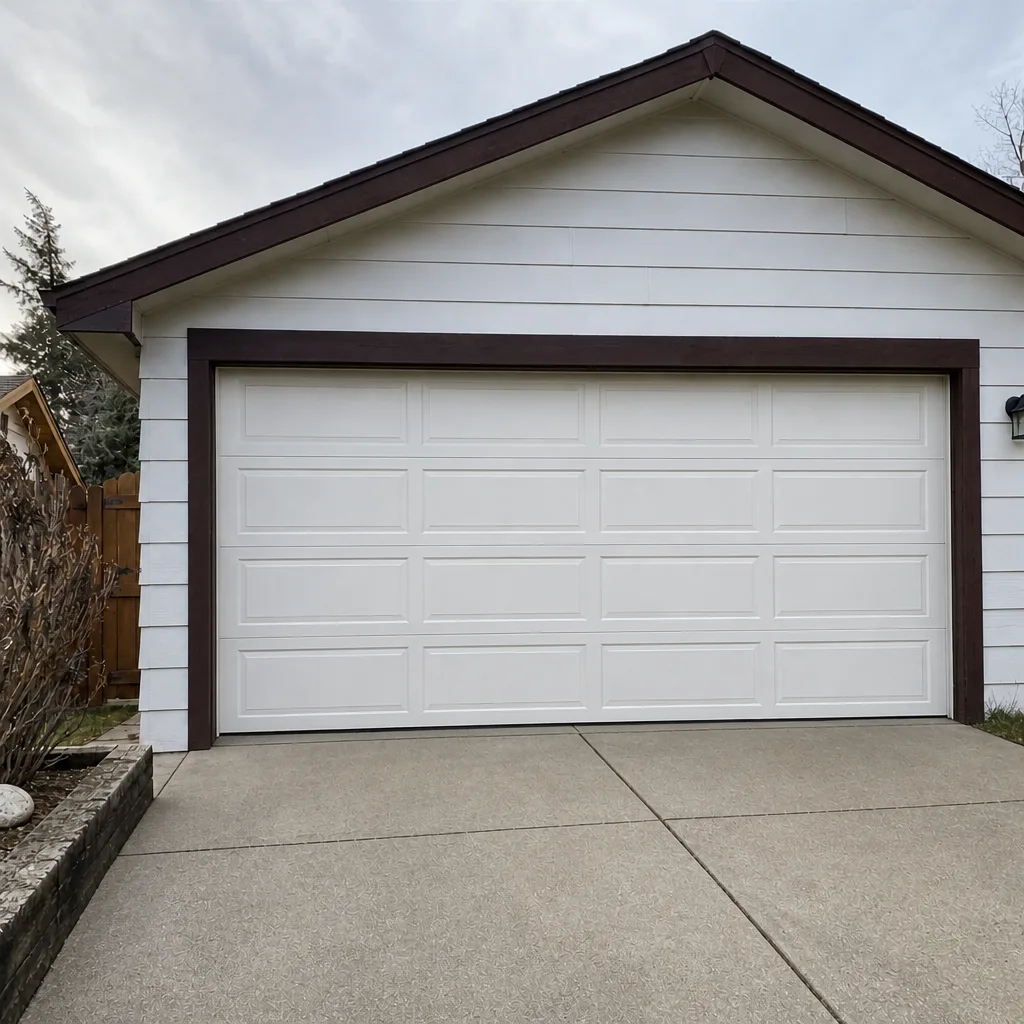
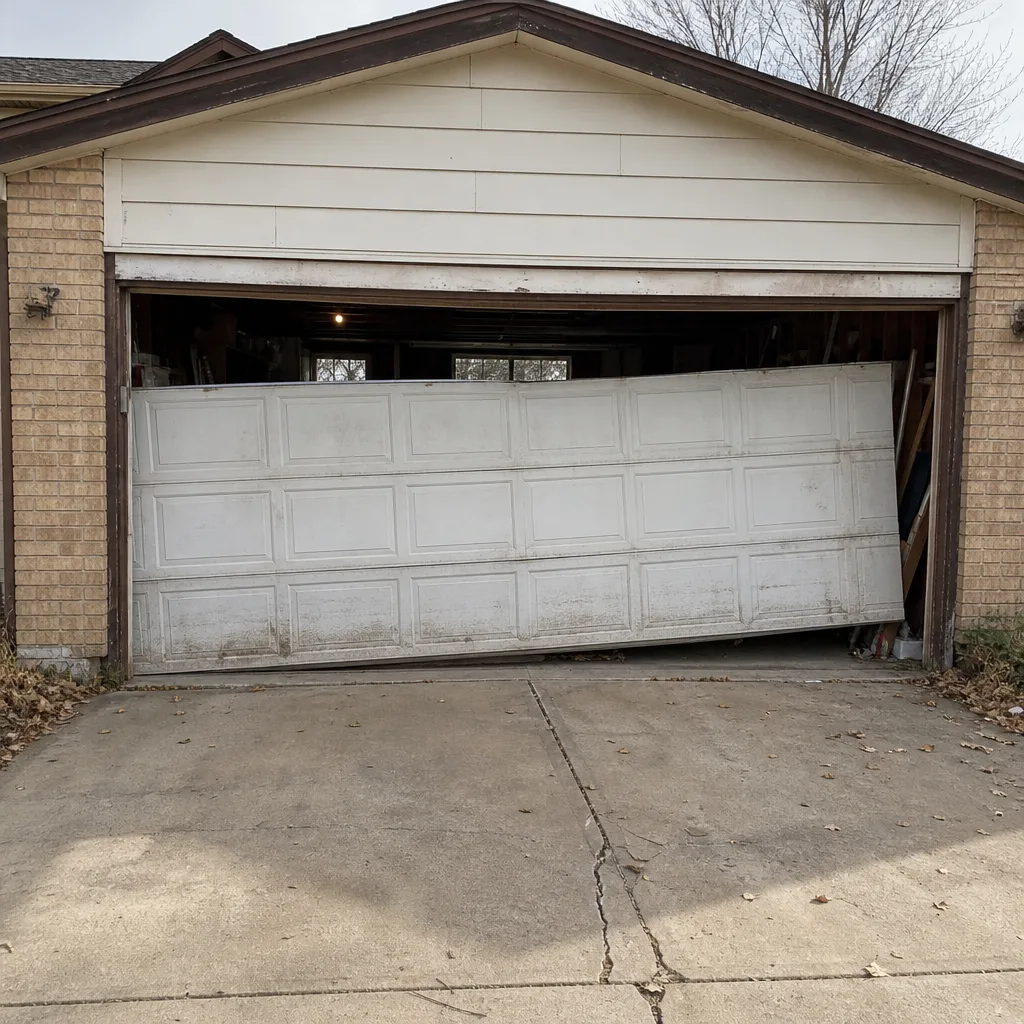
See the difference
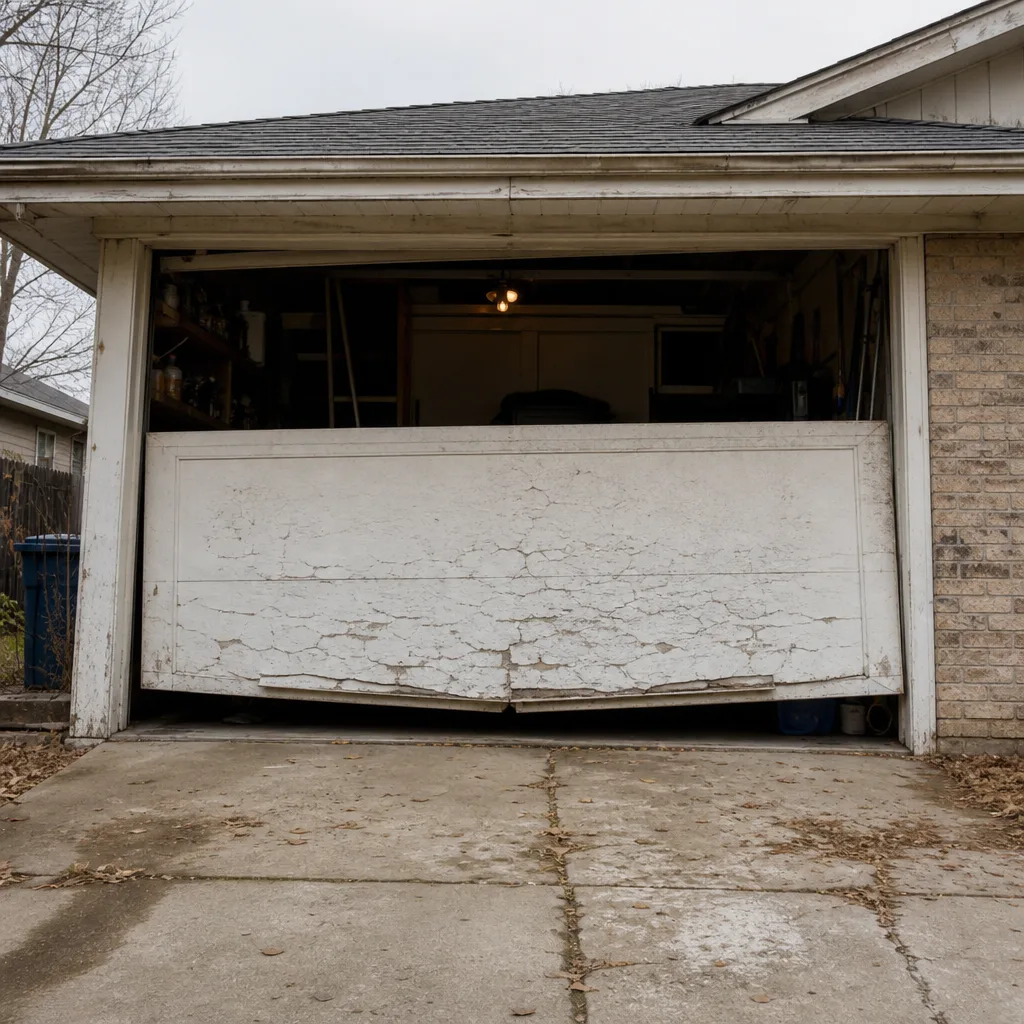 Before
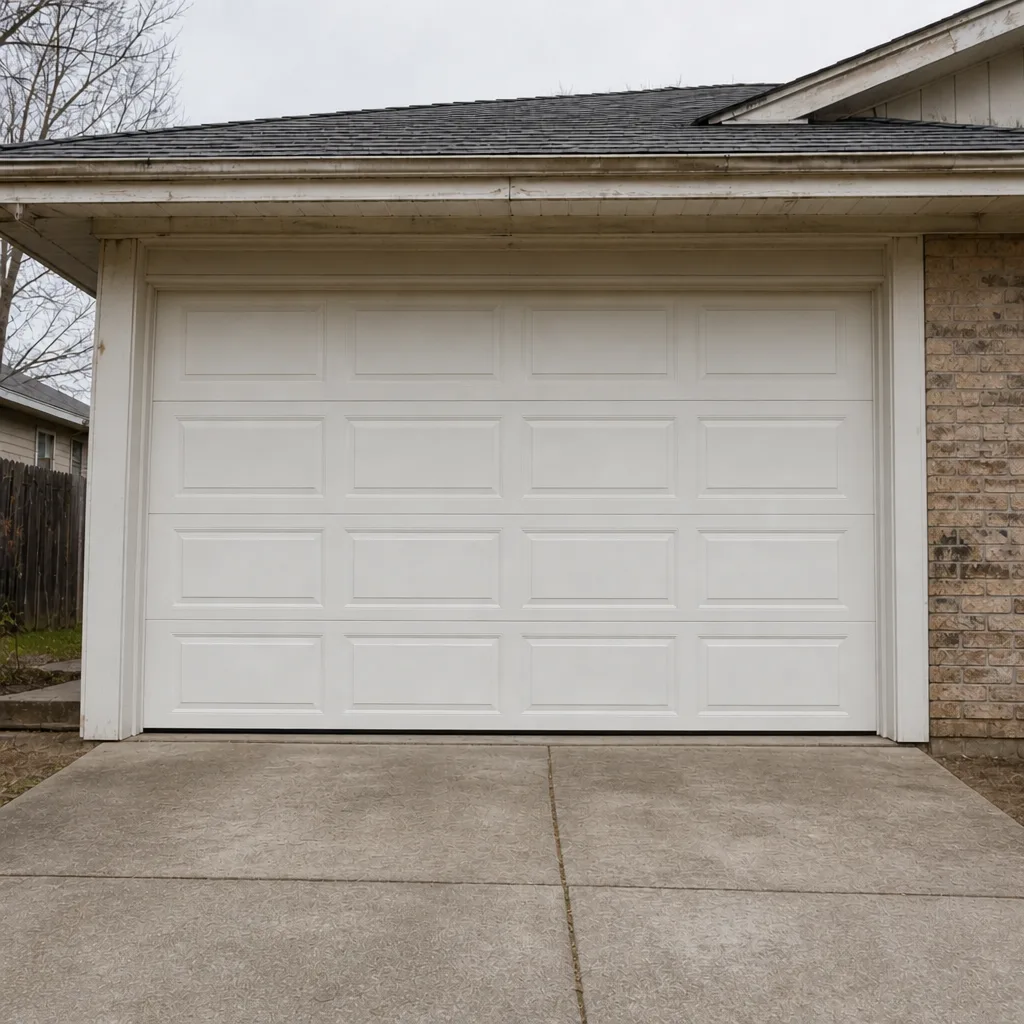 After
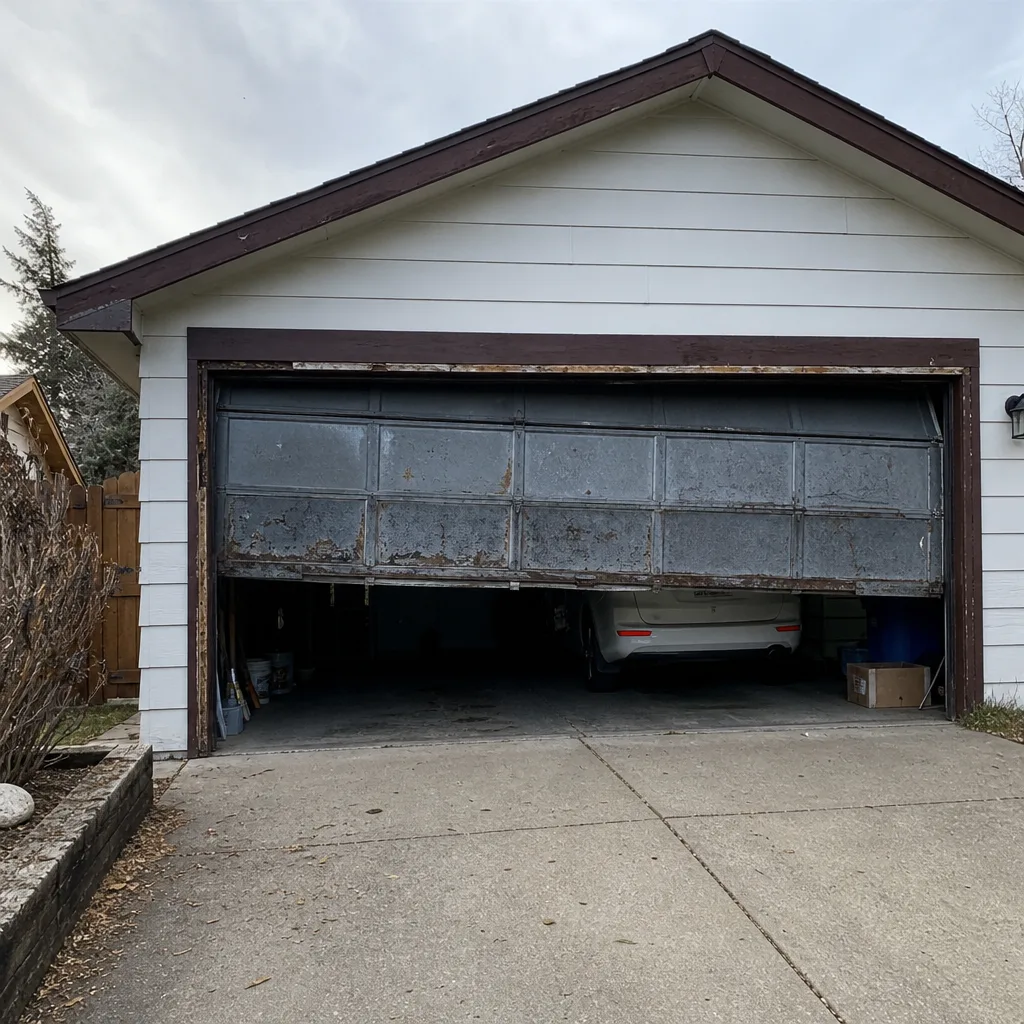 Before
 After
 Before
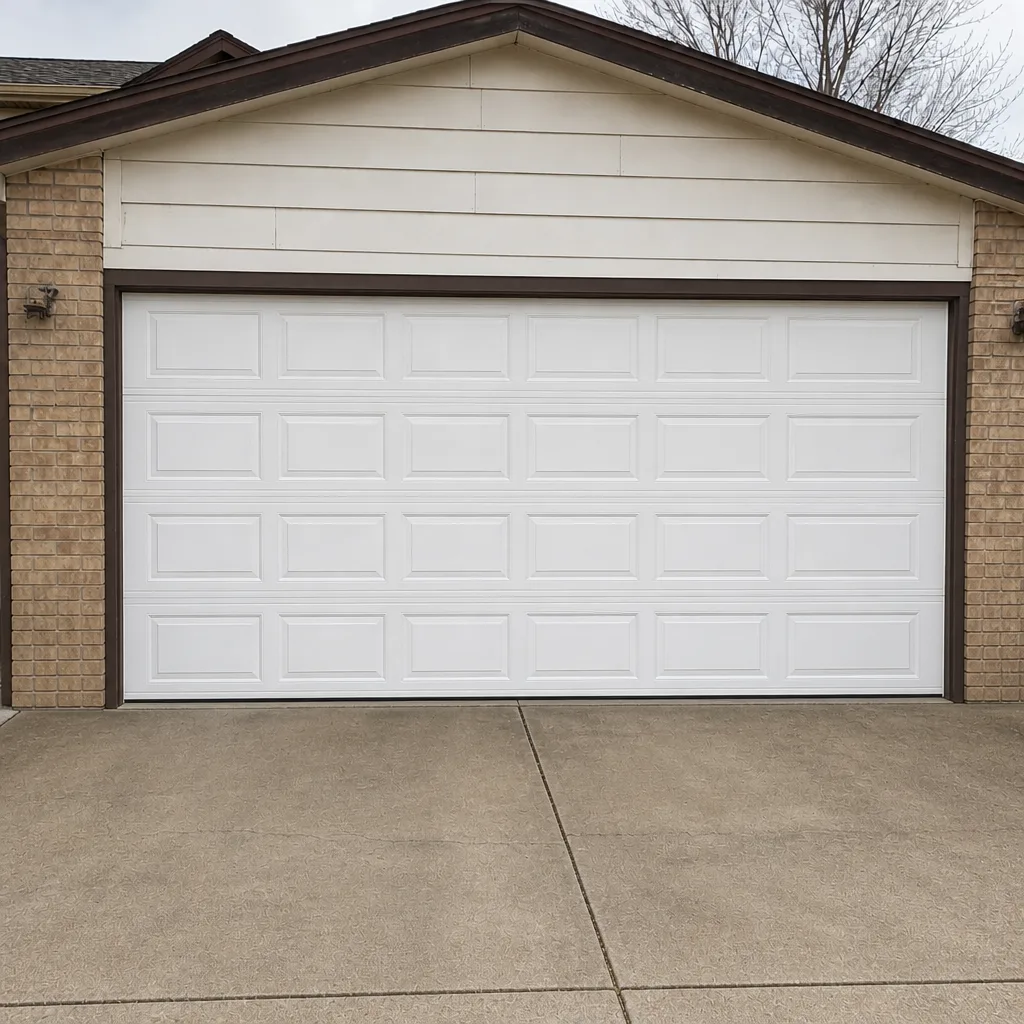 After
Frequently Asked Questions
The fastest test is a brand-specific question. Ask the contractor what brand your door and opener are, and then ask how they would diagnose a specific symptom on that system. A specialist answers immediately because brand familiarity is part of the daily job. We work on LiftMaster, Chamberlain, Genie, Clopay, Amarr, Wayne Dalton, Craftsman and Raynor, and each one has its own service patterns. A generalist will hedge, offer to send someone out to look, or change the subject. Call (877) 542-4141 if you want to test us with your own door’s brand.
Colorado has no statewide general contractor license, and licensing for garage door work in Centennial falls to the city and county level. The exact requirement depends on the job, so the safest step is to call the city’s building department and ask whether a permit or specific license is required for the work you’re considering. Regardless of licensing, ask for a certificate of liability insurance and a workers’ comp certificate before work starts. Those two documents protect you in ways a license number doesn’t.
The cost is mostly labor and the risk of the work, not the spring itself. A torsion spring replacement in Centennial typically runs $180 to $340 for a single spring, and a matched pair on a two-spring door costs roughly twice that. The technician has to safely release the existing tension, remove the old spring, install a properly sized replacement, and rebalance the door. A mismatched spring can cause the door to fail again quickly, so getting the specification right is part of what you’re paying for. Call (877) 542-4141 for a written estimate – the price is quoted and agreed before any work starts.
For a broken spring or a door stuck open or closed, emergency garage door service is a genuine offering for us, not a seasonal extra. Broken springs are one of the few garage door problems that can’t wait, because the door is either stuck down with a car trapped or up with the house exposed. Call (877) 542-4141 and describe the situation. We’ll confirm response time and give you a price range before anyone heads out. Free estimates apply to scheduled work as well.
It shouldn’t. The written estimate is the price, and any change should be discussed and re-quoted in writing before work resumes. There are legitimate reasons a price can change – a door that turns out to need cables along with springs, or a panel that has a hidden crack – but a specialist diagnoses those during the initial assessment, not mid-repair. If a technician on site tells you the price is doubling because of something they couldn’t see, ask for the written revised estimate and take five minutes to think it through. Any company that pressures you to sign immediately is telling you what they think of your options.
A handyman can replace a spring. A specialist replaces the correct spring, sets it to the right IPPT, checks the drum and cable alignment, and rebalances the door so it runs evenly. The difference shows up not on install day but months later, when the door starts dropping unevenly, when the opener starts working harder than it should, or when the spring fails early because it was sized to the door’s nominal weight rather than its actual weight. Springs are the highest-stakes repair on the door, and the cost of getting them right is measured in thirty to forty dollars, not hundreds.
The Bottom Line
Hiring a garage door contractor in Centennial comes down to three checks. First, confirm the company does garage doors as its trade, not as a side line – ask for brands by name and listen for fluency. Second, get the certificate of insurance and confirm what the local building department requires, since Colorado’s statewide contractor licensing rules don’t fully answer that question. Third, insist on a written, itemized estimate with parts and labor separated, and confirm the written estimate is the price before work starts. The rest is cash-worthy signals: a company that says one price on the phone and a different one on site, or hides the warranty holder’s name, has told you what the invoice will look like. One call to (877) 542-4141 gets you a free estimate on your own door, whether you go with us or use ours to compare.
Written by the team at Centennial Garage Door Repair Pros.